🌸 Auricula: Not an Annual
Primula auricula
By the Greg Editorial Team
Oct 16, 2024•4 min read
This article was created with the help of AI so we can cover more plants for you. May contain errors. See one? Report it here.
- 🌼 Auricula is a perennial, thriving for years with proper care and conditions.
- 🌱 Deep roots and rosette leaves help Auricula survive harsh climates and conserve moisture.
- 🌍 Misclassification as annuals often stems from poor care; understanding is key to longevity.
Auricula's Perennial Nature
🌱 Genetic Characteristics
Auricula belongs to the Primula genus, a classification that highlights its unique botanical identity. This plant typically lives for several years, reinforcing its status as a perennial.
Genetic adaptations enable Auricula to thrive in alpine environments. These traits help it withstand harsh conditions, ensuring its survival and growth.
🌿 Physiological Traits Supporting Perennial Growth
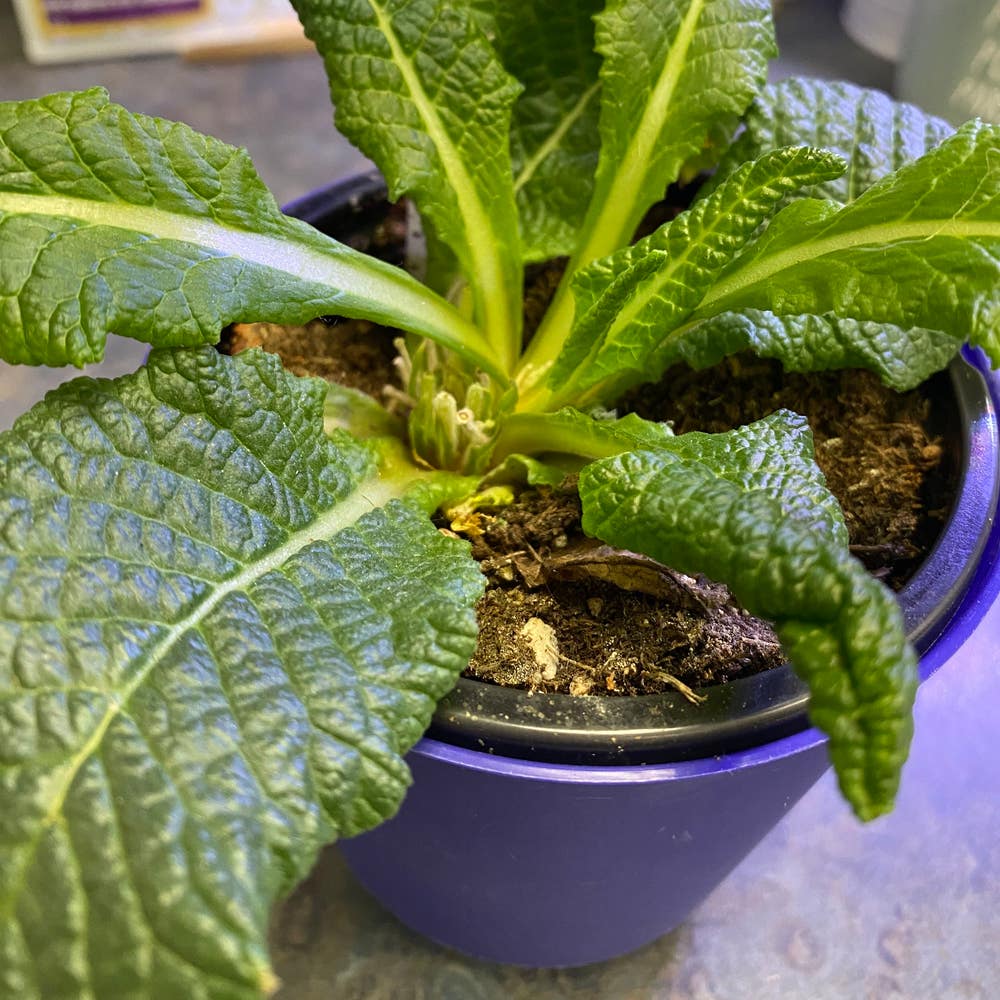
The leaf structure of Auricula is particularly noteworthy. Its rosette-forming leaves are designed to conserve moisture, making it well-suited for various climates.
Additionally, Auricula boasts a deep and extensive root system. This allows for efficient nutrient and water uptake, crucial for its longevity.
❄️ Adaptation to Cooler Climates
Auricula thrives in well-drained soils and cooler temperatures. These conditions are essential for its growth and overall health.
🌼 Lifecycle and Growth Patterns
Auricula's growth cycle begins with emergence in early spring. This is followed by a vibrant display of flowers, captivating any gardener.
During extreme weather conditions, the plant enters periods of dormancy. This adaptive strategy helps it survive challenging climates.
Auricula can live for several years, consistently producing flowers each season. This reliability makes it a favorite among perennial enthusiasts.
As we explore the lifecycle comparison with annuals, we’ll see how Auricula stands out in its flowering and seed production.
Lifecycle Comparison with Annuals
Flowering and Seed Production 🌸
Auricula plants burst into life with vibrant blooms in early spring, showcasing their colorful flowers for several weeks. While they can produce seeds, they primarily propagate through offsets or division, making them a gardener's favorite for easy expansion.
Differences in Lifecycle ⏳
The lifecycle of an Auricula spans multiple years, contrasting sharply with the single-season growth of annuals. Each year, Auriculas reliably produce flowers, unlike annuals, which only bloom once before completing their life cycle.
This perennial nature not only enriches your garden but also offers a sense of continuity and beauty that annuals simply can't match. Understanding these differences can help you appreciate the unique role Auriculas play in your garden design.
As we explore the regional variations and misconceptions surrounding Auriculas, you'll discover how environmental factors can influence their growth and perception.
Regional Variations and Misconceptions
Conditions Leading to Misclassification 🌱
Auricula plants can sometimes be misclassified as annuals due to specific environmental factors. Poor soil drainage or extreme heat can significantly reduce their lifespan, making them appear less perennial.
Mismanagement also plays a crucial role. Overwatering or neglect can lead to premature die-off, causing gardeners to mistakenly believe these plants are short-lived.
Growth Pattern Exceptions 🌼
Not all auriculas bloom at the same time. Some cultivars may surprise you by flowering earlier or later than expected, adding a delightful unpredictability to your garden.
Additionally, local climate conditions can greatly influence growth patterns. Understanding how these factors affect auricula can help dispel the myth of their annual nature, showcasing their true perennial potential.
With this knowledge, you can better appreciate the resilience of auricula and make informed decisions in your gardening journey.
Gardening with Auricula
🌼 Advantages in Garden Design
Auriculas are a stunning addition to any garden, boasting vibrant flowers and unique foliage that can brighten up any space. Their perennial nature means they provide lasting beauty, making them a worthwhile investment for garden enthusiasts.
🌱 Strategies for Maximizing Longevity
To ensure your auriculas thrive, focus on their soil requirements. They prefer well-drained soils with the right pH, which is crucial for their health.
Watering practices are equally important. Avoid overwatering to prevent root rot, which can be detrimental to these delicate plants.
🛠️ Tips for Management
Understanding seasonal care is key. Recognize their dormancy and active growth periods to provide the best care possible.
For garden expansion, utilize propagation methods like offsets and division. This not only increases your plant collection but also enhances your garden's aesthetic.
Lastly, keep an eye on pest and disease management. Regular monitoring helps ensure your auriculas remain healthy and vibrant throughout the seasons.
With these strategies, your auriculas will not only survive but thrive, adding charm and color to your garden for years to come.
⚠️ Safety First
This content is for general information and may contain errors, omissions, or outdated details. It is not medical, veterinary advice, or an endorsement of therapeutic claims.
Always consult a qualified healthcare professional before using any plant as food, medicine, or supplement.
Never eat any plant (or feed one to pets) without confirming its identity with at least two trusted sources.
If you suspect poisoning, call Poison Control (800) 222-1222, the Pet Poison Helpline (800) 213-6680, or your local emergency service immediately.
Spotted an error? Please report it here.
Discover the enduring beauty of Auricula 🌿 and let Greg provide personalized care reminders to help your perennial thrive through every season!