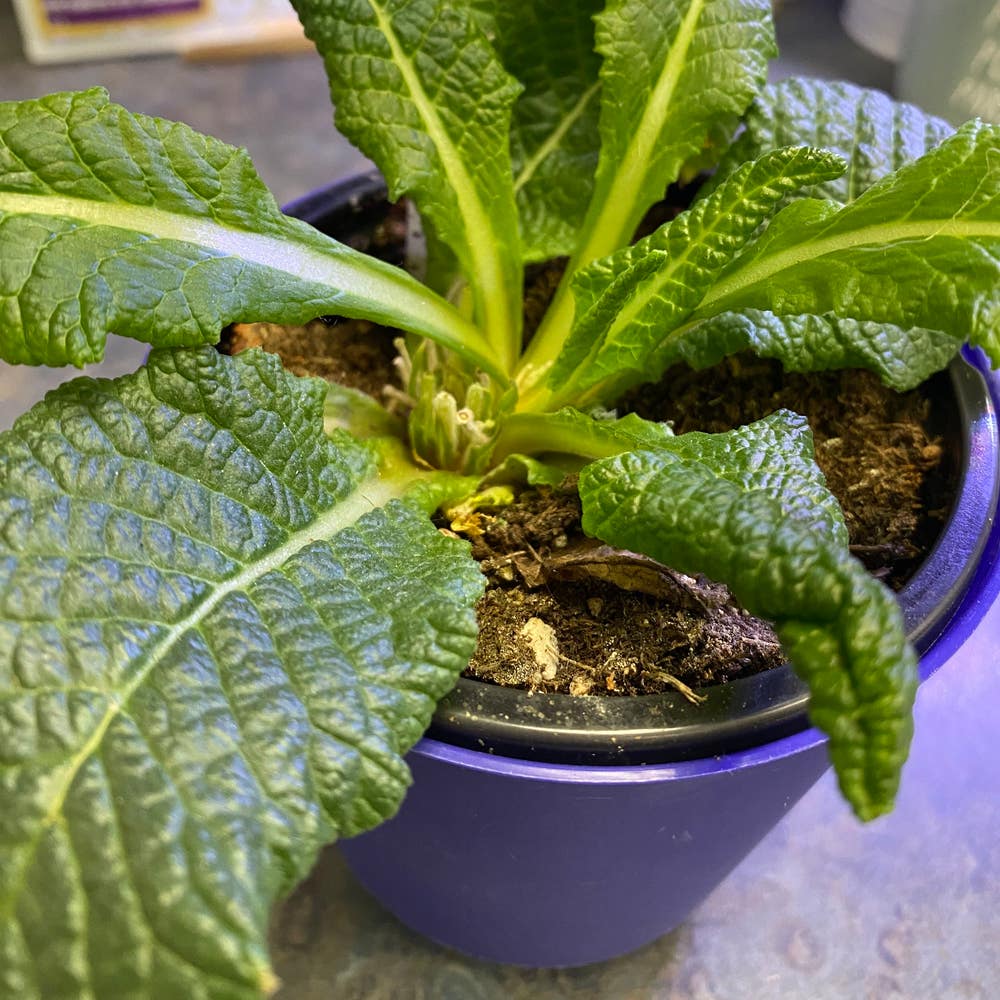
Auricula is Not an Invasive Plant
Primula auricula
By the Greg Editorial Team
Oct 16, 2024•6 min read
This article was created with the help of AI so we can cover more plants for you. May contain errors. See one? Report it here.
- 🌼 Auricula is non-invasive, making it a safe choice for sustainable gardening.
- 🐝 Attracts pollinators like bees and butterflies, enhancing garden biodiversity.
- 🌱 Minimal maintenance required, perfect for gardeners seeking low-effort plants.
Plant Classification
Definition of Invasive Plants 🌱
Invasive plants are notorious for their rapid growth and spread. They often displace native flora, leading to negative impacts on local ecosystems.
Characteristics that Make Auricula Non-Invasive 🌼
Auricula stands out with its low growth habit, typically reaching only 6-12 inches. This makes it an excellent choice for borders and rock gardens without overwhelming the space.
Auricula's self-seeding ability is gentle and manageable, ensuring it doesn't aggressively spread. This characteristic allows it to thrive without disrupting the balance of its surroundings.
Ecologically, Auricula causes minimal disruption to local ecosystems. Its compatibility with surrounding flora fosters a harmonious garden environment.
In summary, Auricula is a non-invasive plant that enhances garden aesthetics while supporting local biodiversity. This makes it a fantastic choice for gardeners looking to cultivate beauty without ecological risks.
As we explore its growth habits next, you'll see how Auricula thrives in various settings.
Growth Habits
Typical Growth Patterns in Gardens 🌼
Auricula plants are known for their charming rosette-shaped leaves and vibrant flowers. They typically reach a height and spread of 6-12 inches, making them perfect for borders and rock gardens.
Natural Limits to Auricula's Growth 🌧️
These plants thrive in well-drained soil and prefer partial shade. Their growth is naturally limited by the climate and soil conditions typical of their native habitat.
Spread Potential and Management ✂️
While Auricula can occasionally self-seed, this tendency is manageable in garden settings. Regular monitoring and selective pruning can help maintain their desired aesthetics, ensuring they remain a delightful addition to your garden.
With their unique growth habits and manageable spread, Auricula plants offer a wonderful opportunity for gardeners to enhance their spaces without the worry of invasiveness. Next, we’ll explore the ecological role of Auricula in supporting local biodiversity.
Ecological Role
Benefits of Auricula in Ecosystems 🌼
Auricula plays a vital role in enhancing biodiversity. Its vibrant flowers attract essential pollinators like bees and butterflies, creating a lively garden atmosphere.
Additionally, Auricula provides habitat for local wildlife. This support fosters a balanced ecosystem, allowing various species to thrive alongside it.
Positive Interactions with Local Wildlife 🐝
In the food web, Auricula is a key player. It offers nectar and pollen, which are crucial for pollinators' survival.
Moreover, it serves as a habitat for beneficial insects. These insects contribute to pest control, further enriching the garden environment.
Contribution to Biodiversity 🌿
Auricula enhances garden ecosystems significantly. By promoting a diverse plant community, it encourages a rich array of life.
This diversity supports soil health and resilience. Healthy soil is foundational for thriving gardens, making Auricula an excellent choice for sustainable gardening practices.
As we explore the benefits of Auricula, it’s clear that this plant not only beautifies our gardens but also nurtures the environment. Next, we'll delve into effective garden management strategies to ensure Auricula thrives in your landscape.
Garden Management
Effective Incorporation into Garden Designs 🌼
Auricula thrives in various garden settings, making it a versatile choice for your landscape. It's perfect for borders, rock gardens, and alpine settings, where its low growth habit can shine.
Colorful cultivars add a vibrant touch, enhancing the ornamental value of your garden. Their unique flower patterns can create eye-catching displays that attract attention.
Aesthetic Considerations for Growth Control ✂️
Managing the growth of Auricula is essential for maintaining its beauty. Regular pruning and deadheading encourage blooming and keep the plants looking tidy.
Consider spacing your Auricula plants appropriately to prevent overcrowding. This ensures each plant has room to flourish without competing for resources.
Maintenance Tips for Healthy Auricula 💧
Proper watering and soil care are crucial for Auricula's health. During dry spells, ensure regular watering while avoiding waterlogging, which can lead to root rot.
Using well-draining soil is vital for preventing issues. Light feeding during the growing season promotes healthy growth, allowing your Auricula to thrive.
By following these management practices, you can enjoy the beauty of Auricula in your garden while ensuring it remains a non-invasive, beneficial addition to your landscape. Next, let’s explore how Auricula contributes to local ecosystems and supports biodiversity.
Comparison to Other Plants
🌱 Similar Non-Invasive Plants
When considering non-invasive perennials, several species complement Auricula beautifully. Plants like Heuchera and Alchemilla mollis thrive in similar environments, offering vibrant foliage and flowers without the risk of aggressive spread.
These plants not only enhance garden aesthetics but also contribute to a balanced ecosystem. Their compatibility with Auricula makes them ideal companions in borders and rock gardens.
🌈 Unique Qualities of Auricula
Auricula stands out with its stunning variety of flower colors and patterns. From soft pastels to vibrant hues, these cultivars add a unique charm to any garden.
Additionally, Auricula requires minimal maintenance compared to many other perennials. This makes it a favorite for gardeners seeking beauty without the burden of constant care.
🌍 Benefits of Choosing Auricula Over Invasive Species
Choosing Auricula supports sustainable gardening practices. Its non-invasive nature ensures that it won't disrupt local ecosystems, allowing you to garden with peace of mind.
Moreover, Auricula enhances garden aesthetics while promoting ecological health. By opting for this delightful plant, you contribute to a thriving environment without the risks associated with invasive species.
Incorporating Auricula into your garden not only beautifies your space but also aligns with responsible gardening practices. As we explore further, let’s delve into the legal and environmental considerations surrounding this charming plant.
Legal and Environmental Considerations
📜 Relevant Classifications and Guidelines
Understanding local regulations is crucial for sustainable gardening. Many regions emphasize the importance of selecting native and non-invasive species to protect local ecosystems.
Choosing non-invasive plants like Auricula not only complies with these guidelines but also promotes biodiversity. This choice helps maintain the balance of local flora and fauna.
🌱 Sustainable Gardening Practices Involving Auricula
Integrating Auricula into your garden can significantly enhance its ecological value. This plant plays a vital role in biodiversity strategies, supporting various pollinators and beneficial insects.
Promoting native flora alongside Auricula creates a harmonious environment. This combination fosters a thriving ecosystem that benefits both plants and wildlife.
🌍 Environmental Impact of Cultivating Auricula
Cultivating Auricula has numerous positive contributions to the environment. It supports local ecosystems without the risks associated with invasive species.
By choosing Auricula, gardeners encourage responsible practices that benefit the environment. This choice not only beautifies gardens but also nurtures the natural world around us.
As we move forward, let’s explore how to effectively incorporate Auricula into garden designs for maximum impact.
⚠️ Safety First
This content is for general information and may contain errors, omissions, or outdated details. It is not medical, veterinary advice, or an endorsement of therapeutic claims.
Always consult a qualified healthcare professional before using any plant as food, medicine, or supplement.
Never eat any plant (or feed one to pets) without confirming its identity with at least two trusted sources.
If you suspect poisoning, call Poison Control (800) 222-1222, the Pet Poison Helpline (800) 213-6680, or your local emergency service immediately.
Spotted an error? Please report it here.
Discover the charm of Auricula, a non-invasive beauty that enriches your garden's ecosystem, and let Greg provide custom care tips 🌱 to help your plants flourish effortlessly!