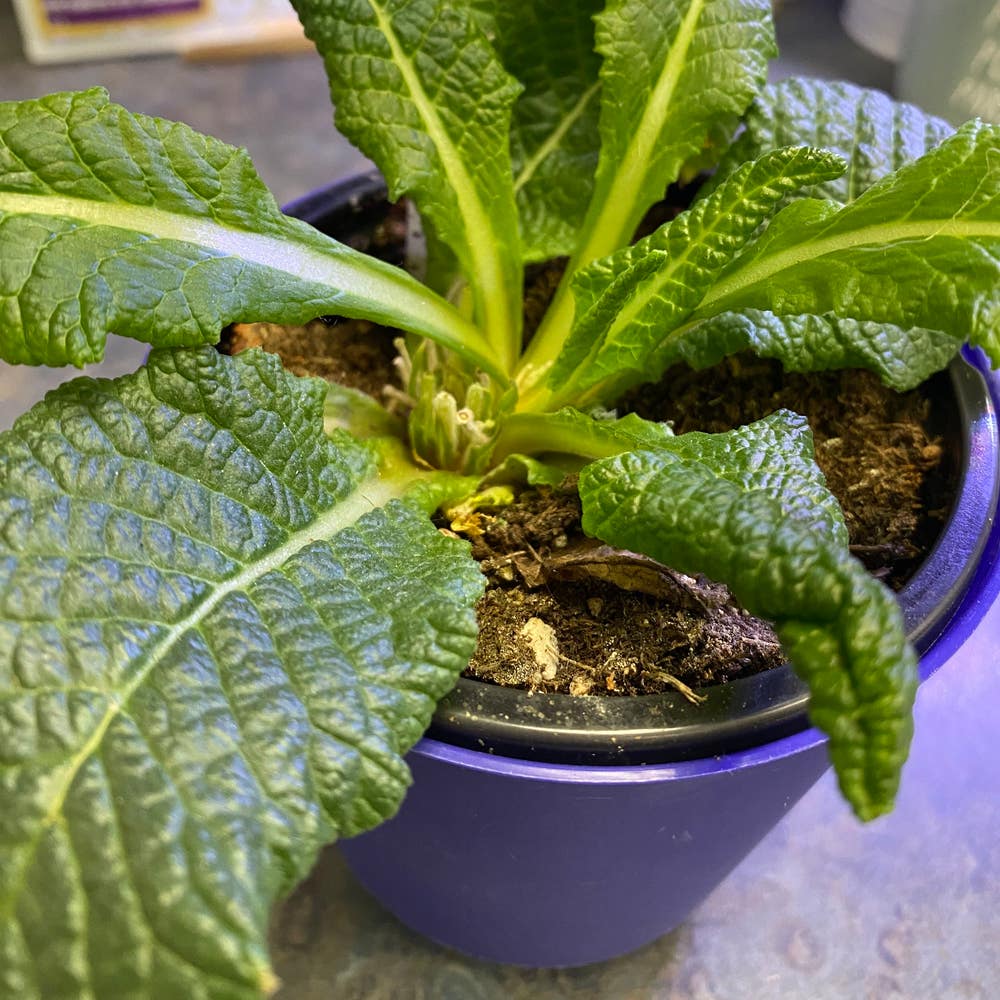
Direct Sunlight and Your Auricula ☀️
Primula auricula
By the Greg Editorial Team
Oct 16, 2024•4 min read
This article was created with the help of AI so we can cover more plants for you. May contain errors. See one? Report it here.
- 🌞 Auricula thrives in partial shade, needing minimal direct sunlight for optimal growth.
- 🌅 Morning sun is tolerable, but dappled light is best for healthy Auricula.
- ❌ Excessive sunlight causes stress, leading to leaf scorch and wilting symptoms.
Auricula and Sunlight Tolerance
🌞 Does Auricula Need Direct Sunlight?
Auricula thrives best in partial shade. While it enjoys bright conditions, it requires minimal direct sunlight to maintain healthy growth.
🌅 Can Auricula Tolerate Direct Sunlight?
Auricula has limited tolerance for direct sunlight. It can handle some morning sun but prefers dappled light or filtered sunlight for optimal health.
🔆 Effects of Too Much Direct Sunlight on Auricula
Excessive direct sunlight can lead to stress symptoms like leaf scorch, wilting, and faded colors. Over time, this can result in reduced flowering and a decline in overall plant health.
Understanding these light requirements is crucial for nurturing your Auricula. With the right conditions, you can ensure your plant flourishes beautifully. Next, let’s explore how window direction impacts sunlight exposure for your Auricula.
Window Direction and Sunlight
🌞 Importance of Window Direction
The direction of your windows plays a crucial role in how much sunlight your Auricula receives. South-facing windows, for instance, bask in the most direct sunlight, which can be overwhelming for this shade-loving plant.
🧭 How Different Directions Affect Sunlight Exposure
- South-facing: These windows offer intense direct sunlight, often requiring some form of protection for your Auricula.
- East-facing: A fantastic option, these windows provide gentle morning sun, ideal for your plant's growth.
- West-facing: Expect strong afternoon sun here, which can be too harsh for Auricula.
- North-facing: Generally bathed in indirect light, these windows are safer for your plant.
🪴 Recommendations for Window Placement for Auricula
For optimal light conditions, aim to place your Auricula near east or north-facing windows. It's best to avoid direct exposure from south or west-facing windows unless you can filter the light effectively.
With the right window placement, your Auricula can thrive, setting the stage for vibrant blooms and lush foliage. Next, let’s explore how geographic considerations impact sunlight intensity for your plant.
Geographic Considerations
Impact of Hemisphere on Sunlight Intensity 🌍
The intensity of sunlight varies significantly between hemispheres. In the Northern Hemisphere, summer brings stronger sunlight, making it essential to consider shading options for your Auricula.
Conversely, the Southern Hemisphere experiences different seasonal light patterns. Adjusting care based on these variations is crucial for maintaining healthy growth.
Seasonal Variations in Sunlight Exposure 🌦️
As seasons change, so do the light conditions for your Auricula. Spring and summer offer longer days with increased sunlight intensity, which can be beneficial but also overwhelming.
In fall and winter, the days shorten, and Auricula may thrive with less light. This adaptability allows the plant to flourish even in less-than-ideal conditions, making it a resilient choice for indoor gardening.
Understanding these geographic and seasonal factors will help you create the best environment for your Auricula. Next, let’s explore common misconceptions about this beautiful plant and its sunlight needs.
Common Misconceptions
🌞 Myths About Auricula and Sunlight
One common myth is that Auricula can thrive in full sun. In reality, these charming plants prefer partial shade to prevent leaf damage and ensure healthy growth.
💡 Clarifying Misunderstandings About Light Needs
Another misconception is that all flowering plants need full sun to flourish. However, Auricula is a shade-loving plant that thrives in cooler, less intense light, making it unique among its flowering counterparts.
Understanding these truths can help you create the perfect environment for your Auricula, ensuring vibrant blooms and healthy foliage. As we explore practical tips for plant parents, you'll discover how to optimize light conditions for your beloved Auricula.
Practical Tips for Plant Parents
🌞 Signs of Too Much or Too Little Sunlight for Auricula
Understanding your Auricula's needs is crucial for its health. If it receives too much sunlight, you might notice leaf scorch, browning edges, and wilting.
On the flip side, too little sunlight can lead to stunted growth, fewer flowers, and a leggy appearance. Keep an eye out for these signs to ensure your plant thrives.
🌤️ Adjusting Light Conditions for Optimal Growth
If your Auricula is getting too much sun, consider using sheer curtains to diffuse the light. Alternatively, moving it to a shadier spot can provide immediate relief.
For those struggling with insufficient light, rotating the plant can help it receive more balanced exposure. You might also want to invest in grow lights to simulate the ideal conditions.
🏡 Best Practices for Positioning Auricula in the Home
Position your Auricula near windows that offer filtered light or in areas with bright, indirect light. This setup will help mimic its natural habitat and promote healthy growth.
Avoid placing it in direct sunlight, especially during peak hours. Protecting your plant from harsh rays will ensure it remains vibrant and flourishing.
With these tips, you can create an environment where your Auricula can truly thrive. Next, let’s explore how geographic considerations impact sunlight exposure for your plant.
⚠️ Safety First
This content is for general information and may contain errors, omissions, or outdated details. It is not medical, veterinary advice, or an endorsement of therapeutic claims.
Always consult a qualified healthcare professional before using any plant as food, medicine, or supplement.
Never eat any plant (or feed one to pets) without confirming its identity with at least two trusted sources.
If you suspect poisoning, call Poison Control (800) 222-1222, the Pet Poison Helpline (800) 213-6680, or your local emergency service immediately.
Spotted an error? Please report it here.
Keep your Auricula healthy and blooming beautifully 🌼 by using Greg's tailored light reminders to ensure it gets the perfect amount of filtered sunlight!