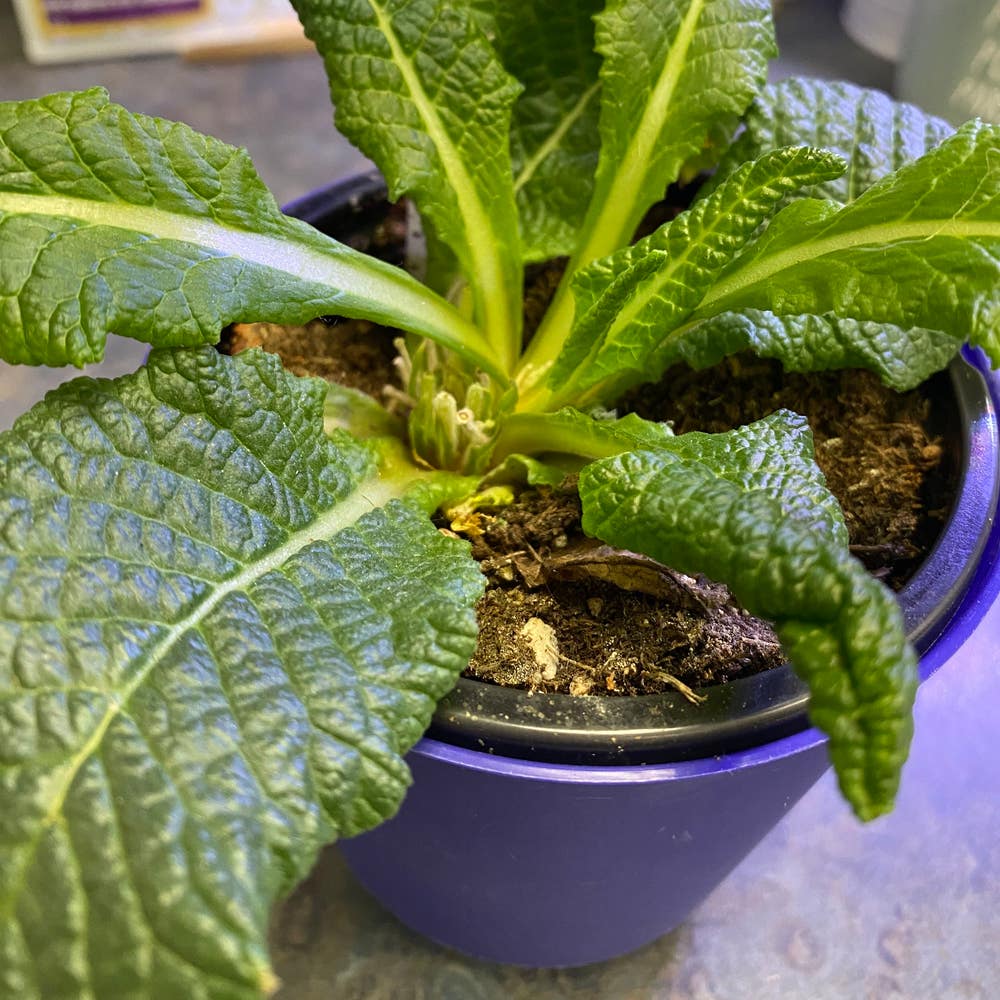
🌸 3 Secrets to Thriving Indoor Auricula
Primula auricula
By the Greg Editorial Team
Oct 16, 2024•5 min read
This article was created with the help of AI so we can cover more plants for you. May contain errors. See one? Report it here.
- 🌞 Bright, indirect sunlight for 6-8 hours daily is crucial for auricula health.
- 💧 Humidity levels of 40%-60% prevent leaf curl and browning edges.
- 🌡️ Maintain temperatures between 15°C-20°C to avoid stress and promote thriving growth.
Light Requirements
Indoor Light Levels 🌞
For your indoor auricula, the ideal light exposure is bright, indirect sunlight for about 6-8 hours daily. Direct sunlight can scorch the leaves, so it's best to keep them in a well-lit spot that avoids harsh rays.
Role of Grow Lights 💡
When natural light falls short, grow lights can step in to meet your plant's needs. LED and fluorescent lights are excellent choices, providing the right spectrum without overheating your precious plants.
Choosing the Best Grow Light 🛠️
Opt for full-spectrum lights that mimic natural sunlight to ensure your auricula thrives. Aim for a wattage between 20-40 watts for small to medium-sized plants, and place the light 12-18 inches above the plant for optimal growth.
With the right light conditions, your indoor auricula can flourish beautifully. Next, let’s explore how to maintain the perfect temperature for your plants.
Temperature Control
Temperature Preferences 🌡️
For your indoor auricula, the ideal temperature range is between 15°C to 20°C (59°F to 68°F). Keeping temperatures below 24°C (75°F) is crucial to prevent stress and ensure healthy growth.
Seasonal Adjustments ❄️
In winter, aim for cooler temperatures to mimic the plant's natural dormancy period. During summer, ensure adequate ventilation to prevent overheating, which can be detrimental to your auricula's health.
By maintaining the right temperature, you set the stage for your plant to thrive. Next, let’s explore how to control humidity for optimal growth.
Humidity Control
Ideal Levels 🌬️
Maintaining the right humidity is crucial for your indoor auricula. Aim for a humidity level between 40% and 60% to promote optimal growth.
Signs of inadequate humidity include leaf curl and browning edges. If you notice these symptoms, it’s time to take action.
Methods for Control 💧
There are several effective methods to control humidity levels in your home. Using a humidifier is one of the easiest ways to maintain consistent moisture in the air.
Alternatively, you can place pebble trays filled with water beneath your plants. This method allows for gradual evaporation, helping to increase humidity around your auricula.
Regular misting is another option. Lightly mist the leaves, but be careful to avoid water accumulation in the rosette, as this can lead to rot.
By implementing these strategies, you can create a comfortable environment for your auricula to thrive.
With humidity under control, let’s explore how to properly water your plants for continued health and vitality.
Watering Needs
How to Determine When to Water 🌊
To keep your indoor auricula thriving, checking soil moisture is key. Simply stick your finger 1-2 inches into the soil; if it feels dry, it's time to water.
Best Practices 💧
Aim to water your auricula every 1-2 weeks, adjusting based on humidity and temperature. Always water at the base to prevent wetting the leaves, which can lead to issues.
Signs of Overwatering and Underwatering ⚠️
Watch for yellowing leaves, mushy roots, and mold growth—these are signs of overwatering. Conversely, if you notice wilting leaves and dry soil, your plant is likely underwatered.
Understanding these watering needs will help you maintain a healthy auricula. Next, let’s explore common issues and solutions to keep your plant in top shape.
Common Issues and Solutions
🐛 Identifying Pests and Prevention
Indoor auriculas can attract pests like aphids, spider mites, and mealybugs. Regular inspections are crucial; keep an eye out for any unusual spots or webbing on your plants.
Maintaining plant health is your best defense. Healthy plants are less susceptible to infestations, so ensure they receive proper light, water, and nutrients.
🦠 Common Diseases
Root rot is a significant concern, often caused by overwatering. To prevent this, ensure your pots have proper drainage and avoid letting your plants sit in water.
Another common issue is powdery mildew, a fungal disease that thrives in stagnant air. Improve air circulation around your plants to keep this problem at bay.
🍂 Solutions for Yellowing Leaves and Wilting
If you notice yellowing leaves, it’s time to investigate. This can indicate overwatering or nutrient deficiencies, so check your watering habits and consider a balanced fertilizer.
Wilting leaves often signal underwatering or low humidity. Assess your watering practices and humidity levels to ensure your auricula is thriving.
By staying vigilant and addressing these common issues, you can keep your indoor auricula healthy and vibrant. Next, let’s explore the best practices for placement and maintenance to further enhance your plant's growth.
Placement and Maintenance
Best Locations 🌅
Finding the right spot for your indoor auricula is crucial. Aim for east or west-facing windows where they can bask in filtered light for optimal growth.
Avoid placing them near drafts or heat sources like radiators, as these can stress the plants and hinder their development.
Tips for Maintaining Appearance ✂️
To keep your auricula looking its best, regularly remove dead leaves and spent flowers. This not only enhances appearance but also promotes healthier growth.
Rotating the plant every few weeks ensures even exposure to light, helping it grow symmetrically and robustly.
Seasonal Care Adjustments 🍂
As the seasons change, so should your care routine. Adjust watering and humidity levels to match the conditions—more moisture in winter and less in summer.
Keep an eye on light exposure as days lengthen or shorten, ensuring your auricula gets the right amount of light year-round.
With proper placement and maintenance, your indoor auricula will thrive beautifully. Next, let’s explore their watering needs to keep them hydrated and healthy.
⚠️ Safety First
This content is for general information and may contain errors, omissions, or outdated details. It is not medical, veterinary advice, or an endorsement of therapeutic claims.
Always consult a qualified healthcare professional before using any plant as food, medicine, or supplement.
Never eat any plant (or feed one to pets) without confirming its identity with at least two trusted sources.
If you suspect poisoning, call Poison Control (800) 222-1222, the Pet Poison Helpline (800) 213-6680, or your local emergency service immediately.
Spotted an error? Please report it here.
Create a thriving auricula oasis 🌱 by using Greg's tailored reminders and humidity tracking to keep your plant flourishing effortlessly!