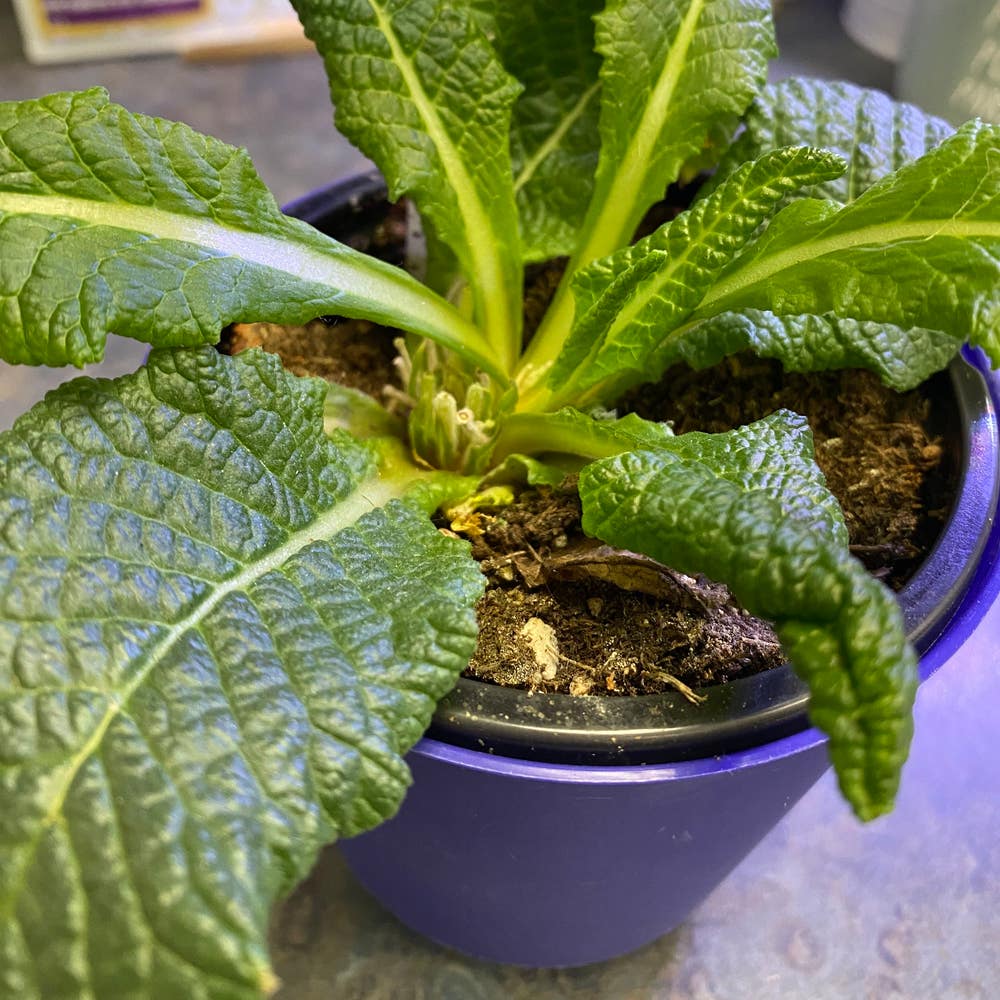
🌸 3 Outdoor Care Hacks for Auricula
Primula auricula
By the Greg Editorial Team
Oct 16, 2024•6 min read
This article was created with the help of AI so we can cover more plants for you. May contain errors. See one? Report it here.
- ☀️ Auriculas need 4-6 hours of sunlight for optimal growth; watch for leggy growth.
- 💧 Water every 1-2 weeks; yellow leaves mean overwatering, while wilting indicates underwatering.
- 🌱 Use well-draining, organic-rich soil and apply balanced fertilizer for healthy Auriculas.
Sunlight Needs
Ideal Sunlight Exposure 🌞
Auriculas thrive best in partial shade to full sun, ideally receiving 4-6 hours of sunlight daily. However, be cautious; too much direct sunlight can scorch their leaves, particularly in warmer climates.
Signs of Inadequate Sunlight 🚨
If you notice stretched or leggy growth, your plant is likely reaching for more light. Additionally, faded flower colors can signal that your auricula isn’t getting enough sunlight, leading to a lack of vibrancy.
Understanding these sunlight needs is crucial for healthy auricula growth. By ensuring they receive the right amount of light, you set the stage for vibrant blooms and lush foliage.
Next, let’s delve into the watering requirements that will keep your auriculas thriving.
Watering Requirements
💧 Optimal Watering Practices
To keep your Auricula thriving, maintain consistently moist soil without letting it become waterlogged. Typically, watering every 1-2 weeks works well, but adjust based on rainfall and temperature.
🚰 Signs of Overwatering and Underwatering
Watch for yellowing leaves, which often signal overwatering and potential root rot. Conversely, if you notice wilting leaves and dry soil, your plant is likely underwatered and needs immediate attention.
By mastering these watering techniques, you'll set your Auricula up for success, ensuring vibrant growth and beautiful blooms. Next, let’s explore the ideal soil preferences for these charming plants.
Soil Preferences
Ideal Soil Composition 🌱
Auriculas thrive in well-draining soil that is rich in organic matter, such as compost. Aim for a soil pH that is slightly acidic to neutral, ideally between 6.0 and 7.0, to promote healthy growth.
Soil Preparation Tips 🛠️
To enhance drainage and nutrient content, consider amending your soil with peat moss or leaf mold. These additions not only improve soil structure but also create a more hospitable environment for your plants.
By ensuring your auriculas have the right soil conditions, you set the stage for vibrant blooms and robust growth. Next, let’s explore the best fertilization practices to keep your plants nourished and thriving.
Fertilization Tips
Fertilization Schedule 🌱
To keep your Auricula thriving, start with a balanced, slow-release fertilizer in early spring. Reapply every 4-6 weeks during the growing season to ensure consistent nourishment.
Nutrient Requirements 🌿
Focus on nitrogen to promote lush leaf growth and phosphorus to enhance flowering. These nutrients are essential for a vibrant, healthy plant that can withstand outdoor conditions.
By following these fertilization tips, you’ll set your Auricula up for success. Next, let’s explore the best planting options to maximize its growth potential.
Planting Options
🌱 Benefits of Container Planting
Container planting offers remarkable mobility. You can easily shift pots to find the perfect light or shelter for your auricula.
Additionally, containers provide a controlled environment. This means better drainage and soil management, which can be crucial for healthy growth.
⚖️ Drawbacks of Container Planting
However, container planting has its downsides. Limited root space can lead to the need for more frequent watering and fertilization.
Moreover, containers are temperature sensitive. They can heat up quickly in summer, potentially stressing your plants.
🌍 Benefits of Ground Planting
On the other hand, ground planting allows for natural growth conditions. This leads to more stable moisture and temperature levels, benefiting your auricula.
Ground planting also supports larger root systems. This enhances nutrient uptake, promoting overall plant health.
🐛 Drawbacks of Ground Planting
Yet, ground planting isn't without challenges. You have less control over soil quality and drainage, which can affect growth.
Additionally, plants in the ground are more vulnerable to outdoor pests and diseases. Regular monitoring is essential to keep them healthy.
In summary, both planting options have their unique advantages and challenges. Choosing the right one depends on your gardening style and the specific needs of your auricula. Next, let's explore effective weather protection strategies to keep your plants thriving in any season.
Weather Protection
🌩️ Strategies for Protecting from Extreme Weather
Extreme weather can be tough on your Auricula, but a few simple strategies can make a big difference. During heatwaves, using shade cloth is essential to prevent leaf scorch and keep your plants thriving.
Mulching around the base of your plants helps retain moisture and regulate soil temperature. This not only protects the roots but also creates a more stable environment for growth.
🍂 Seasonal Changes and Their Impact
As seasons change, so do your plants' needs. It's crucial to monitor temperature fluctuations and adjust your watering schedule accordingly to ensure your Auricula stays hydrated.
When frost threatens, be proactive. Cover your plants with frost cloth or bring containers indoors to shield them from the cold. This small effort can save your plants from significant damage.
By implementing these weather protection strategies, you can help your Auricula flourish through various conditions. Next, let’s dive into effective pest and disease management to keep your plants healthy and vibrant.
Pest and Disease Management
🐜 Common Outdoor Pests
Aphids are a common nuisance for Auricula plants. Look for curled leaves and sticky residue, which are telltale signs of these tiny pests.
Slugs and snails can also wreak havoc, leaving irregular holes in the leaves. Their presence can quickly diminish the beauty of your plants.
🛡️ Preventative Measures Against Pests
Regular inspections are key to keeping pests at bay. Make it a habit to check your plants for any signs of infestation.
Using organic deterrents like neem oil or diatomaceous earth can be highly effective. These solutions are not only safe for your plants but also friendly to the environment.
🦠 Common Diseases and Their Solutions
Powdery mildew is a common issue, characterized by white powdery spots on leaves. To combat this, improve air circulation around your plants and apply fungicides if necessary.
Root rot is another concern, often caused by overwatering. Prevent this by ensuring proper drainage in your pots or garden beds.
By staying vigilant and proactive, you can keep your Auricula healthy and thriving. Next, let’s explore how to provide seasonal care for your plants.
Seasonal Care
Spring Care 🌸
Spring is the perfect time to rejuvenate your Auricula. Start by cleaning up any debris and dead leaves, as this helps prevent disease.
As temperatures rise, it's time to begin fertilization and watering. A little attention now sets the stage for vibrant growth.
Summer Care ☀️
During the summer months, keep a close eye on your plants for any signs of pests. Water more frequently, especially during dry spells, to keep your Auricula thriving.
Providing shade during extreme heat is crucial. This simple step can protect your plants from scorching.
Fall Care 🍂
As temperatures begin to drop, it's wise to reduce your watering routine. Your Auricula will need less moisture as they prepare for dormancy.
Prepare for winter by mulching around the base of your plants. This helps protect their roots from frost damage.
Winter Care ❄️
In winter, ensure adequate drainage to prevent root rot. Standing water can be detrimental during the colder months.
Cover your plants with frost cloth or bring containers indoors during severe cold. This extra layer of protection can make all the difference in keeping your Auricula healthy.
With these seasonal care tips, your Auricula will flourish throughout the year. Next, let’s explore pest and disease management to keep your plants in top shape.
⚠️ Safety First
This content is for general information and may contain errors, omissions, or outdated details. It is not medical, veterinary advice, or an endorsement of therapeutic claims.
Always consult a qualified healthcare professional before using any plant as food, medicine, or supplement.
Never eat any plant (or feed one to pets) without confirming its identity with at least two trusted sources.
If you suspect poisoning, call Poison Control (800) 222-1222, the Pet Poison Helpline (800) 213-6680, or your local emergency service immediately.
Spotted an error? Please report it here.
Keep your Auriculas thriving 🌼 with Greg's tailored watering reminders and soil tips, ensuring they get the perfect care they need to flourish in your garden!