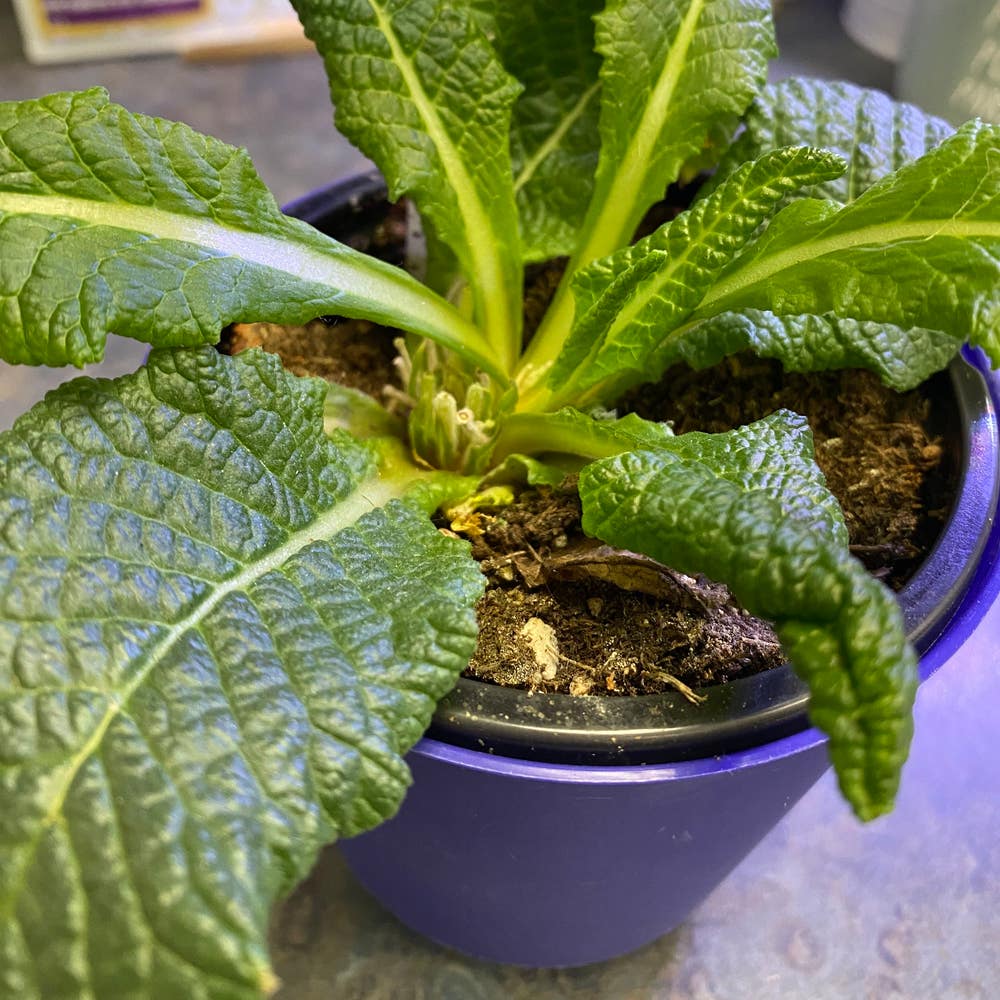
📏 How Big Your Auricula Can Get
Primula auricula
By the Greg Editorial Team
Oct 16, 2024•5 min read
This article was created with the help of AI so we can cover more plants for you. May contain errors. See one? Report it here.
- 🌱 Auriculas grow 6-12 inches tall and spread 12-18 inches in ideal conditions.
- 🌼 Dwarf varieties stay under 6 inches, perfect for small spaces and containers.
- 🌞 Optimal soil, light, and water are crucial for maximizing auricula size and health.
Mature Height and Spread
Typical Dimensions 🌱
Auriculas typically reach a mature height of 6 to 12 inches. Their spread usually ranges from 12 to 18 inches, making them a compact yet visually appealing addition to any garden.
Factors Influencing Size 📏
The size of your auricula can vary significantly based on its variety.
- Dwarf varieties generally stay under 6 inches, perfect for smaller spaces.
- In contrast, giant varieties can exceed 12 inches, adding a bold statement to your garden.
Environmental conditions also play a crucial role. Providing optimal conditions—like the right soil, light, and water—can unlock the plant's maximum growth potential.
Understanding these dimensions and factors will help you choose the right auricula for your space and ensure it thrives beautifully.
Growth Rate
🧠 Understanding Growth Rate
The growth rate of your auricula can vary widely based on environmental factors. When provided with optimal conditions—like the right soil, adequate light, and sufficient water—you'll see faster growth.
⏳ Time to Reach Full Size
On average, auriculas take about 1 to 3 years to reach their mature dimensions. However, several factors can influence this timeline, including soil quality and nutrient availability.
📈 Factors Affecting Growth Rate
- Soil Quality: Rich, well-drained soil promotes robust growth, while poor soil can stunt development.
- Watering Practices: Consistent watering is crucial; irregular moisture can hinder growth.
Understanding these elements can help you create the perfect environment for your auricula, ensuring they thrive and reach their full potential. Next, we’ll explore how size can vary among different cultivars.
Size Variability
Comparison of Common Cultivars 🌱
When it comes to auriculas, size can vary dramatically depending on the cultivar. Notable dwarf varieties typically reach heights of 4 to 6 inches, making them perfect for smaller spaces or container gardening.
On the other hand, giant varieties can soar above 12 inches, showcasing impressive blooms that demand attention. These giants often have broader leaves and a more robust structure, making them a striking addition to any garden.
General Trends in Size Variability Among Cultivars 📏
In general, size variability among auricula cultivars is influenced by breeding choices and environmental conditions. Dwarf varieties are often bred for compactness, while giant varieties are selected for their impressive stature and visual impact.
Understanding these trends can help you choose the right auricula for your garden, whether you prefer the subtle charm of a dwarf or the bold presence of a giant. This knowledge not only enhances your gardening experience but also allows you to create a visually balanced landscape.
As you explore the fascinating world of auriculas, consider how these size differences can complement your garden design. Next, we’ll delve into the growing conditions that impact size, ensuring your plants reach their full potential.
Growing Conditions Impacting Size
🌱 Effects of Soil Quality on Size
Soil quality plays a crucial role in the growth of your auricula. Well-drained soil allows roots to breathe, promoting healthy growth, while compacted soil can stunt development.
Nutrient-rich soil is essential for larger plants. It provides the necessary elements for robust growth, ensuring your auricula reaches its full potential.
☀️ Influence of Sunlight Exposure on Growth
Sunlight exposure significantly affects the height and spread of your auricula. Full sun typically leads to more vigorous growth compared to partial shade.
For maximum growth, aim for optimal sunlight exposure. This ensures your plants thrive and achieve their desired dimensions.
💧 Watering Practices and Their Effect on Dimensions
Watering practices can make or break your auricula's size. Consistent moisture is vital, but overwatering can lead to root rot and stunted growth.
To promote optimal growth, establish a recommended watering frequency. This balance helps maintain healthy plants and encourages larger sizes.
🌡️ Temperature and Climate Considerations
Temperature is another key factor in auricula growth. Ideally, they thrive in moderate temperatures, which support healthy development.
Extreme temperatures can adversely affect size and overall health. Protecting your plants from harsh conditions ensures they grow strong and vibrant.
Understanding these growing conditions can help you cultivate auricula that not only survive but flourish. Next, we’ll explore how to control their size effectively.
Controlling Size
✂️ Pruning Techniques for Size Management
Pruning is a powerful tool for controlling the size of your auricula. By trimming back excess growth, you can encourage a bushier, more compact plant.
Regular pruning not only helps manage dimensions but also promotes healthier growth. This technique allows for better air circulation and sunlight penetration, leading to a more vibrant plant.
📦 Other Methods to Control Growth
Using containers is another effective strategy to limit root growth and overall size. This method restricts the space available for roots, resulting in a more manageable plant.
Fertilization strategies also play a crucial role in growth management. By adjusting nutrient levels, you can influence the rate at which your auricula grows, keeping it within desired dimensions.
⏰ Timing and Frequency of Pruning
The best time to prune your auricula is early spring or right after flowering. This timing ensures that you’re not disrupting the plant’s natural growth cycle.
For maintaining your desired size, regular pruning every few months is recommended. This consistent approach helps keep your auricula looking its best while preventing it from becoming overgrown.
With these techniques, you can effectively control the size of your auricula, ensuring it thrives in your garden. Next, let’s explore how growing conditions impact the size of your plants.
⚠️ Safety First
This content is for general information and may contain errors, omissions, or outdated details. It is not medical, veterinary advice, or an endorsement of therapeutic claims.
Always consult a qualified healthcare professional before using any plant as food, medicine, or supplement.
Never eat any plant (or feed one to pets) without confirming its identity with at least two trusted sources.
If you suspect poisoning, call Poison Control (800) 222-1222, the Pet Poison Helpline (800) 213-6680, or your local emergency service immediately.
Spotted an error? Please report it here.
Unlock the full potential of your auricula 🌼 with Greg's tailored care reminders, ensuring they grow beautifully in your garden!