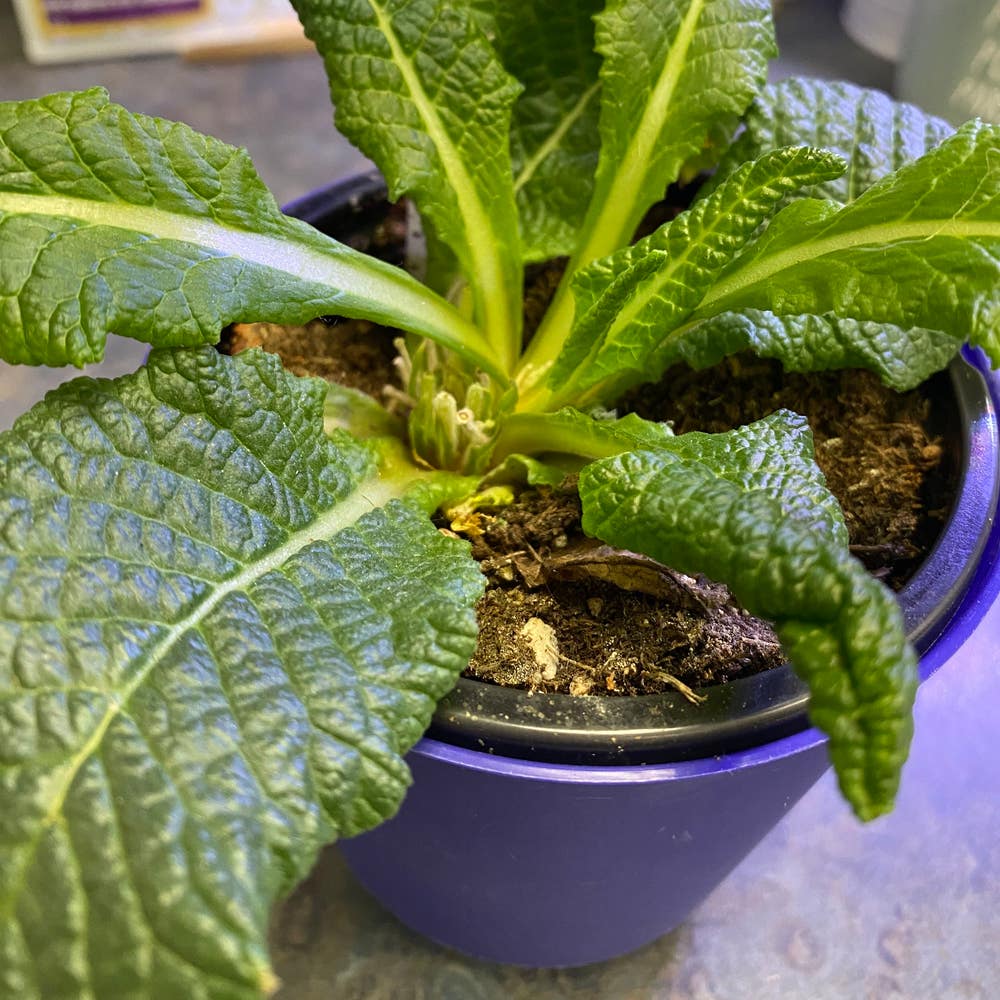
🌸 How to Cure Leaves Falling Over on Your Auricula
Primula auricula
By the Greg Editorial Team
Oct 16, 2024•5 min read
This article was created with the help of AI so we can cover more plants for you. May contain errors. See one? Report it here.
- 💧 Overwatering and underwatering are key causes of drooping Auricula leaves. Balance is essential!
- 🌱 Nutrient deficiencies weaken leaves; ensure adequate nitrogen and potassium for healthy growth.
- 🌞 Optimal conditions include partial shade and good drainage to prevent leaf issues.
Causes of Leaves Falling Over
💧 Overwatering
Overwatering is a common culprit behind leaves falling over on your Auricula. Excess moisture can lead to root rot, compromising root health and causing leaves to become weak and floppy.
🚰 Underwatering
On the flip side, underwatering can also wreak havoc. Drought stress results in a lack of rigidity, making leaves droop and lose their vibrant appearance.
🛠️ Poor Drainage
Compacted soil can severely affect moisture retention. When drainage is poor, roots may suffocate, leading to unhealthy plants and drooping leaves.
🥦 Nutrient Deficiencies
Essential nutrients play a crucial role in maintaining leaf strength. A lack of key elements, such as nitrogen or potassium, can weaken leaves, causing them to fall over.
Understanding these causes is vital for diagnosing and treating your Auricula effectively. Next, let’s explore how to diagnose the problem accurately.
Diagnosing the Problem
Assessing Environmental Factors 🌤️
To keep your Auricula thriving, start by evaluating its light conditions. Ideally, these plants prefer partial shade, as too much direct sunlight can lead to leaf scorch.
Next, consider the temperature preferences of your Auricula. They flourish best in a range of 10°C to 20°C (50°F to 68°F), so ensure they’re in a suitable environment.
Finally, pay attention to soil requirements. Auriculas thrive in well-draining, alkaline soil, which is crucial for preventing root issues.
Identifying Pests and Diseases 🐛
Pests can wreak havoc on your Auricula. Watch out for aphids, which can cause curling leaves and stunted growth.
Slugs and snails are another concern; they leave noticeable damage patterns, often creating holes in the leaves.
On the disease front, powdery mildew is a common issue. This fungal infection appears as a white powdery substance and can severely affect leaf health if not addressed.
Root rot is another serious problem, often stemming from overwatering. Look for yellowing leaves and a mushy root system as key symptoms.
By diagnosing these environmental factors and potential pests or diseases, you can take the necessary steps to restore your Auricula's health. Next, let’s explore effective treatment solutions to tackle these issues head-on.
Treatment Solutions
Watering Adjustments 💧
Determining the right watering frequency is crucial for your Auricula's health. Check the top inch of the soil; if it feels dry, it’s time to water.
To avoid waterlogging, use a watering can with a narrow spout. This allows for controlled watering, ensuring that moisture reaches the roots without saturating the soil.
Soil Amendments 🌱
Improving soil drainage is essential for preventing leaf issues. Consider adding perlite or sand to your potting mix to enhance aeration and drainage.
For nutrient enrichment, opt for balanced fertilizers. These will support leaf health and promote robust growth, giving your Auricula the strength it needs.
Pest Control Methods 🐛
Organic pest control options are effective and safe for your plants. Neem oil and insecticidal soap can help manage common pests without harming the environment.
Physical barriers like copper tape can deter slugs and snails. Traps also work well to keep these pests at bay, ensuring your Auricula remains healthy.
Disease Management Strategies ⚠️
For powdery mildew, fungicidal options are available, but cultural practices can also help. Ensure good air circulation and avoid overhead watering to minimize the risk.
Addressing root rot requires immediate action. Improve drainage by repotting in fresh soil and adjusting your watering habits to promote root health.
With these treatment solutions, your Auricula can thrive again. Next, let’s explore preventive measures to keep your plant healthy in the long run.
Preventive Measures
Ideal Growing Conditions 🌱
Creating the right environment for your Auricula is crucial. Ensure they receive partial shade, as too much direct sunlight can lead to leaf scorch.
For soil, opt for a well-draining, alkaline mix. A combination of potting soil, perlite, and a touch of lime can work wonders for optimal growth.
Seasonal Care Tips 🌸
In spring, focus on fertilization and repotting. Use a balanced fertilizer to give your Auricula a nutrient boost as it wakes up from dormancy.
During winter, protect your plants from frost and extreme temperatures. Consider moving them indoors or using protective covers to shield them from harsh conditions.
Regular Maintenance Practices 🔧
Pruning is essential for maintaining plant health. Regularly remove dead or damaged leaves to encourage new growth and improve air circulation.
Monitoring moisture levels is equally important. Invest in a moisture meter to ensure your Auricula is neither overwatered nor underwatered, keeping them thriving year-round.
Transitioning into ongoing care routines will further enhance your plant's resilience and beauty.
Monitoring and Maintenance
Signs of Recovery 🌱
When your Auricula starts to bounce back, look for signs like increased leaf firmness and vibrant color. These indicators show that your plant is regaining health and vitality.
The timeline for recovery can vary, but you should expect to see visible improvements within a few weeks. Consistent care during this period is crucial for a successful comeback.
Ongoing Care Routines 🗓️
Establishing a regular watering schedule is essential. Adjust your watering frequency based on seasonal changes to keep your Auricula thriving.
During the growing season, aim to fertilize monthly. This will provide the necessary nutrients to support robust leaf development.
When to Seek Professional Help 🆘
If your Auricula continues to struggle despite your best efforts, it may be time to seek professional intervention. Persistent leaf issues can indicate deeper problems that require expert attention.
To find local plant care experts or services, consider checking gardening forums or community groups. They can connect you with knowledgeable professionals who can help restore your plant's health.
⚠️ Safety First
This content is for general information and may contain errors, omissions, or outdated details. It is not medical, veterinary advice, or an endorsement of therapeutic claims.
Always consult a qualified healthcare professional before using any plant as food, medicine, or supplement.
Never eat any plant (or feed one to pets) without confirming its identity with at least two trusted sources.
If you suspect poisoning, call Poison Control (800) 222-1222, the Pet Poison Helpline (800) 213-6680, or your local emergency service immediately.
Spotted an error? Please report it here.
Keep your Auriculas perky and vibrant 🌿 by using Greg's tailored watering reminders and expert community tips to ensure they thrive all year round!