The Meaning of Auricula Flowers 🌸
Primula auricula
By the Greg Editorial Team
Oct 16, 2024•5 min read
This article was created with the help of AI so we can cover more plants for you. May contain errors. See one? Report it here.
- 🌼 Auricula flowers bloom in vibrant colors, thriving in gardens with proper care.
- 🌱 They require 6-8 hours of indirect sunlight and moist soil for optimal growth.
- 🌿 Auricula can self-pollinate, but cross-pollination boosts diversity and seed production.
Flowering Status
Clarification on Flower Production 🌼
Auricula flowers are a stunning sight, showcasing vibrant shades of yellow, purple, and white. These colors bring life to gardens, making them a favorite among flower enthusiasts.
Typically, the plant blooms in spring, with a flowering period that lasts several weeks. This seasonal display is not just beautiful; it signals the arrival of warmer weather and the renewal of life in the garden.
The blooming process is a delightful experience, as the flowers gradually unfold, revealing their intricate beauty. Whether you're a seasoned gardener or a curious beginner, understanding the flowering status of Auricula can enhance your appreciation for these remarkable plants.
If Auricula Flowers
🌈 Flower Characteristics
Description of Colors and Structure
Auricula flowers are a stunning display of nature, showcasing vibrant shades of yellow, purple, and white. They typically form in clusters on a flower spike, featuring a tubular shape with five distinct petals.
Self-Pollination vs. External Pollination
These flowers have a fascinating reproductive strategy. Auricula can self-pollinate, but cross-pollination often enhances genetic diversity, which is crucial for robust seed production and variation.
🌸 Blooming Process
Outline of Blooming Stages
The blooming process kicks off with bud formation in early spring. As the season progresses, buds swell, open to reveal their colorful flowers, and mature over several weeks.
Typical Bloom Time
Auricula flowers primarily bloom in spring, creating a vibrant spectacle that lasts several weeks. This seasonal display is a highlight for many gardeners.
Duration from Bud Formation to Full Bloom
From bud formation to full bloom, the process takes about 2 to 4 weeks. This gradual unfolding adds to the anticipation of witnessing the flowers in their full glory.
Lifespan of Flowers
Once in bloom, the flowers typically last around 2 to 3 weeks before wilting. This brief lifespan emphasizes the beauty of their fleeting presence.
🌱 Encouraging Blooms
Tips to Encourage Auricula to Bloom
To encourage your Auricula to bloom, ensure they receive 6 to 8 hours of indirect sunlight daily. Additionally, keep the soil consistently moist but not waterlogged, and use a balanced fertilizer during the growing season.
Factors Influencing Flowering
Several factors influence flowering, including temperature and soil quality. The ideal temperature range is between 15°C to 20°C (59°F to 68°F), while well-draining, nutrient-rich soil significantly enhances blooming.
🌿 Post-Flowering
What Happens After the Flowering Period
After the flowering period, Auricula may enter a dormant phase, but don’t worry—it doesn’t die. With proper care, the plant can thrive for many years, continuing to bring joy to your garden.
Discussion on Whether Auricula Dies After Flowering
It's a common misconception that Auricula dies after flowering. In reality, it remains healthy and can produce new growth, ready to bloom again in the next season.
🐝 Pollination
Description of Pollination Methods for Auricula
Auricula employs both self-pollination and cross-pollination methods. While self-pollination occurs naturally within the flower, attracting pollinators like bees can encourage cross-pollination, enhancing genetic diversity.
This understanding of Auricula flowers sets the stage for appreciating their unique beauty and resilience. Next, we’ll explore what happens when Auricula doesn’t flower, revealing its ornamental and functional features.
If Auricula Doesn't Flower
🌿 Primary Ornamental or Functional Features
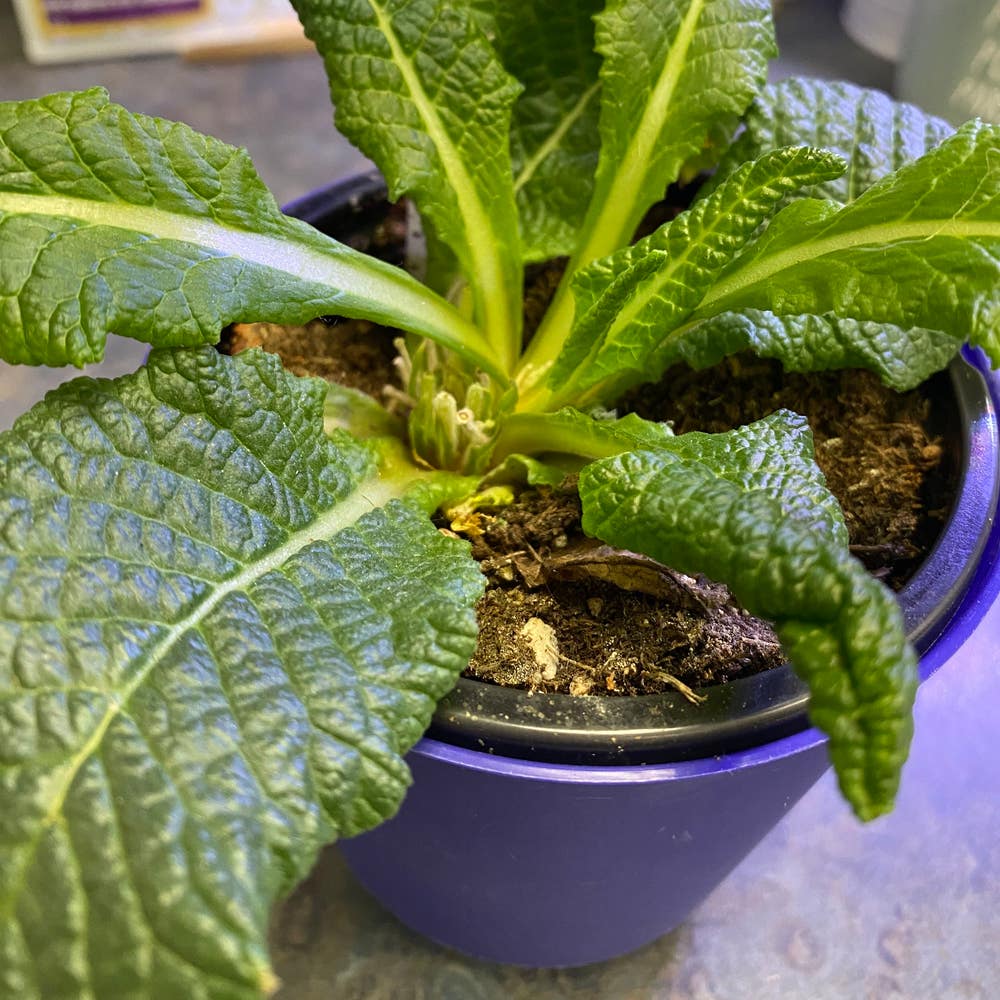
Auricula flowers may not always bloom, but their ornamental foliage is a showstopper. The striking rosette shape and vibrant leaf colors add a unique flair to any garden.
In addition to their beauty, Auricula plants serve a functional purpose. They make excellent ground cover in shaded areas, providing texture and interest where other plants might struggle.
🔍 Explanation of How Auricula Reproduces Without Flowers
Even without flowers, Auricula can thrive through asexual reproduction. Some varieties propagate through offsets or division, ensuring their presence in your garden continues.
This ability to reproduce without flowering showcases the plant's resilience. It’s a fascinating aspect that allows Auricula to adapt and flourish, even in less-than-ideal conditions.
As we explore the unique aspects of Auricula, you'll discover more about its intriguing growth habits and reproductive strategies.
Unique Aspects
Unusual Characteristics Related to Flowering or Non-Flowering Nature 🌼
Auricula flowers are known for their unique rosette growth habit, which creates a stunning visual appeal throughout the year. This striking foliage can be just as captivating as the blooms themselves.
Some Auricula varieties are specifically bred for their foliage rather than their flowers. These plants offer vibrant leaf colors and interesting textures, making them a fantastic choice for ornamental gardens.
Interesting Facts or Trivia About Reproductive Strategy 🤔
One fascinating aspect of Auricula is its ability to self-pollinate. This trait allows the plant to thrive even in isolated environments where pollinators may be scarce.
After blooming, Auricula enters a dormancy phase, which helps it conserve energy and resources. This resilience ensures that the plant can bounce back and flourish in the following growing season.
With these unique characteristics and reproductive strategies, Auricula flowers prove to be more than just a seasonal delight. They embody a remarkable adaptability that makes them a cherished addition to any garden.
As we explore further, let’s delve into the primary ornamental and functional features of Auricula, especially when they don’t flower.
⚠️ Safety First
This content is for general information and may contain errors, omissions, or outdated details. It is not medical, veterinary advice, or an endorsement of therapeutic claims.
Always consult a qualified healthcare professional before using any plant as food, medicine, or supplement.
Never eat any plant (or feed one to pets) without confirming its identity with at least two trusted sources.
If you suspect poisoning, call Poison Control (800) 222-1222, the Pet Poison Helpline (800) 213-6680, or your local emergency service immediately.
Spotted an error? Please report it here.
Celebrate the stunning vibrancy of Auricula flowers 🌼 by using Greg's tailored care reminders to keep your blooms flourishing year after year!