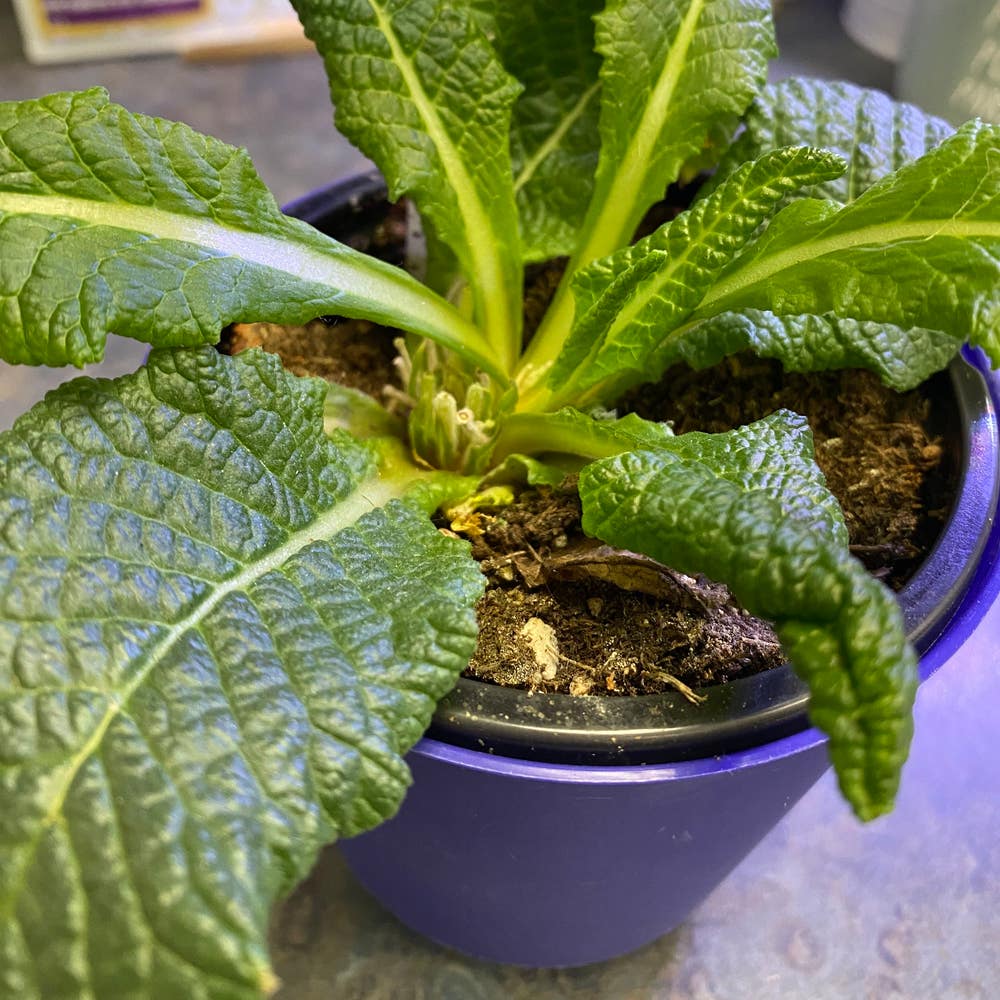
🌸 How to Fix Droopy Leaves on Your Auricula
Primula auricula
By the Greg Editorial Team
Oct 16, 2024•3 min read
This article was created with the help of AI so we can cover more plants for you. May contain errors. See one? Report it here.
- 💧 Droopy leaves indicate overwatering or underwatering; adjust your watering accordingly.
- 🌱 Ideal soil mix: 50% potting soil, 30% perlite, 20% sand for drainage.
- 🌞 Bright, indirect sunlight and humidity levels of 40%-60% are essential for health.
Causes of Droopy Leaves
💧 Overwatering and Its Effects
Droopy leaves often signal overwatering, which manifests as yellowing leaves and a mushy texture. This condition can lead to root rot, depriving roots of oxygen and causing further droopiness.
To remedy this, allow the soil to dry out completely before rewatering. This simple step can help restore your plant's health.
🌵 Underwatering and Dehydration
On the flip side, underwatering can also cause droopy leaves. Symptoms include crispy leaf edges, wilting, and noticeable drooping.
Severe dehydration may lead to leaf curling and browning. To combat this, water your plant thoroughly and maintain a consistent watering schedule.
🕳️ Poor Soil Drainage
Soil drainage plays a crucial role in plant health. Poor drainage can lead to waterlogging, which increases the risk of root rot.
Signs of inadequate drainage include water pooling on the surface and slow absorption. To improve this, use well-draining soil mixes and pots equipped with drainage holes.
🌡️ Environmental Stress
🌡️ Temperature
Temperature fluctuations can stress your plant, causing droopiness. The ideal range for auriculas is between 15°C to 20°C (59°F to 68°F).
Extreme temperatures, whether hot or cold, can lead to leaf droop. Keeping your plant within this range is essential for its well-being.
💧 Humidity
Humidity levels also affect leaf health. Auriculas thrive in humidity levels between 40% to 60%.
Low humidity can result in drooping and browning leaves. To increase humidity, consider using humidity trays or misting your plants regularly.
🛠️ Solutions for Droopy Leaves
Understanding the causes of droopy leaves is the first step. Next, you can implement effective solutions to revive your auricula.
📅 Adjusting Watering Practices
Establishing a consistent watering schedule based on soil moisture is vital. Consider using the Greg plant care app for AI-powered reminders to help you stay on track.
🧪 Improving Soil Drainage
For optimal drainage, mix 50% potting soil, 30% perlite, and 20% sand. Ensure your pots have adequate drainage holes to prevent water accumulation.
🐛 Treating Pests and Diseases
Identifying specific pests is crucial for effective treatment. Apply targeted treatments and use fungicides for any fungal infections as needed.
☀️ Modifying Light Exposure
Auriculas prefer bright, indirect sunlight. If your plant is not thriving, consider moving it to a location with filtered light.
💦 Increasing Humidity Levels
To boost humidity, use a humidifier or place a tray of water near your plant. Misting leaves in the morning can also help, but be cautious to avoid fungal issues.
🔄 Recovery Techniques
Once you've identified the cause of droopiness, follow these recovery techniques to help your auricula bounce back.
📝 Step-by-Step Recovery Process
- Assess the cause of droopiness.
- Adjust watering practices based on your findings.
- Treat any identified pests or diseases.
- Modify environmental conditions as needed.
🌱 When to Repot or Change Soil
If your plant is root-bound or the soil condition is poor, it may be time to repot. Use a well-draining, nutrient-rich soil mix for the best results.
🌿 Fertilization Tips for Recovery
During the growing season, use a balanced, water-soluble fertilizer. Apply every 4-6 weeks, diluted to half strength, to support recovery.
By addressing these causes and implementing effective solutions, your auricula can thrive once again. Next, let's explore specific recovery techniques to ensure your plant gets back on track.
⚠️ Safety First
This content is for general information and may contain errors, omissions, or outdated details. It is not medical, veterinary advice, or an endorsement of therapeutic claims.
Always consult a qualified healthcare professional before using any plant as food, medicine, or supplement.
Never eat any plant (or feed one to pets) without confirming its identity with at least two trusted sources.
If you suspect poisoning, call Poison Control (800) 222-1222, the Pet Poison Helpline (800) 213-6680, or your local emergency service immediately.
Spotted an error? Please report it here.
Revive your droopy auricula leaves with Greg's tailored care tips 🌿, ensuring you meet their specific needs for a thriving plant environment!