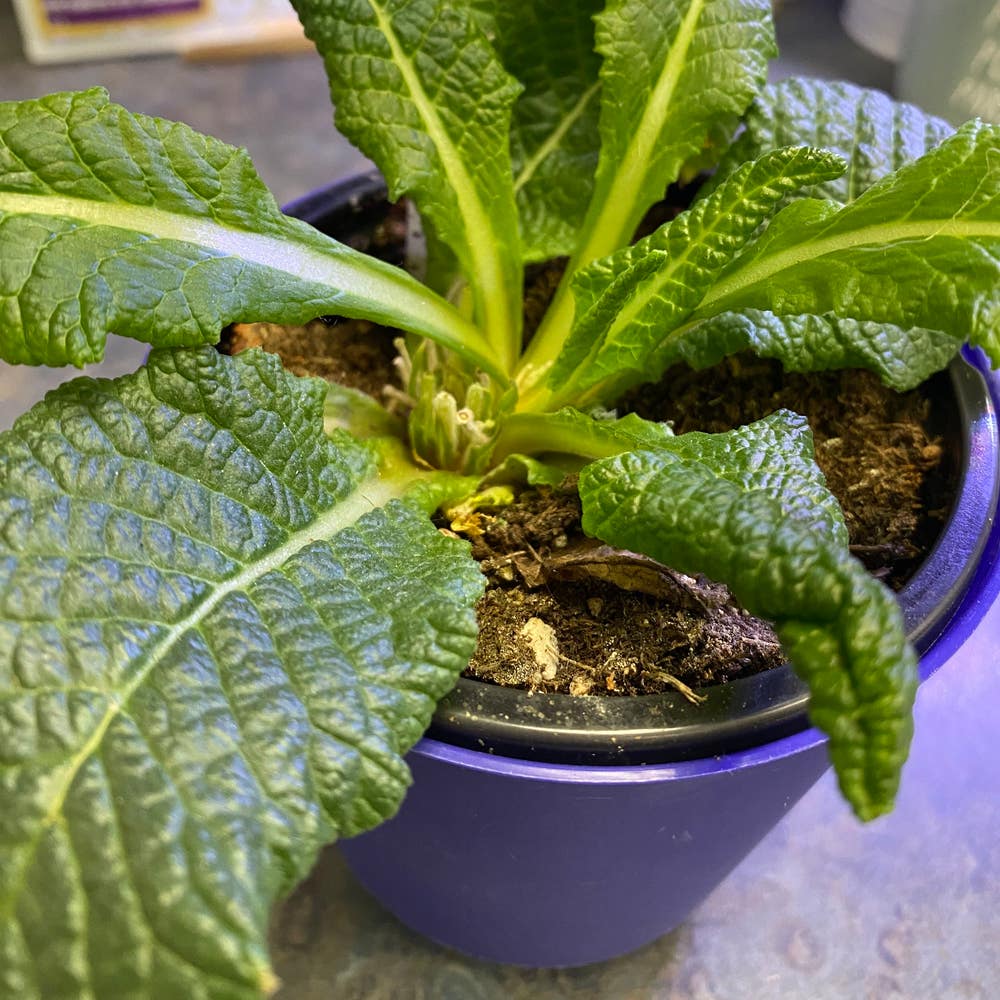
🌸 Everything You Need to Know to Grow Auricula
Primula auricula
By the Greg Editorial Team
Oct 16, 2024•6 min read
This article was created with the help of AI so we can cover more plants for you. May contain errors. See one? Report it here.
- 🌞 Auricula thrives in partial shade, needing 4-6 hours of indirect sunlight daily.
- 🌡️ Ideal temperatures for Auricula are 15°C to 20°C (59°F to 68°F) in cooler climates.
- 🌱 Use well-drained, alkaline soil with pH 6.0 to 7.5 for optimal growth.
Choosing the Right Location
🌞 Sunlight Requirements
To grow healthy Auricula, choosing the right sunlight exposure is crucial. These plants thrive best in partial shade, which helps prevent scorching and keeps them looking vibrant.
Aim for about 4-6 hours of indirect sunlight daily. This balance ensures they receive enough light without the risk of sunburn.
🌡️ Temperature Preferences
Auricula prefers a cozy temperature range of 15°C to 20°C (59°F to 68°F). They are particularly fond of cooler climates, making spring their favorite season to flourish.
If you live in a cooler area, you’re in luck! Auricula can handle those brisk temperatures, so don’t hesitate to plant them early in the season.
With the right sunlight and temperature, your Auricula will be set for success. Next, let’s dive into soil preparation to ensure they have the perfect foundation for growth.
Soil Preparation
Ideal Soil Composition 🌱
To grow healthy Auricula, start with a well-drained, alkaline soil that retains moisture effectively. A recommended mix consists of equal parts loamy soil, sand, and compost, ensuring your plants have the nutrients they need without becoming waterlogged.
pH Levels and Drainage Considerations 💧
Aim for a pH range of 6.0 to 7.5 for optimal growth. Proper drainage is crucial; it prevents root rot, so always use pots with drainage holes if you're growing in containers.
With the right soil preparation, your Auricula will thrive, setting the stage for successful planting. Next, let’s explore the best planting techniques to ensure your plants establish well.
Planting Techniques
Best Planting Techniques 🌱
Timing is crucial for planting Auricula. Aim for early spring or fall to ensure optimal establishment.
When planting, dig a hole that’s twice the width of the root ball. This gives the roots plenty of room to spread out and thrive.
Spacing and Depth Considerations 📏
For outdoor planting, space your Auricula 12-15 inches apart. This distance allows for adequate air circulation and growth.
Ensure the crown of the plant is level with the soil surface. This positioning helps prevent rot and encourages healthy growth.
With these planting techniques in mind, you’re well on your way to cultivating beautiful Auricula. Next, let’s explore how to properly water and fertilize your plants for continued success.
Watering and Fertilizing
💧 Watering Needs
Frequency and Method
To keep your Auricula thriving, maintain a consistent watering schedule. The soil should be moist but never soggy; water at the base to prevent leaf rot.
Signs of Overwatering or Underwatering
Watch for yellowing leaves and mushy roots, which indicate overwatering. Conversely, if you notice wilting or dry leaf edges, your plant may be underwatered.
🌱 Fertilization Techniques
Types of Fertilizers
For optimal growth, use balanced, slow-release fertilizers with an NPK ratio of 10-10-10. Organic options like fish emulsion or compost tea can also provide excellent nutrients.
Timing and Frequency
Fertilize every 4-6 weeks during the growing season for best results. As the seasons change, reduce the frequency in fall and winter to align with your plant's needs.
With proper watering and fertilization, your Auricula will flourish, setting the stage for healthy growth. Next, let’s dive into the essential pruning and maintenance techniques to keep your plants looking their best.
Pruning and Maintenance
Pruning for Health and Aesthetics 🌿
When and How to Prune
Pruning your Auricula is essential for its health and visual appeal. Aim to prune in early spring and right after flowering to promote new growth.
Use clean, sharp scissors to make precise cuts. This prevents damage and helps your plant thrive.
Deadheading Techniques
Deadheading is crucial for encouraging further blooming. Simply pinch off spent flowers just above the leaf node to stimulate new buds.
This simple act not only enhances aesthetics but also prolongs the blooming period of your Auricula.
Ongoing Care Routine 🌱
Seasonal Care Adjustments
As the seasons change, so should your care routine. In spring, increase fertilization and watering to support new growth.
Come fall, reduce watering and prepare your plant for dormancy. This helps your Auricula conserve energy for the colder months.
Monitoring for Pests and Diseases 🐛
Regular checks are vital for maintaining plant health. Inspect leaves and soil for any signs of pests or diseases.
Early detection is key for effective management. Staying vigilant can save your Auricula from potential issues down the line.
With proper pruning and ongoing care, your Auricula will flourish beautifully. Next, let’s explore the common challenges you might face and how to tackle them effectively.
Challenges and Solutions
🐛 Common Challenges
Pests and Diseases
Growing Auricula can come with its share of challenges. Common pests like aphids, slugs, and snails can wreak havoc on your plants, while diseases such as powdery mildew and root rot pose significant threats.
Environmental Stress Factors
Temperature fluctuations can stress your Auricula, making it crucial to protect them from extreme heat or frost. Additionally, maintaining consistent soil moisture is vital; too much water can lead to root rot, while too little can cause wilting.
🛠️ Solutions and Preventive Measures
Organic Pest Control Methods
Combat pests naturally with remedies like neem oil and diatomaceous earth. Encouraging beneficial insects, such as ladybugs and lacewings, can also help keep harmful pests at bay.
Adjusting Care Routines
Be proactive by modifying your watering schedule during dry spells to ensure your plants remain hydrated. During heat waves, consider implementing shade cloth to protect your Auricula from scorching sun.
By addressing these challenges with effective solutions, you can cultivate a thriving Auricula garden. Next, let’s explore the differences between container and outdoor growing for these beautiful plants.
Container vs. Outdoor Growing
🌱 Benefits of Container Growing
Container growing offers a fantastic way to cultivate Auricula, especially in limited spaces.
Space-Saving Techniques
Consider vertical gardening options like tiered plant stands. This method not only maximizes space but also adds visual interest to your garden.
Grouping pots can enhance aesthetic appeal while making efficient use of available space. It’s a simple yet effective way to create a lush, inviting environment.
Mobility and Environmental Control
One of the biggest advantages of container growing is mobility. You can easily move your plants to ensure they receive optimal sunlight or protection from harsh weather.
However, it’s crucial to ensure adequate drainage and choose the right pot size. This prevents waterlogging and promotes healthy root growth.
🌍 Outdoor Growing Considerations
Outdoor growing also has its perks, particularly when it comes to companion planting.
Companion Planting
Pairing Auricula with companions like alpine plants, ferns, and low-growing perennials can enhance biodiversity. This strategy not only beautifies your garden but also helps with natural pest control.
Seasonal Adjustments
When growing outdoors, seasonal adjustments are vital.
In winter, protect your plants with mulch and frost cloth to shield them from the cold.
During summer, be prepared to increase watering and provide shade to prevent stress from heat.
By understanding both container and outdoor growing, you can choose the best method for your Auricula. This knowledge sets the stage for successful cultivation and vibrant blooms.
⚠️ Safety First
This content is for general information and may contain errors, omissions, or outdated details. It is not medical, veterinary advice, or an endorsement of therapeutic claims.
Always consult a qualified healthcare professional before using any plant as food, medicine, or supplement.
Never eat any plant (or feed one to pets) without confirming its identity with at least two trusted sources.
If you suspect poisoning, call Poison Control (800) 222-1222, the Pet Poison Helpline (800) 213-6680, or your local emergency service immediately.
Spotted an error? Please report it here.
Cultivating thriving Auricula 🌼 is easy with Greg's personalized care tips and watering reminders, ensuring your plants flourish beautifully!