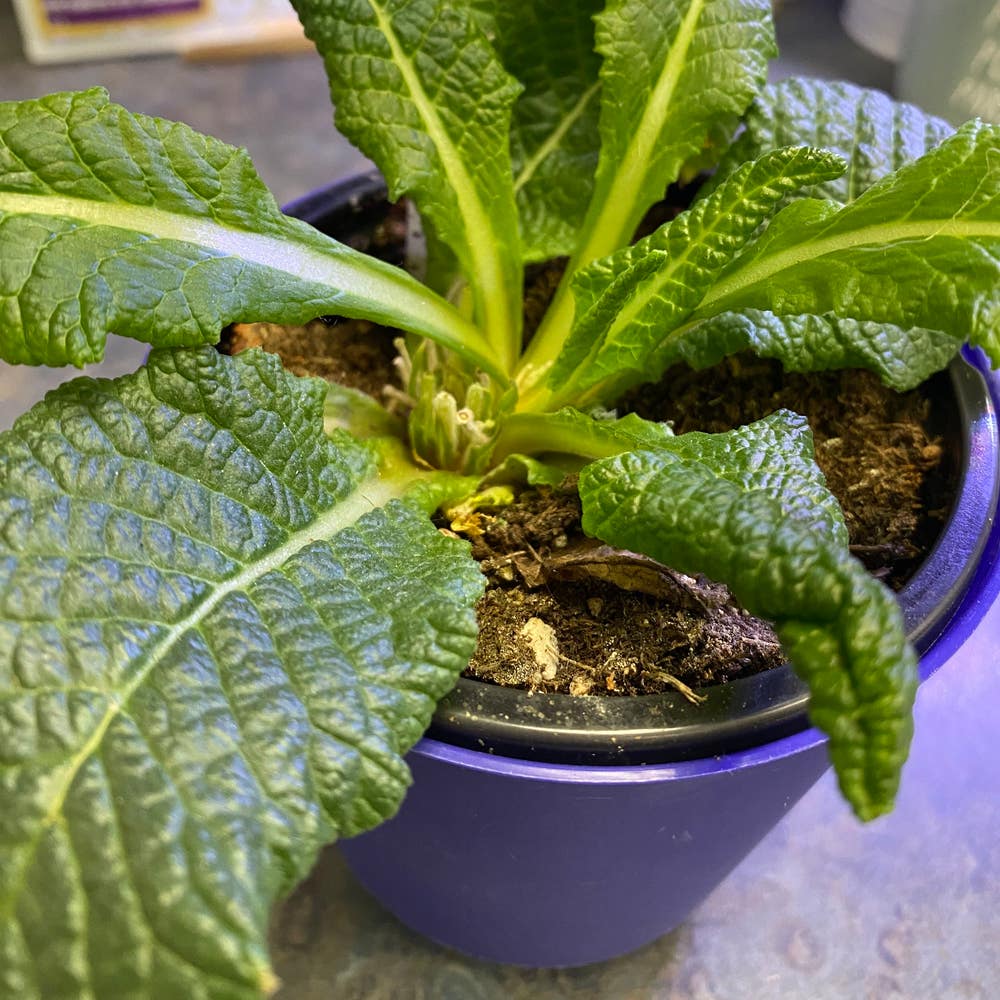
❄️ How to Care for Your Auricula in Winter
Primula auricula
By the Greg Editorial Team
Oct 16, 2024•5 min read
This article was created with the help of AI so we can cover more plants for you. May contain errors. See one? Report it here.
- ❄️ Frost protection is crucial for Auricula; use cloths, mulch, and cold frames.
- 💧 Water only when the top inch is dry to prevent overwatering and root rot.
- 🌞 Indoor Auricula thrives in cool, bright spots; avoid direct sunlight to prevent scorch.
Winter Care Requirements
❄️ Frost protection methods
Frost protection is crucial for your Auricula, as it prevents damage to both leaves and roots. Here are some effective techniques to keep your plants safe during chilly nights:
- Using frost cloths or blankets: Cover your plants to shield them from frost.
- Mulching: Apply a layer of organic mulch around the base to insulate the roots.
- Cold frames: Utilize structures that provide a protective barrier against extreme cold.
💧 Adjusting watering schedules during dormancy
During winter, your Auricula's water needs decrease significantly. It's essential to adjust your watering schedule accordingly:
- Frequency: Water only when the top inch of soil feels dry.
- Amount: Ensure thorough watering, but avoid waterlogging the roots.
Watch for signs of overwatering, such as yellowing leaves and mushy stems. These can indicate that your plant is not thriving in its winter environment.
🌱 Fertilizing Auricula in winter
Fertilization during dormancy should be minimal. Here are some guidelines to follow:
- Use a diluted, balanced fertilizer sparingly: This helps avoid overwhelming the plant.
- Timing: Only apply fertilizer if you notice signs of growth, typically in early spring.
By following these winter care requirements, you can ensure your Auricula remains healthy and ready for the upcoming growing season. Next, we’ll explore how to provide optimal indoor conditions for your Auricula during the colder months.
Indoor Winter Care
🌱 Conditions for indoor Auricula
Creating the perfect indoor environment for your Auricula is essential during winter. Aim for a cool, bright location that keeps temperatures between 50°F to 65°F (10°C to 18°C).
Moderate humidity is also crucial. This helps prevent leaf curl, ensuring your plant remains healthy and vibrant.
💡 Light and temperature requirements indoors
Auricula thrives in bright, indirect sunlight. This light exposure is key to keeping your plant happy and thriving.
Avoid direct sunlight to prevent leaf scorch and overheating. Additionally, monitor temperature fluctuations to maintain stable conditions, steering clear of drafts that could stress your plant.
With these indoor care tips, your Auricula will not only survive but flourish through the winter months. As you prepare for spring, keep an eye on your plant's recovery signs to ensure it’s ready for the growing season ahead.
Spring Preparation
🌱 Signs of recovery from winter damage
As spring approaches, keep an eye out for signs that your Auricula is bouncing back from winter. Look for new leaf growth and vibrant colors, which indicate a healthy recovery.
Assess any damage by checking for dead or mushy leaves. Early spring is the perfect time to observe these changes as temperatures begin to rise.
🌼 Preparing Auricula for spring growth
To set your Auricula up for success, start by cleaning up the plant. Remove any dead foliage and debris to promote airflow and prevent disease.
Next, gradually increase your watering schedule and resume regular fertilization. This gentle adjustment helps the plant transition into its active growth phase.
Don’t forget to prune! Trim any damaged or dead leaves to encourage fresh growth and keep your Auricula looking its best.
With these steps, your Auricula will be ready to thrive as the warmer weather arrives. Now, let’s explore common winter problems and their solutions to ensure your plant stays healthy year-round.
Common Winter Problems and Solutions
🌨️ Identifying Frost Damage
Frost can wreak havoc on your Auricula, leaving behind brown, wilted leaves and mushy stems. If you notice these symptoms, it's crucial to assess the severity of the damage to determine if your plant can bounce back or if it needs replacing.
To recover from frost damage, start by pruning away the affected areas. This will help redirect the plant's energy toward healthier growth and improve its overall resilience.
💧 Addressing Overwatering Issues During Dormancy
Overwatering is a common pitfall during winter dormancy. Signs of trouble include root rot and yellowing leaves, which can be alarming but are often fixable.
To remedy overwatering, adjust your watering frequency. Aim to water only once every few weeks, allowing the soil to dry out between sessions.
Additionally, ensure your pots have adequate drainage holes. This simple step can prevent water from pooling and causing further damage to your Auricula.
By staying vigilant and responsive to these common winter problems, you can help your Auricula thrive even in the coldest months. Next, let’s explore how to prepare your plant for the vibrant growth of spring.
Cold Hardiness and Geographic Considerations
🌨️ Regional Care Tips for Winter Survival
Caring for your Auricula during winter varies significantly based on your location. Understanding these regional differences can make all the difference in keeping your plants healthy.
Northern Regions
In northern areas, frost protection is crucial. Use frost cloths or blankets to shield your Auricula from harsh temperatures.
Indoor care is also essential. If you bring your plants inside, ensure they have a cool, bright spot away from drafts.
Southern Regions
In southern climates, the focus shifts to moisture management. Monitor your Auricula closely for signs of excessive moisture, which can lead to root rot.
Adjust your watering schedule accordingly. Less frequent watering is often necessary to prevent over-saturation.
Tips for Varying Climates
Regardless of your region, adapting your care practices to local weather patterns is key. Pay attention to temperature fluctuations and adjust your protective measures as needed.
Stay informed about seasonal changes in your area. This awareness will help you provide the best care for your Auricula throughout the winter months.
With these regional insights, you can ensure your Auricula thrives, no matter where you live. Next, let’s explore how to identify and address common winter problems.
⚠️ Safety First
This content is for general information and may contain errors, omissions, or outdated details. It is not medical, veterinary advice, or an endorsement of therapeutic claims.
Always consult a qualified healthcare professional before using any plant as food, medicine, or supplement.
Never eat any plant (or feed one to pets) without confirming its identity with at least two trusted sources.
If you suspect poisoning, call Poison Control (800) 222-1222, the Pet Poison Helpline (800) 213-6680, or your local emergency service immediately.
Spotted an error? Please report it here.
Keep your Auricula thriving this winter ❄️ with Greg's tailored watering reminders and frost protection tips to ensure it flourishes despite the cold!