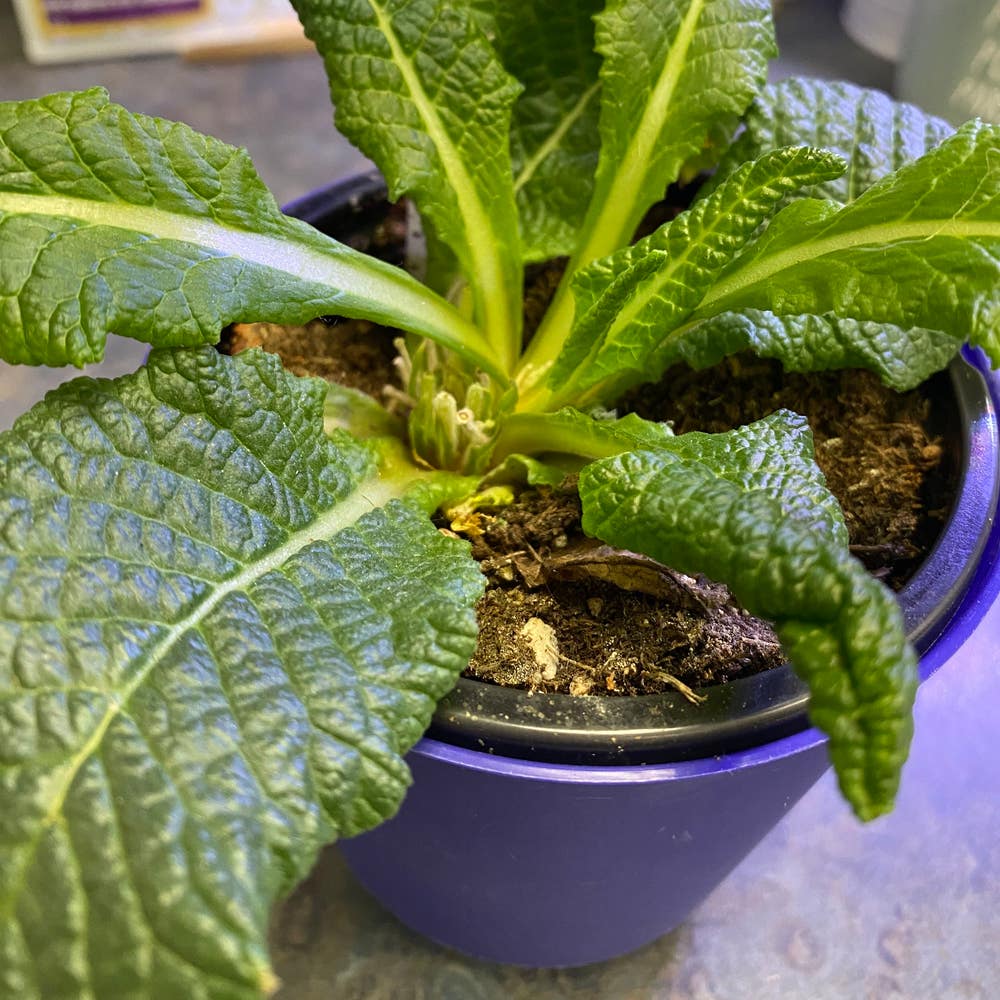
🌞 Managing Yellow Leaves on Your Auricula
Primula auricula
By the Greg Editorial Team
Oct 16, 2024•5 min read
This article was created with the help of AI so we can cover more plants for you. May contain errors. See one? Report it here.
- 💧 Overwatering causes yellow leaves; establish a 1-2 week watering schedule.
- 🌱 Nutrient deficiencies in nitrogen, iron, and magnesium lead to yellowing; test soil regularly.
- 🐛 Pests like aphids can damage Auricula; inspect plants frequently for early detection.
Common Causes of Yellow Leaves
💧 Overwatering
Overwatering is a common culprit behind yellow leaves on your Auricula. Symptoms include yellowing leaves, wilting, and even root rot, which can devastate your plant.
Poor drainage often exacerbates this issue, leading to waterlogged roots. Ensuring your pot has adequate drainage holes can make a significant difference.
🥦 Nutrient Deficiencies
Nutrient deficiencies can also cause yellowing leaves. The most common deficiencies are nitrogen, iron, and magnesium.
You might notice yellowing between leaf veins or overall leaf discoloration. Regular soil testing can help you identify these issues early.
🐛 Pests and Diseases
Pests and diseases are serious threats to your Auricula. Common pests like aphids and mealybugs can wreak havoc, leading to yellowing leaves and sticky residue.
If you see visible insects on your plant, it's time to act. Early detection is key to preventing further damage.
🌡️ Environmental Stress
Environmental stress can also lead to yellow leaves. Factors such as temperature fluctuations, humidity levels, and sunlight exposure play a crucial role in your plant's health.
Symptoms include leaf curling, discoloration, and stunted growth. Monitoring these conditions can help you maintain a thriving Auricula.
Understanding these common causes is the first step in managing yellow leaves effectively. Next, we'll explore how to diagnose the specific problem affecting your plant.
Diagnosing the Problem
Assessing Watering Practices 🌊
To keep your Auricula thriving, establish an ideal watering schedule. Typically, watering every 1-2 weeks is sufficient, but always check the soil moisture first.
Signs of overwatering include yellowing leaves and a mushy texture. If the soil feels soggy, it’s time to adjust your watering habits.
Evaluating Soil Conditions 🏺
Well-draining soil is crucial for Auricula health. A mix that allows excess water to escape prevents root rot and other issues.
To test drainage, perform a simple water test. Pour water into the pot and observe how quickly it drains; if it pools, consider repotting with better soil.
Checking for Pests and Diseases 🐛
Regular inspections are key to catching pests early. Look for visible insects like aphids or mealybugs, as well as sticky residue on leaves.
Common diseases include root rot and fungal infections. If you notice yellowing leaves alongside these symptoms, it’s time to take action.
By diagnosing these issues promptly, you can ensure your Auricula remains vibrant and healthy. Next, let’s explore how to alleviate those pesky yellow leaves.
Alleviating Yellow Leaves
🌊 Adjusting Watering Techniques
To keep your Auricula thriving, it's essential to determine the optimal watering frequency. Aim for every 1-2 weeks, adjusting based on the plant's environment.
Before watering, always check the soil moisture. You can use the finger test or a moisture meter to ensure you're not overdoing it.
🏞️ Improving Soil Drainage
Soil drainage is crucial for healthy Auricula. Consider adding amendments like perlite, sand, or grit to enhance drainage capabilities.
If drainage issues persist, repotting might be necessary. Choose the right time and follow proper techniques to ensure your plant has the best soil conditions.
🥦 Treating Nutrient Deficiencies
Identifying nutrient deficiencies can be a game-changer for your Auricula. Look for specific leaf symptoms and consider soil testing to pinpoint any issues.
Establish a fertilization schedule with recommended NPK ratios tailored for Auricula. Organic options like compost and slow-release fertilizers can also provide a nutrient boost.
By addressing these key areas, you can effectively alleviate yellow leaves and promote a healthier, more vibrant Auricula. Next, let’s explore how to prevent future issues to keep your plant flourishing.
Preventing Future Issues
Best Practices for Auricula Care 🌱
To keep your Auricula thriving, consistency in watering is key. Aim to water when the top inch of soil feels dry, ensuring you avoid the pitfalls of overwatering.
Selecting the right soil is equally crucial. Use a well-draining potting mix to promote healthy root growth and prevent waterlogging.
Seasonal Care Tips 🌸
Spring is the perfect time for fertilization and repotting. Refreshing the soil will give your Auricula a nutrient boost as it enters the growing season.
During summer, keep an eye out for pests and adjust your watering schedule as needed. Hotter temperatures may require more frequent checks.
As fall and winter approach, reduce watering to prevent root rot and protect your plants from frost. A little extra care during these months can make a big difference.
Monitoring Environmental Conditions 🌡️
Your Auricula thrives best in a temperature range of 15°C to 25°C (59°F to 77°F). Keeping them within this range will help maintain their vibrant health.
Humidity levels also play a vital role. Aim for moderate humidity to support optimal growth without overwhelming your plant.
Lastly, adjust your Auricula's placement based on seasonal sunlight changes. Ensuring they receive the right amount of light will keep those leaves looking lush and green.
By following these best practices, seasonal tips, and monitoring environmental conditions, you can prevent yellow leaves and ensure your Auricula remains a stunning addition to your collection. Next, let’s explore some common myths and misconceptions surrounding yellowing leaves.
Myths and Misconceptions
🟡 Common Myths About Yellowing
One prevalent myth is that yellow leaves on your Auricula always signal a pest problem. While pests like aphids can cause yellowing, other culprits such as overwatering or nutrient deficiencies often play a significant role.
Understanding the full range of factors affecting leaf color is crucial. Don't jump to conclusions; take a moment to assess your plant's overall health.
💧 Clarifying Care Practices
Another common misconception is that Auricula requires constant moisture to thrive. In reality, allowing the soil to dry out between waterings is essential for healthy growth.
Overwatering can lead to root rot and other issues, so it's vital to find that balance. Your plant will thank you for it with vibrant, healthy leaves.
As you navigate these myths, remember that proper care and attention to detail can prevent many issues. With the right knowledge, you can keep your Auricula thriving and beautiful.
⚠️ Safety First
This content is for general information and may contain errors, omissions, or outdated details. It is not medical, veterinary advice, or an endorsement of therapeutic claims.
Always consult a qualified healthcare professional before using any plant as food, medicine, or supplement.
Never eat any plant (or feed one to pets) without confirming its identity with at least two trusted sources.
If you suspect poisoning, call Poison Control (800) 222-1222, the Pet Poison Helpline (800) 213-6680, or your local emergency service immediately.
Spotted an error? Please report it here.
Transform your Auricula's yellow leaves into lush greenery 🌿 by using Greg's personalized watering schedules and nutrient alerts for thriving plant health!