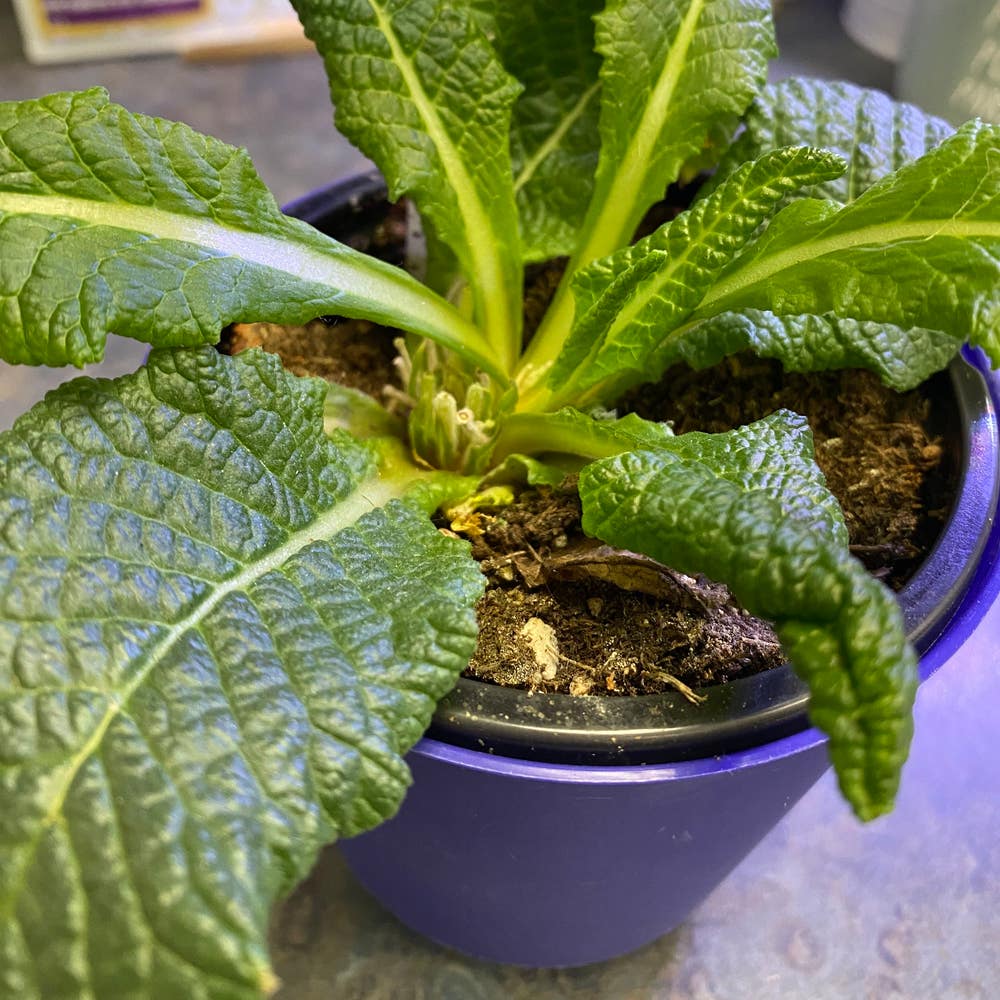
🌸 How to Fix Dropping Leaves on Your Auricula
Primula auricula
By the Greg Editorial Team
Oct 16, 2024•5 min read
This article was created with the help of AI so we can cover more plants for you. May contain errors. See one? Report it here.
- 💧 Overwatering and underwatering cause leaf drop; adjust watering based on season.
- 🐛 Regular pest inspections are vital; look for sticky residue and discoloration.
- 🌞 Optimal light exposure prevents leaf drop; avoid direct sunlight for Auriculas.
Diagnosing Leaf Drop Issues
🌊 Signs of Overwatering vs. Underwatering
Overwatering is a common culprit for leaf drop in Auricula plants. Look for yellow leaves and signs of root rot, which can indicate that your plant is sitting in soggy soil.
On the other hand, underwatering manifests as wilting leaves and dry soil. If your Auricula appears droopy, it might be time to give it a drink.
🐛 Identifying Pest Damage
Pests can wreak havoc on your Auricula, so keep an eye out for visible invaders. Sticky residue, webbing, and leaf discoloration or deformation are all signs that pests may be present.
Regular inspections can help catch these issues early. If you spot anything unusual, it’s time to take action.
🦠 Recognizing Disease Symptoms
Fungal infections often show up as discoloration, spots, or a powdery residue on leaves. These symptoms can quickly escalate if not addressed.
Bacterial infections, on the other hand, present as water-soaked spots and wilting. Identifying these signs early can save your plant from further damage.
🌍 Assessing Environmental Conditions
Environmental factors play a crucial role in your Auricula's health. Start by checking temperature and humidity levels; extremes can lead to stress and leaf drop.
Next, evaluate light exposure and soil moisture. Your plant thrives in bright, indirect light, so ensure it’s not getting scorched or starved of sunlight.
By diagnosing these issues, you can take the necessary steps to restore your Auricula's health and vibrancy. Understanding these signs will set you up for success as you move on to solutions for leaf drop.
Solutions for Leaf Drop
🌊 Adjusting Watering Practices
To tackle leaf drop, start by determining the soil moisture. You can use a moisture meter or simply stick your finger into the soil to check its dampness.
Next, adjust your watering frequency based on the season and the specific needs of your Auricula. During the growing season, they may require more water, while in winter, less is often better.
When you do water, ensure you do it thoroughly. Water until it drains out of the bottom, which helps prevent root rot and encourages healthy growth.
🕳️ Improving Drainage and Soil Quality
Good drainage is crucial for your Auricula's health. A recommended soil mix is 50% potting soil and 50% perlite or sand, which promotes aeration and prevents waterlogging.
If you notice persistent leaf drop, consider repotting your plant. Choose a pot with drainage holes and ensure the new soil mix is well-draining to support robust root health.
💡 Modifying Light Conditions
Light conditions can significantly impact your plant's well-being. If your Auricula isn't thriving, consider relocating it to achieve optimal light exposure.
Using sheer curtains can help diffuse direct sunlight, providing the bright, indirect light that Auricula prefer without the risk of leaf burn.
🐛 Treating Pests and Diseases
Identifying pests or diseases early is key to preventing further damage. Look for visible pests, sticky residue, or webbing on your plant.
Once identified, apply appropriate treatments. Use insecticides for pest issues and fungicides for any fungal infections to restore your Auricula's health.
🌱 Using Appropriate Fertilizers
Fertilization plays a vital role in your Auricula's growth. A monthly fertilization schedule during the growing season can provide the nutrients your plant needs.
Opt for a balanced NPK fertilizer, like a 10-10-10 mix, or consider organic options for a more natural approach to feeding your plant.
By implementing these solutions, you can effectively address leaf drop and promote a thriving Auricula. Next, let's explore some preventative measures to ensure your plant remains healthy and vibrant.
Preventative Measures
🌱 Best Practices for Auricula Care
Regularly checking soil moisture is crucial for your Auricula's health. Adjust your watering routine based on the moisture level to prevent leaf drop.
Ensure your plant has proper drainage and quality soil. A well-draining mix will help avoid root rot and promote healthy growth.
☃️ Seasonal Care Tips
In winter, protect your Auricula from frost and reduce watering. This helps the plant conserve energy during its dormant phase.
During summer, provide shade during extreme heat. This will prevent stress and keep your plant thriving.
🕵️♂️ Regular Monitoring for Pests and Diseases
Conduct weekly inspections to catch early signs of pests or diseases. Staying proactive can save your plant from severe damage.
Keeping a pest management log can help you track any recurring issues. This way, you can adjust your care routine accordingly.
🌍 Ideal Growing Conditions
Aim for a well-draining, rocky soil mix to support your Auricula's roots. This type of soil encourages healthy growth and prevents waterlogging.
Maintain a cool, stable temperature for optimal growth. Auriculas thrive in environments that mimic their natural habitat.
Provide bright, indirect light for your plant. This lighting condition helps prevent leaf drop while promoting vibrant growth.
By following these preventative measures, you can create a nurturing environment for your Auricula. This foundation will help ensure your plant remains healthy and vibrant, setting the stage for the next section on common misconceptions.
Common Misconceptions
🌞 Myths About Auricula Leaf Drop
One common myth is that Auricula can thrive in direct sunlight. In reality, these plants prefer bright, indirect light to prevent leaf drop and maintain their vibrant colors.
📚 Clarifying Care Requirements
Another misconception is that all Auricula varieties have the same care needs. The truth is, different varieties may have specific requirements; doing your research is essential for optimal care.
Understanding these myths can help you provide the best environment for your Auricula, ensuring they flourish rather than falter.
Next, let’s explore some preventative measures to keep your Auricula healthy and thriving.
⚠️ Safety First
This content is for general information and may contain errors, omissions, or outdated details. It is not medical, veterinary advice, or an endorsement of therapeutic claims.
Always consult a qualified healthcare professional before using any plant as food, medicine, or supplement.
Never eat any plant (or feed one to pets) without confirming its identity with at least two trusted sources.
If you suspect poisoning, call Poison Control (800) 222-1222, the Pet Poison Helpline (800) 213-6680, or your local emergency service immediately.
Spotted an error? Please report it here.
Keep your Auricula thriving 🌿 by using Greg's tailored watering alerts and pest management tips to prevent leaf drop and ensure vibrant growth!