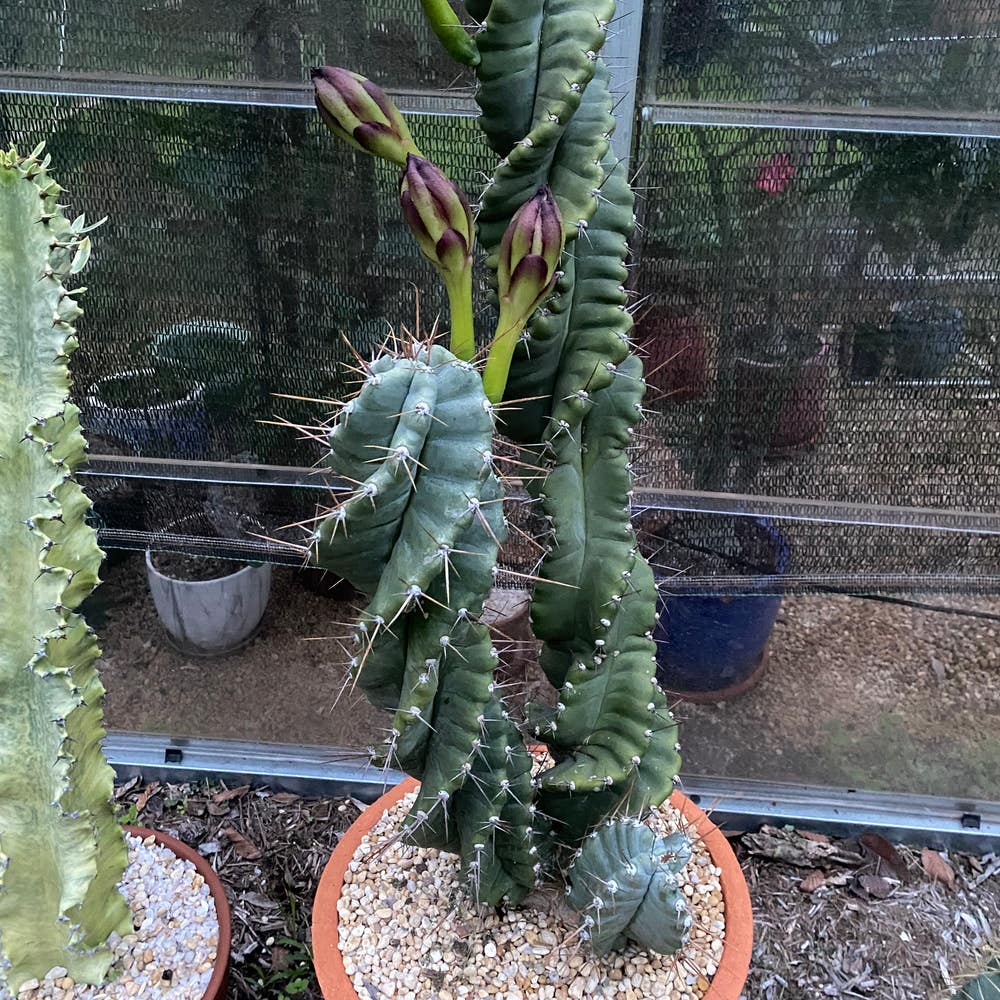
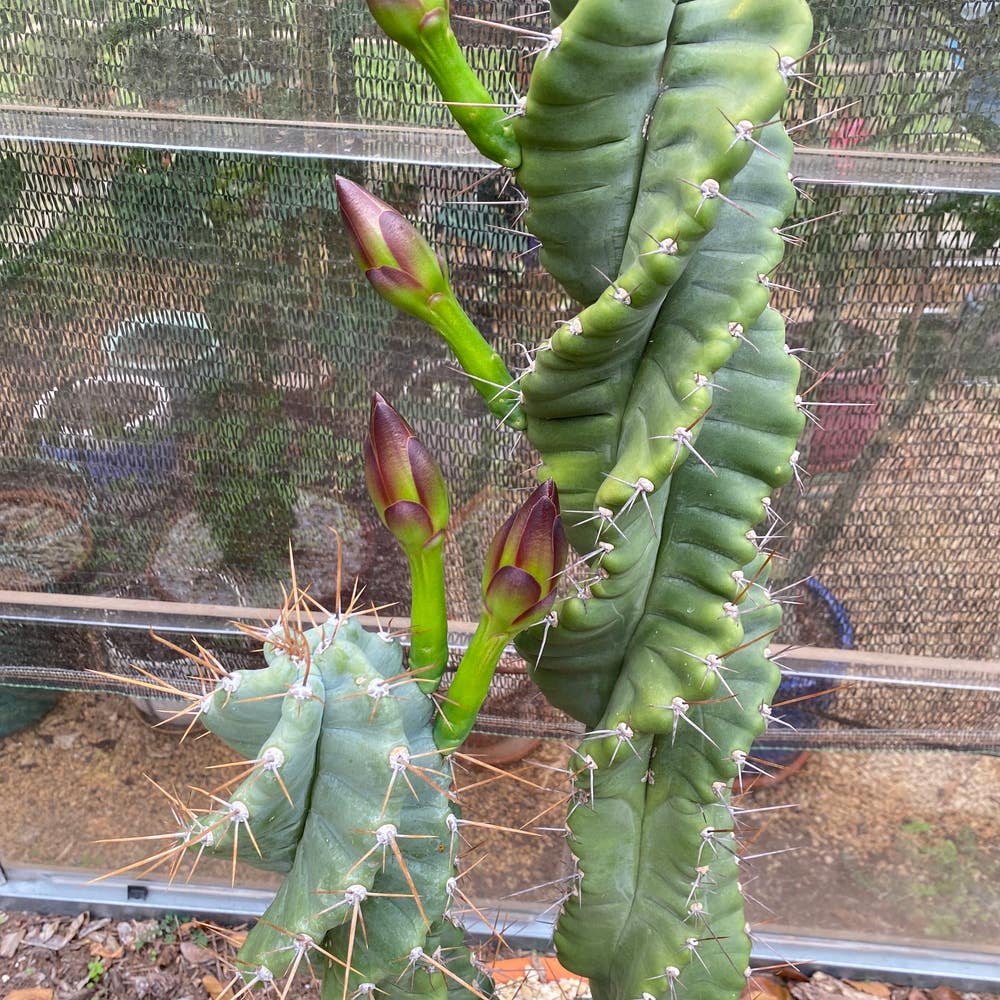
🌵 Ultimate Guide to Twisted Cactus
Cereus forbesii 'Spiralis'
By the Greg Editorial Team
Jan 24, 2025•12 min read
This article was created with the help of AI so we can cover more plants for you. May contain errors. See one? Report it here.
- 🌞 Twisted cactus thrives in full sun; choose the right location for growth.
- 💧 Water only when soil is dry to prevent root rot and wilting.
- 🌱 Space cacti 2-3 feet apart for optimal growth when planting multiple.
How to Grow Twisted Cactus
🌞 Choosing a Location
For optimal growth, twisted cactus thrives in full sun exposure. If you're considering container growing, ensure your pots have excellent drainage and receive ample sunlight.
🌱 Soil Preparation
Use a well-draining cactus mix or sandy loam for planting. Aim for a soil pH that is slightly acidic to neutral, ideally between 6.0 and 7.0.
🌵 Planting Techniques
When planting, make sure the base of the cactus is level with the soil surface. If you're planting multiple cacti, space them 2-3 feet apart to allow for growth.
💧 Watering Requirements
Water your twisted cactus only when the soil has completely dried out. Be mindful of overwatering, which can lead to root rot, and underwatering, which can cause wilting.
🌼 Fertilizing Schedule
Fertilize during the growing season, specifically in spring and summer. A diluted cactus fertilizer with a balanced NPK ratio works best for these resilient plants.
✂️ Pruning Methods
Prune your cactus by removing any dead or damaged segments. Use clean, sharp pruning shears to prevent infection and promote healthy growth.
🔍 Ongoing Care Tips
Keep an eye out for pests and diseases that may affect your cactus. Adjust your care routine seasonally to meet the changing needs of your plant.
🌍 Outdoor vs. Container Growing
Growing twisted cactus outdoors requires different care compared to container growing. For containers, choose a size that allows for root expansion while ensuring proper drainage.
Propagation
🌱 Methods of Propagation
Twisted cactus can be propagated through two primary methods: seed propagation and cutting propagation. Each method has its unique steps and benefits, making it easy for any gardener to choose the right approach.
🌾 Seed Propagation
Seed propagation begins with collecting seeds from a mature cactus. After gathering, soak the seeds in water for 24 hours to enhance germination.
Next, plant the seeds in well-draining soil, covering them lightly. It's crucial to maintain humidity during this stage, as seeds typically germinate within 2 to 4 weeks.
✂️ Cutting Propagation
Cutting propagation is another effective method. Start by selecting a healthy segment of the cactus and cutting it cleanly.
Allow the cut end to callous for 1 to 2 days before planting it in dry soil. Water sparingly until roots develop, which usually takes about 2 to 3 weeks.
📋 Summary of Propagation Steps
| Method | Steps |
|---|---|
| Seed Propagation | 1. Soak seeds for 24 hours. 2. Plant in well-draining soil. 3. Maintain humidity until germination. |
| Cutting Propagation | 1. Cut a healthy segment. 2. Allow to callous for 1-2 days. 3. Plant in dry soil and water sparingly. |
With these methods, you can easily expand your twisted cactus collection or share the joy of gardening with friends. Next, let’s explore the lifecycle of twisted cactus and what to expect as it grows.
Lifecycle
Lifecycle Stages 🌱
Understanding the lifecycle of the Twisted Cactus is essential for successful cultivation. It begins with germination, where seeds require warmth and moisture to sprout effectively.
Once germinated, the plant enters the seedling stage. During this phase, young plants need consistent light and moderate watering to establish strong roots.
As the cactus matures, it transitions into vegetative growth. Here, it demands nutrients and ample sunlight to thrive, setting the stage for future blooms.
The flowering stage is a highlight, where conditions must be just right for blooming and pollination. This phase often attracts pollinators, enhancing the plant's reproductive success.
Finally, the lifecycle culminates in seed production. This occurs after flowering, allowing the cactus to create seeds for the next generation.
Lifespan and Growth Timeline ⏳
The typical lifespan of a Twisted Cactus ranges from 10 to 30 years, depending on the care it receives. With proper attention, you can expect it to reach full maturity in about 3 to 5 years.
Growth speed is moderate under optimal conditions, making patience a virtue for cactus enthusiasts. Regular monitoring and care can significantly influence its longevity and health.
In summary, understanding the lifecycle stages and lifespan of the Twisted Cactus will empower you to nurture it effectively. This knowledge sets the foundation for a thriving plant that can bring beauty to your space for decades.
Next, we will explore the size of the Twisted Cactus, including its mature height and spread.
Size
Mature Height and Spread 🌵
Twisted cacti can reach an impressive average height of 3 to 6 feet. Their spread typically ranges from 2 to 4 feet, making them a striking addition to any garden.
Growth Rate and Size Variability 📈
Several factors influence the growth rate of twisted cacti, including light exposure, water availability, and soil quality. Additionally, different varieties may exhibit significant size variability, so it's essential to consider the specific type you're growing.
Factors Affecting Size 📏
The size of your twisted cactus can be greatly impacted by whether it's planted in a container or directly in the ground. Container size plays a crucial role in limiting root growth, while environmental factors like climate and seasonal changes can also affect overall growth patterns.
Understanding these elements will help you create the optimal conditions for your twisted cactus to thrive. As you nurture your plant, keep an eye on these factors to ensure it reaches its full potential.
Roots
Characteristics of the Root System 🌱
Twisted cacti have a unique root system characterized by fibrous roots, complemented by some taproot features. These roots can extend 1-2 feet deep and spread wide, allowing the plant to access water and nutrients effectively.
Common Root-Related Issues ⚠️
Root rot is a significant concern for twisted cacti, often caused by overwatering or poor drainage. Signs of unhealthy roots include discoloration and a mushy texture, indicating that immediate action is needed.
Visual Cues for Healthy vs. Unhealthy Roots 👀
Healthy roots are typically firm and exhibit a white or light tan color. In contrast, unhealthy roots will appear dark, soft, or mushy, signaling that the plant may be in distress.
Recognizing and Addressing Rootbound Conditions 🔄
Rootbound plants show signs such as stunted growth and roots emerging from drainage holes. To remedy this, consider repotting into a larger container or gently breaking up the roots to encourage new growth.
Understanding the root system of your twisted cactus is crucial for its health and longevity. With proper care and attention, you can ensure your cactus thrives and flourishes.
Next, we’ll explore the benefits of growing twisted cactus, highlighting why this unique plant deserves a spot in your garden.
Benefits
Top 5 Benefits of Growing Twisted Cactus 🌵
1. Drought Resistance
Twisted cactus thrives on minimal water, making it a champion of drought resistance. This quality not only conserves water but also supports sustainable gardening practices.
2. Unique Aesthetic
With its striking appearance, twisted cactus adds a bold visual element to any landscape. Its unusual shape and texture can serve as a focal point in gardens or patios.
3. Wildlife Attraction
These cacti are more than just pretty plants; they provide essential habitats for pollinators and birds. By growing twisted cactus, you contribute to local biodiversity.
4. Cultural Significance
Twisted cactus holds traditional value in various cultures, often used in crafts and food. This connection to heritage adds depth to your gardening experience.
5. Low Maintenance
For busy gardeners, twisted cactus is a dream come true. Its minimal care requirements allow you to enjoy a beautiful garden without the constant upkeep.
Incorporating twisted cactus into your garden not only enhances its beauty but also aligns with sustainable practices. Next, let’s explore the concept of companion planting and how it can further benefit your gardening efforts.
Companion Plants
🌱 Concept of Companion Planting
Companion planting is a gardening technique that pairs plants together for mutual benefits. This approach can enhance growth, improve pest management, and create a more vibrant garden ecosystem.
🌼 Best Companion Plants
When growing Twisted Cactus, consider pairing it with succulents, other cacti, and drought-tolerant plants. These companions thrive under similar conditions, sharing light and water needs, which makes maintenance easier and more efficient.
🚫 Plants to Avoid
Avoid planting Twisted Cactus alongside species that require high moisture or shade. These incompatible plants can create competition for resources, leading to stress and poor growth for your cactus.
By selecting the right companions, you can create a thriving garden that showcases the unique beauty of Twisted Cactus while promoting overall plant health. Next, let’s explore the potential toxicity of Twisted Cactus to humans and pets.
Toxicity to Humans
🛡️ Safety of Twisted Cactus for Humans
Twisted cactus is generally safe for humans and is not listed as toxic by major poison control centers. However, minor issues can arise from contact or ingestion, such as mild skin irritation or digestive discomfort.
It's always wise to exercise caution when handling any plant. If you experience unusual symptoms after contact, seeking medical advice is a prudent step.
Toxicity to Dogs
🐶 Safety of Twisted Cactus for Dogs
When it comes to the safety of Twisted Cactus for our furry friends, the good news is that it’s not listed as toxic by major pet poison control centers. This means you can enjoy your cactus garden without constant worry about your dog's health.
However, if your dog happens to nibble on a piece, there could be minor issues like mild gastrointestinal upset. It's always best to keep an eye on them just in case.
🏡 Tips for Introducing Twisted Cactus to Homes with Dogs
To ensure a harmonious coexistence between your Twisted Cactus and your canine companion, consider proper placement. Position your cactus in areas that are out of reach, preventing any accidental munching.
Monitoring your dog's behavior around the cactus is also crucial. If they show excessive curiosity or attempt to chew, it might be time to rethink its location.
With these precautions, you can enjoy the beauty of Twisted Cactus while keeping your dog safe and sound.
Toxicity to Cats
Safety of Twisted Cactus for Cats 🐱
Twisted Cactus is generally safe for cats, as it is not listed as toxic by major pet poison control centers. However, if ingested, it may cause mild gastrointestinal upset, so it's wise to keep an eye on your feline friend.
To ensure a harmonious home, consider proper placement of your cactus. Position it in areas that are less accessible to your cat, and monitor their behavior around it. This way, you can enjoy your beautiful plant without worrying about your pet's safety.
By taking these precautions, you can create a safe environment for both your Twisted Cactus and your curious cat. Now that you know about its safety, let’s explore how to keep your cactus thriving in your home!
Problems
🌵 Common Problems Faced When Growing Twisted Cactus
Growing Twisted Cactus can be a rewarding experience, but it comes with its share of challenges. Understanding these common problems will help you keep your cactus thriving.
💧 Incorrect Watering
Watering is crucial for cactus health. Overwatering can lead to root rot, which manifests as mushy, discolored roots and wilting stems. Conversely, underwatering shows signs like shriveling and browning.
☀️ Incorrect Light Conditions
Light is another vital factor. Insufficient light can cause elongated, weak growth, while excessive light may scorch the cactus, leading to brown patches. Finding the right balance is key.
🌡️ Incorrect Temperature
Temperature plays a significant role in cactus care. Twisted Cactus thrives in warm conditions, ideally between 70°F and 100°F. Exposure to extreme cold can cause stress, resulting in stunted growth or even death.
🦠 Diseases
Fungal diseases can plague your cactus if not monitored. Powdery mildew is a common issue, appearing as a white, powdery substance on the surface. Root rot, often caused by overwatering, can be equally damaging.
🍃 Leaf Issues
Leaf problems can signal underlying issues. Scorching may indicate too much sun, while yellowing often points to overwatering or nutrient deficiencies. Fuzzy growth can be a sign of pests or fungal infections.
By staying vigilant and addressing these common problems, you can ensure your Twisted Cactus remains healthy and vibrant. Next, let’s explore the potential pest issues that can affect your cactus.
Bugs
Potential Pest Issues 🐜
Twisted cactus plants are generally resilient, but they can still face pest challenges. Understanding their resistance and susceptibility helps you prepare for potential infestations.
Identification and Damage Caused by Pests 🔍
Spider Mites
Spider mites are tiny pests that can wreak havoc on your cactus. Look for fine webbing and yellowing leaves as signs of their presence.
Scale Insects
Scale insects appear as small, brownish bumps on the cactus surface. They suck sap from the plant, leading to stunted growth and overall decline.
Mealybugs
Mealybugs are cotton-like pests that cluster in leaf joints. They can cause yellowing and wilting, so act quickly to treat infestations.
Effective Treatment Options 💊
For spider mites, consider using insecticidal soap or neem oil to eliminate them.
Scale insects can be treated with a cotton swab dipped in rubbing alcohol to remove them manually.
Mealybugs respond well to the same insecticidal soap or neem oil treatments.
Regular monitoring and prompt action will keep your twisted cactus thriving and pest-free.
What Eats Twisted Cactus
🦌 Common Animals That May Damage Twisted Cactus
Twisted cactus can attract a variety of herbivores that may cause damage. Common culprits include deer, rabbits, and squirrels, all of which may find the cactus appealing for their diets.
🕵️♂️ Signs of Animal Presence and Damage
Identifying signs of animal activity is crucial for protecting your cactus. Look for chewed edges, missing segments, or droppings near the plant, which indicate that animals have been feasting on your prized cactus.
🚫 Deterrent Methods
To safeguard your twisted cactus, consider both chemical and organic control methods. Chemical repellents can deter larger animals, while organic options like planting strong-smelling herbs or using barriers can keep smaller pests at bay.
By being proactive, you can enjoy the beauty of your twisted cactus without the worry of unwanted nibblers.
⚠️ Safety First
This content is for general information and may contain errors, omissions, or outdated details. It is not medical, veterinary advice, or an endorsement of therapeutic claims.
Always consult a qualified healthcare professional before using any plant as food, medicine, or supplement.
Never eat any plant (or feed one to pets) without confirming its identity with at least two trusted sources.
If you suspect poisoning, call Poison Control (800) 222-1222, the Pet Poison Helpline (800) 213-6680, or your local emergency service immediately.
Spotted an error? Please report it here.
Cultivating a thriving twisted cactus 🌞 is easy with Greg's tailored watering alerts and expert care tips, ensuring you meet its unique needs for sunlight, soil, and more!