🌵 Top 5 Pot Options to Make Your Spiral Cactus Thrive
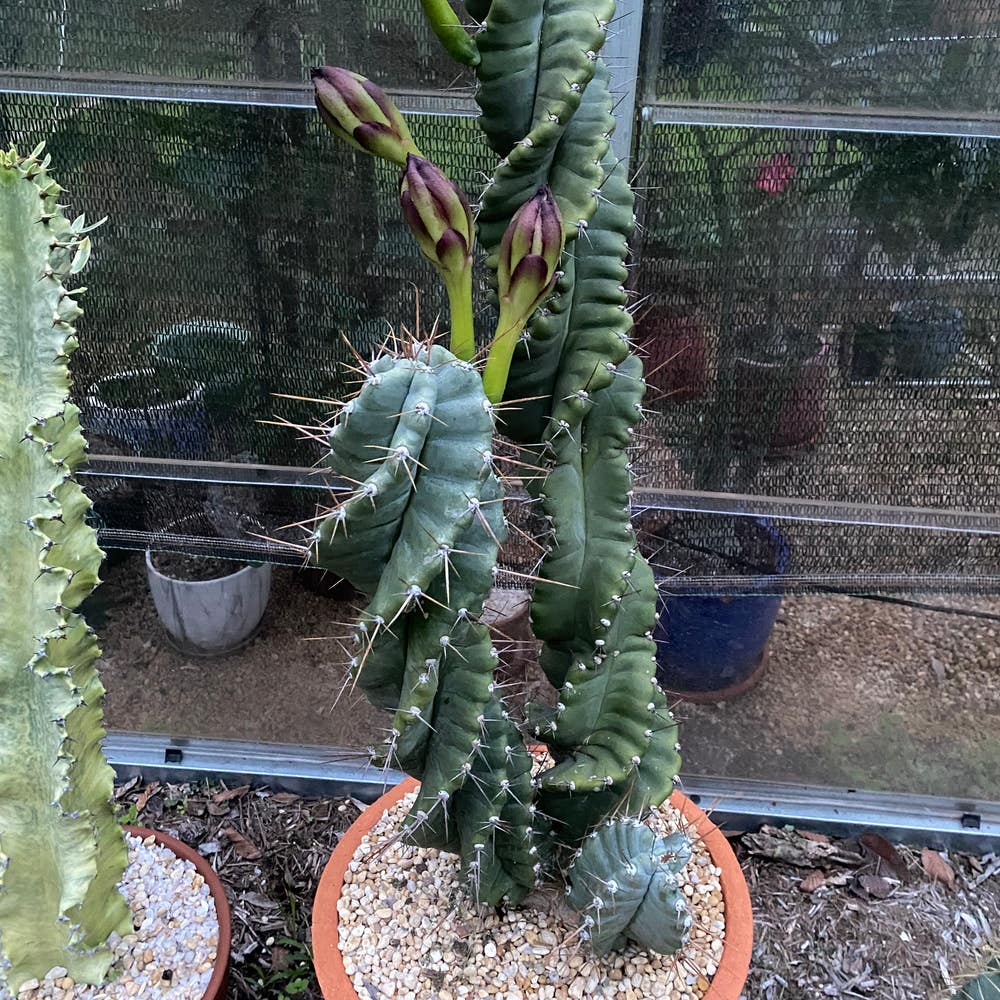
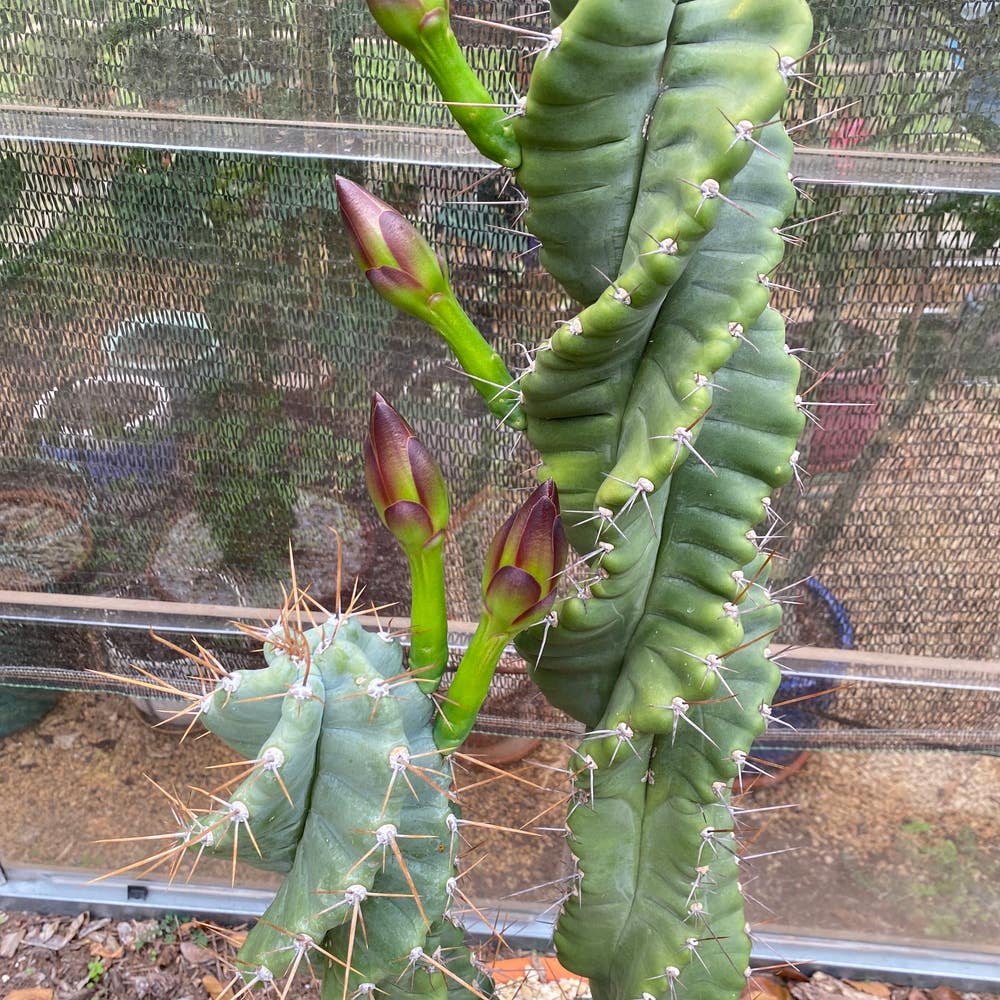
Cereus forbesii 'Spiralis'
By the Greg Editorial Team
Sep 30, 2024•5 min read
This article was created with the help of AI so we can cover more plants for you. May contain errors. See one? Report it here.
- 🌱 Choose the right pot size: 2-10 inches based on cactus growth stage.
- 🏺 Clay pots offer stability but need frequent watering; plastic retains moisture.
- 🚫 Ensure proper drainage: 3-5 holes prevent root rot and promote healthy growth.
Pot Size for Different Growth Stages
🌱 Seedling Stage
For your spiral cactus during the seedling stage, a pot size of 2-4 inches in diameter is ideal. This size promotes root development while preventing excess soil moisture, which can be detrimental to young plants.
🐣 Juvenile Stage
As your cactus transitions to the juvenile stage, opt for a pot that measures 4-6 inches in diameter. This provides enough space for expanding roots while maintaining a balanced moisture level, crucial for healthy growth.
🌵 Mature Stage
When your cactus reaches maturity, a pot size of 6-10 inches in diameter is recommended. This larger size ensures stability and ample room for growth, helping to prevent the plant from becoming top-heavy and tipping over.
📏 General Guideline
A good rule of thumb is to increase the pot size by 1-2 inches in diameter as your cactus grows. This gradual adjustment helps accommodate its expanding root system without overwhelming it with excess soil.
Understanding these size requirements is essential for nurturing a thriving spiral cactus. Next, let’s explore the ideal pot materials that can further enhance your plant's growth.
Ideal Pot Materials
🌱 Clay Pots
Clay pots are a fantastic choice for your spiral cactus. Their breathable material allows moisture to evaporate, which helps prevent overwatering.
However, this means you'll need to water more frequently. The heavyweight of clay also provides stability, ensuring your cactus stands tall without toppling over.
🧴 Plastic Pots
Plastic pots are lightweight and easy to handle, making them a popular option. They retain moisture longer than clay, which can be beneficial in drier conditions.
Just make sure your plastic pots have adequate drainage holes. This is crucial to prevent root rot, which can be a real issue if water accumulates.
🍂 Terracotta Pots
Terracotta pots offer excellent drainage properties, making them ideal for cacti. Their aesthetic appeal beautifully complements the spiral shape of your cactus, adding a touch of charm to your space.
On the downside, terracotta can dry out quickly. It's essential to monitor your watering closely to keep your cactus thriving.
In summary, choosing the right pot material is vital for your cactus's health. Each option has its benefits and considerations, so select one that aligns with your watering habits and environment.
Next, let’s dive into the critical drainage considerations to keep your cactus happy and healthy.
Drainage Considerations
Importance of Drainage Holes 🌧️
Proper drainage is crucial for your spiral cactus's health. To prevent water accumulation, ensure your pot has at least 3-5 small holes for optimal drainage.
Impact on Root Health 🥳
Good drainage is your cactus's best friend. It prevents root rot from stagnant water and keeps fungal infections at bay, which thrive in overly moist conditions.
Signs of Poor Drainage 🚨
Keep an eye out for symptoms that signal drainage issues. Yellowing or wilting leaves can indicate trouble, while mushy roots with a foul smell are clear signs of root rot. Additionally, mold growth on the soil surface is a red flag that your cactus needs immediate attention.
By understanding these drainage considerations, you can create a thriving environment for your spiral cactus. Next, let’s explore the best practices for repotting your cactus to ensure it continues to flourish.
Repotting Spiral Cactus
🕒 When to Repot
Repotting your spiral cactus is essential for its health. Look for signs like roots pushing through drainage holes, soil that’s lost nutrients or compacted, or if the cactus has outgrown its pot—typically every 2-3 years.
🪴 Choosing the Right Pot
Selecting the right pot is crucial. Aim for a pot that is 1-2 inches larger in diameter than the current one to give your cactus room to grow.
Material Considerations
The material of the pot matters too. Use clay pots for arid climates and plastic pots for humid environments to match your watering habits.
📋 Step-by-Step Guide to Repotting
Follow these steps for a successful repotting experience:
Gather Materials: You’ll need a new pot, cactus soil, gloves, and a trowel.
Remove the Cactus: Gently loosen the soil around the edges and use gloves to protect your hands from spines.
Inspect Roots: Check the roots and trim any dead or rotting ones with sterilized scissors.
Prepare the New Pot: Add a layer of gravel or small stones at the bottom for drainage.
Fill with Cactus Soil: Leave enough space for the cactus to sit at the same soil level as before.
Position the Cactus: Center it in the pot and fill in with soil, firming it gently.
Water Lightly: Water the cactus lightly to allow the soil to settle without saturating it.
By following these steps, you’ll ensure your spiral cactus has the best chance to thrive in its new home. Now that you’re equipped with repotting knowledge, let’s explore common mistakes in pot selection to avoid pitfalls.
Common Mistakes in Pot Selection
Overly Large or Small Pots 🌱
Choosing the right pot size is crucial for your spiral cactus's health. Large pots can hold excess soil, which retains too much moisture and leads to root rot.
Conversely, small pots restrict root growth and nutrient uptake. This can stunt your cactus's development, leaving it vulnerable and unhappy.
Using Non-Draining Materials 🚫
Opting for solid plastic or ceramic pots can be a recipe for disaster. These materials often trap water, resulting in poor drainage and serious root health issues.
Your cactus thrives on good airflow and drainage, so always prioritize pots that allow excess water to escape.
Ignoring Growth Stage Needs 📏
Failing to adjust pot size as your cactus grows is a common oversight. Each growth stage requires a different pot size to support healthy development.
Regularly reassess your cactus's needs to ensure it has the space to flourish. This simple step can make a world of difference in its overall health and vitality.
⚠️ Safety First
This content is for general information and may contain errors, omissions, or outdated details. It is not medical, veterinary advice, or an endorsement of therapeutic claims.
Always consult a qualified healthcare professional before using any plant as food, medicine, or supplement.
Never eat any plant (or feed one to pets) without confirming its identity with at least two trusted sources.
If you suspect poisoning, call Poison Control (800) 222-1222, the Pet Poison Helpline (800) 213-6680, or your local emergency service immediately.
Spotted an error? Please report it here.
Keep your spiral cactus thriving 🌱 by choosing the right pot and let Greg provide you with tailored care tips and watering reminders for ultimate success!