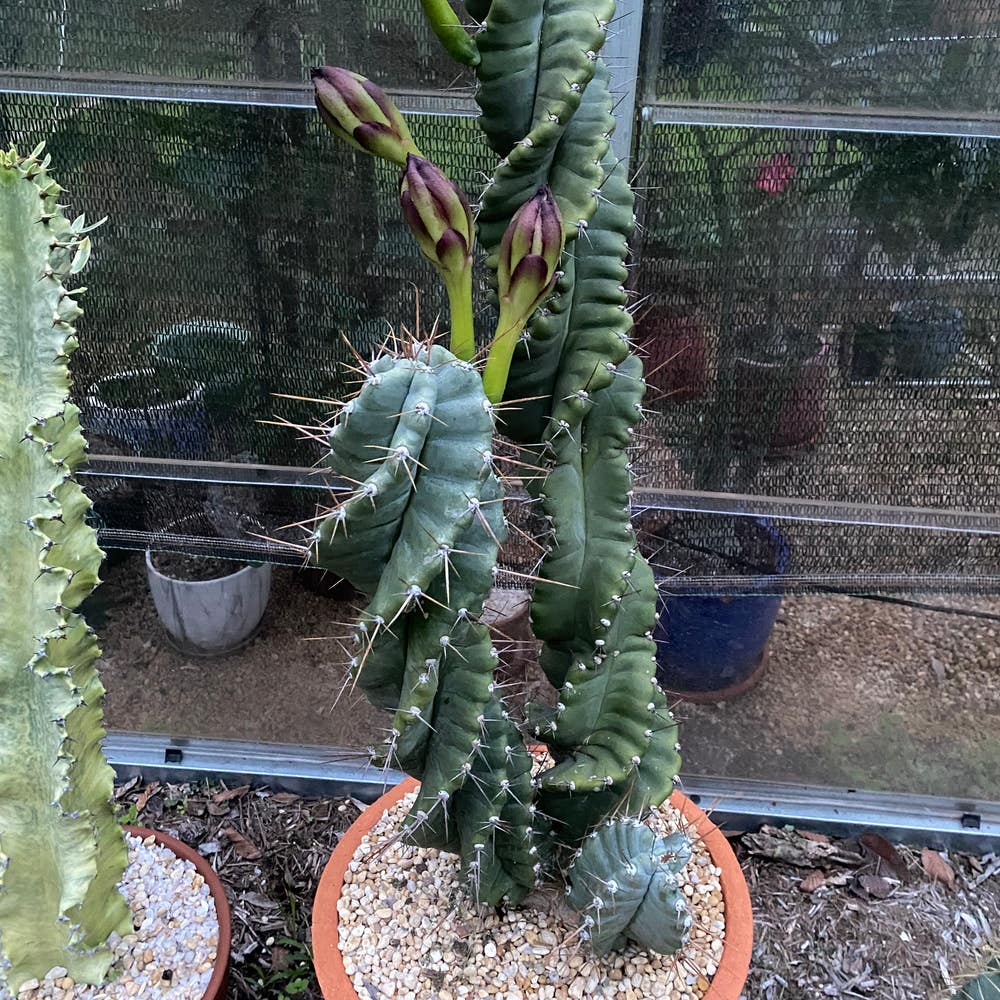
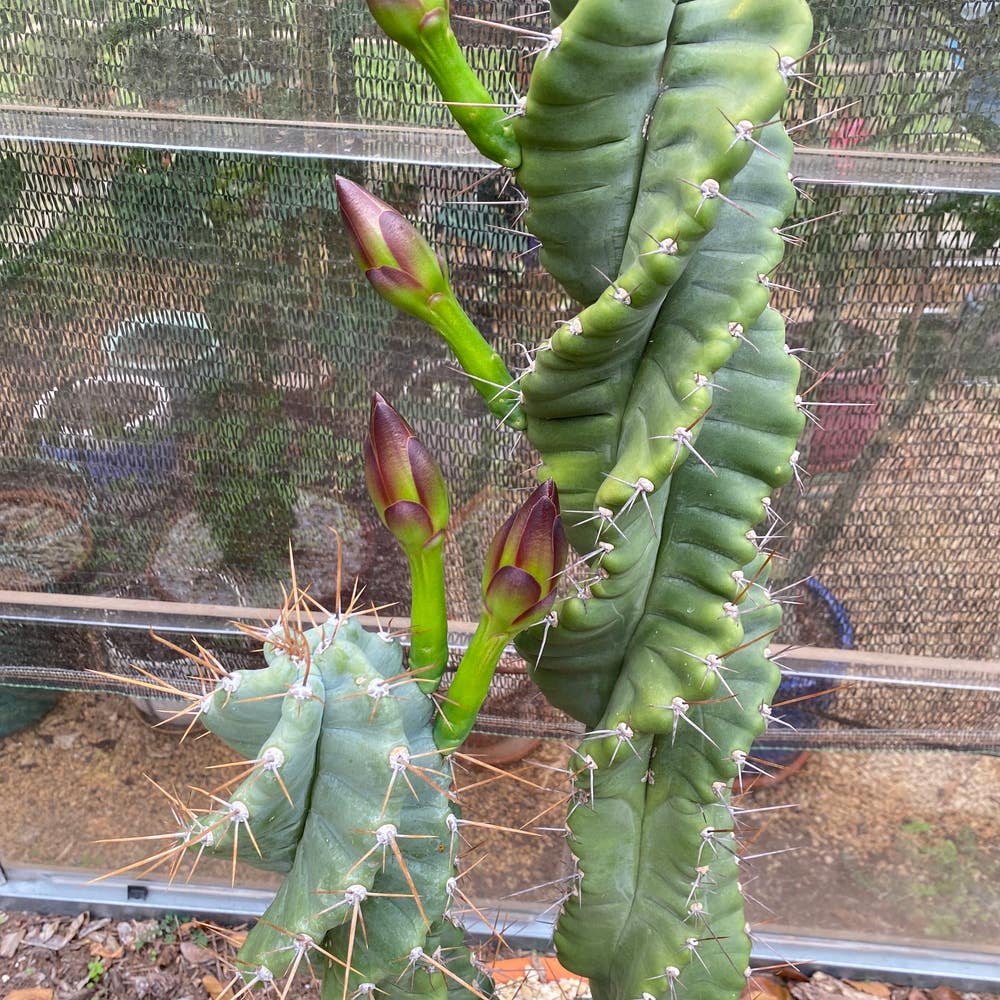
Common Spiral Cactus Problems
Cereus forbesii 'Spiralis'
By the Greg Editorial Team
Jun 18, 2024•4 min read
This article was created with the help of AI so we can cover more plants for you. May contain errors. See one? Report it here.
- Over/under-watering? Check soil dryness and ensure proper drainage.
- Bright, indirect light and 15-23ºC keep Spiral Cactus happy.
- Pests and sunburn? Regular checks and gradual sun exposure are key.
Water Woes: Too Much or Too Little
🕵️ Spotting the Signs
Identifying over-watering symptoms in your Spiral Cactus is like playing plant detective. Look for yellowing leaves or a pot that feels heavier than it should. A funky smell? That's your cactus crying out for help. On the flip side, under-watering makes your cactus look deflated, with brown tips and a light pot. It's begging for a drink.
Finding the Balance
Watering your Spiral Cactus isn't rocket science, but it does require some finesse. Forget the calendar; use your finger to test the soil's dryness. If it's dry an inch down, it's time to water. Drainage is your best friend here—water should flow out freely, so make sure those pots have holes. In the hotter months, a cup of water every two weeks should do the trick, but ease up when the weather cools down. Remember, overwatering is like throwing a pool party without floaties—nobody wants that.

Light and Temperature Tango
🍃 Reading the Leaves
Recognizing the effects of improper light and temperature is crucial for Spiral Cactus care. Yellow leaves may signal that your cactus is craving more light, while browning tips suggest it's getting too much heat. A cactus that's too cold might halt growth or appear deflated, and one that's too hot could show signs of discoloration or wilting.
🌅 Setting the Stage
Creating the ideal light and temperature environment is like setting up a backstage for a rockstar—get it right, and the performance is flawless. Aim for bright, indirect light, steering clear of the harsh midday sun that can lead to leaf scorching. Keep the temperature consistent, ideally between 15-23ºC, to avoid stressing your cactus. Remember, no sudden temperature swings—they're about as welcome as a downpour at an outdoor concert.

The Unwelcome Guests: Pests
🐜 Catching the Culprits
Pests see your Spiral Cactus as an all-you-can-eat buffet. Aphids, scales, and mealybugs are the main culprits. They're not just mooching off your plant; they're damaging it. Check for sticky residue, cotton-like fluff, or tiny bugs. Flip those leaves; pests love a good underside hideout.
🚪 Eviction Tactics
Time to roll up your sleeves. Insecticidal soap or neem oil are your go-to bouncers, showing pests the exit. For a more subtle approach, a soapy water mixture can dislodge the freeloaders. If they're stubborn, systemic insecticides are the secret service agents that protect from the inside out. Remember, always read labels—your cactus's life depends on it.
Prevention beats cure every time. Keep your plant's environment clean and inspect regularly. Consider a fine mesh barrier to keep flying pests from turning your cactus into their personal condo. And if you're dealing with fungus gnats or fruit flies, let the soil dry out between waterings to crash their party.

Fungal Fiascos and Root Rot
🍄 Mold and Rot Recognition
Identifying fungal issues and root rot in your Spiral Cactus is like playing detective with a plant. Yellowing at the base, soft spots, and a squishy core are the cactus crying out for help. Mushy roots and brown lesions are the equivalent of a red alert. A musty smell? That's the scent of trouble. White or tan strands on the roots or a spore mat are the fungus's calling card.
💼 Salvage and Save
When your Spiral Cactus shows signs of a fungal shindig, it's time to crash the party. Isolate the plant to prevent the spread. Trim away the rotted parts with sterilized scissors—think plant surgery, not a haircut. Let the healthy tissue be. Clean the pot with a bleach solution if reusing, and always repot with fresh, well-draining soil. Consider a fungicide as a temporary fix, but don't rely on it as a cure-all. Prevention is key, so keep that moisture meter handy and avoid overwatering like it's a cactus's worst nightmare.
Sunburn and Leaf Scorching
🌵 Symptoms of a Sunburnt Cactus
A Spiral Cactus with sunburn may exhibit discolored patches ranging from pale yellow to crispy brown. These marks typically appear on the most sun-exposed areas. If your cactus is sporting a new tan that leans more towards a bleached white or a barbecue brown, it's crying out for less sun. Crispiness to the touch is another telltale sign; it's not just seeking attention—it's been overexposed.
🌞 Soothing the Burn
To prevent your Spiral Cactus from turning into a desert crisp, gradual sun acclimation is key. Start with a mix of sun and shade, and watch for pale spots as signs to dial back the rays. If sunburn strikes, move your cactus to a shadier spot pronto. For larger, immovable cacti, consider a shade cloth during peak solar intensity. Remember, while a Spiral Cactus can handle some heat, it's not trying to compete with your sunbathing record. Keep it cool, keep it shaded, and your cactus will keep its cool, too.
⚠️ Safety First
This content is for general information and may contain errors, omissions, or outdated details. It is not medical, veterinary advice, or an endorsement of therapeutic claims.
Always consult a qualified healthcare professional before using any plant as food, medicine, or supplement.
Never eat any plant (or feed one to pets) without confirming its identity with at least two trusted sources.
If you suspect poisoning, call Poison Control (800) 222-1222, the Pet Poison Helpline (800) 213-6680, or your local emergency service immediately.
Spotted an error? Please report it here.
Avoid the common pitfalls of Spiral Cactus care by letting Greg provide customized care reminders 🌵, ensuring your plant gets the right amount of water, light, and pest prevention for optimal health.