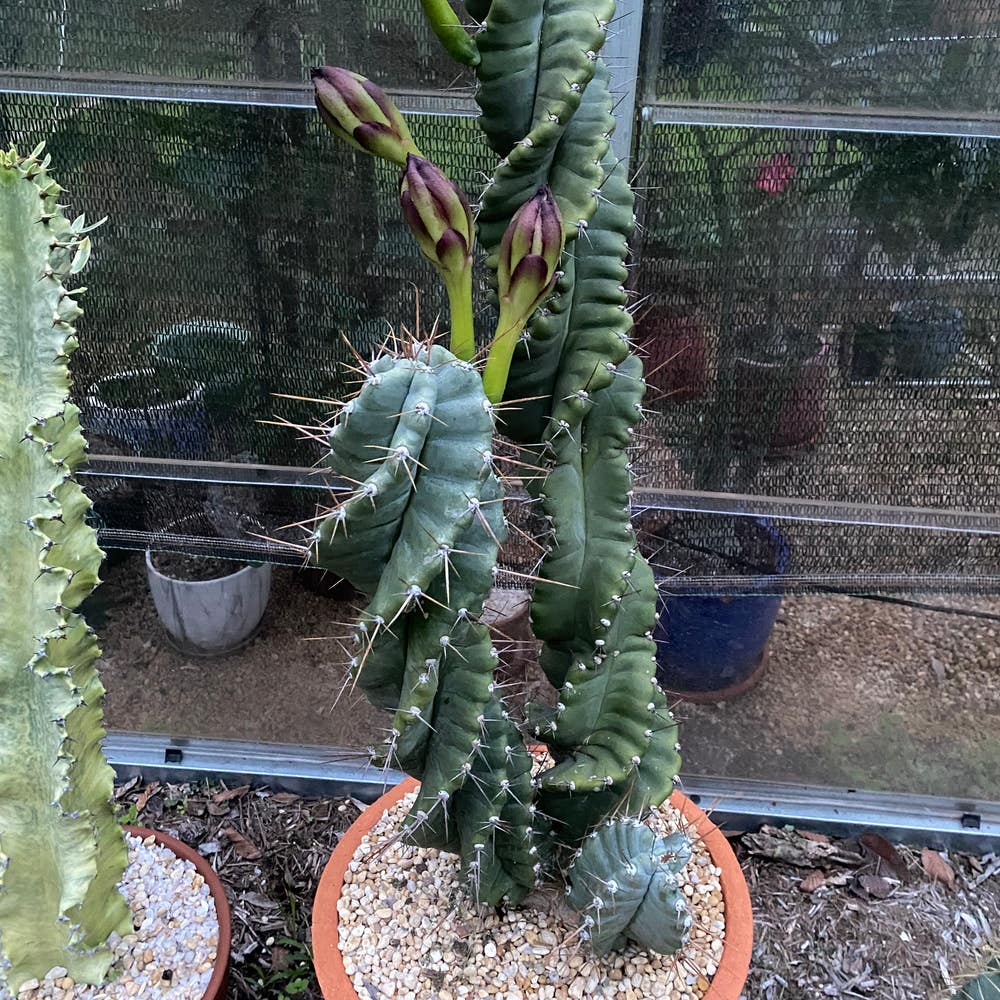
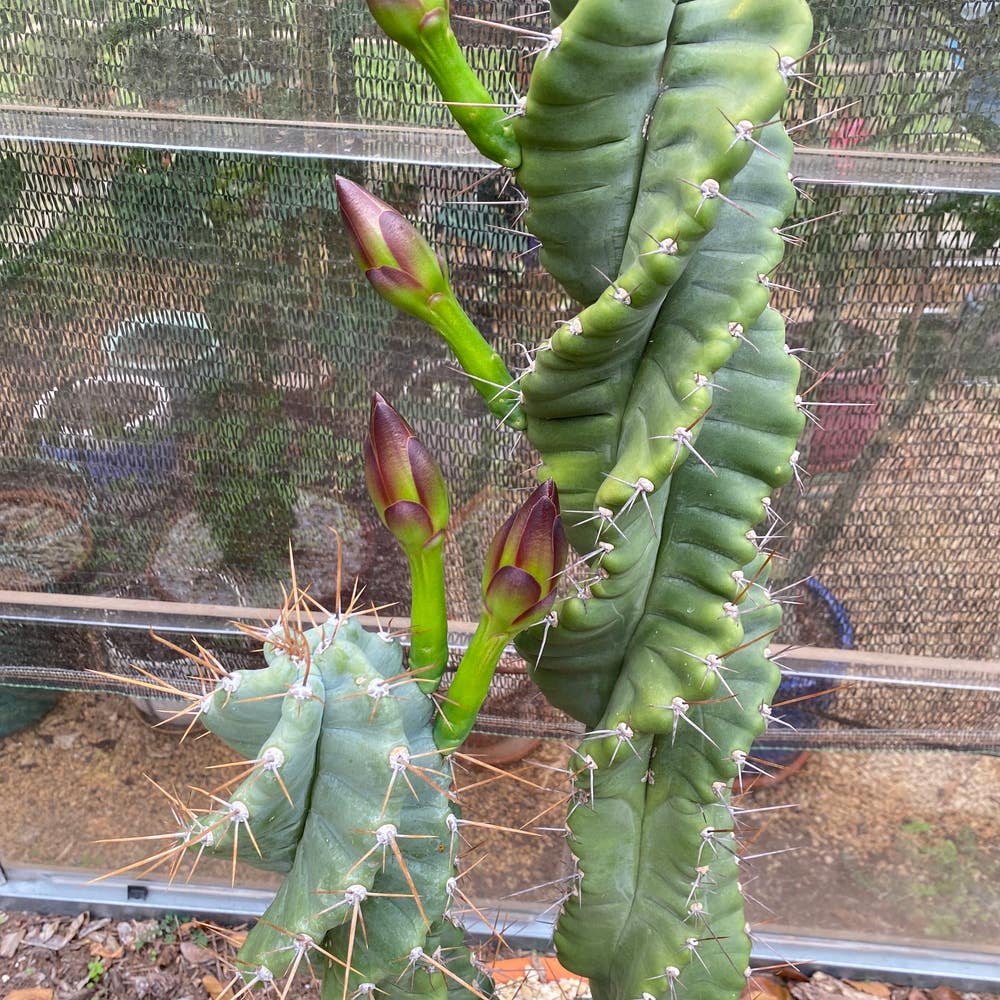
🌵 Top 7 Signs Your Spiral Cactus is Stressed in Winter
Cereus forbesii 'Spiralis'
By the Greg Editorial Team
Sep 30, 2024•6 min read
This article was created with the help of AI so we can cover more plants for you. May contain errors. See one? Report it here.
- 🌵 Spiral cacti retain spines in winter, helping them survive harsh conditions.
- 💧 Yellowing spines signal overwatering or low light, indicating health issues to address.
- ❄️ Wilting or mushy texture means stress, often from cold or excessive moisture.
Winter Behavior of Spiral Cactus
🌲 Evergreen characteristics during winter
Spiral cacti are evergreen, meaning they retain their spines and structural integrity throughout the winter months. This resilience is crucial as it helps them survive in harsh conditions.
💧 Importance of water storage
During dormancy, these cacti utilize their stored water effectively. This ability allows them to endure periods of low moisture without succumbing to stress.
🌵 Adaptations to arid conditions
Spiral cacti are perfectly adapted to thrive in arid environments. Their unique characteristics enable them to conserve water and withstand extreme temperatures, making them fascinating survivors of the plant world.
Understanding these traits is essential for any cactus enthusiast. Recognizing how your spiral cactus behaves in winter sets the stage for identifying signs of stress and ensuring its health.
Signs of Stress in Winter
Yellowing or Browning of Spines 🌼
When your spiral cactus shows yellowing or browning spines, it’s often a sign of insufficient light or overwatering. This discoloration can indicate underlying health issues that need immediate attention.
Wilting or Shriveling Appearance 😟
A wilting or shriveled appearance is another red flag. This usually results from a lack of water or exposure to extreme cold, leading to a noticeable shrinking size and loss of turgor.
Soft or Mushy Texture 🥴
If your cactus feels soft or mushy, it’s likely suffering from overwatering, which can lead to root rot. This compromised texture not only affects the plant's health but also its structural integrity.
Stunted Growth or Lack of New Growth 🚫
Stunted growth or a complete lack of new spines during winter is a clear indicator of stress. Monitoring for these signs is crucial, as early detection can help you take corrective measures before it’s too late.
Recognizing these signs of stress is vital for maintaining the health of your spiral cactus during the winter months. By addressing these issues promptly, you can ensure your cactus thrives even in challenging conditions.
Winter Care Requirements
🌊 Adjusting watering schedule for winter
Watering your Spiral Cactus during winter is crucial for its health. The key is to water only when the soil is completely dry, preventing root rot.
Watch for signs of overwatering, such as yellowing spines and a mushy texture. These indicators can signal that your cactus is struggling, so adjust your watering habits accordingly.
🥬 Fertilizing needs during dormancy
During the winter months, it's generally best to avoid fertilizing your cactus. This plant enters a dormant phase, and adding fertilizer can do more harm than good.
However, if you notice unexpected growth, a diluted fertilizer can be beneficial. Just be cautious and use it sparingly to avoid stressing the plant further.
☀️ Importance of light exposure in winter
Light exposure is vital for your Spiral Cactus's well-being in winter. Aim for bright, indirect sunlight to keep it thriving during the colder months.
Inadequate light can lead to weak growth and stress signs. Make sure your cactus is positioned where it can soak up the necessary light without being overwhelmed.
As you care for your Spiral Cactus this winter, remember that small adjustments can make a big difference. With the right watering, fertilizing, and light exposure, your cactus will be well-prepared for the upcoming spring.
Frost Protection Strategies
Indoor vs. Outdoor Placement 🌵
Indoor placement is often the best choice for your Spiral Cactus during winter. It helps maintain warmth and humidity, creating a cozy environment for your plant.
Outdoor care requires more vigilance. You’ll need to monitor temperature drops closely to prevent frost damage.
Using Protective Coverings 🛡️
When extreme cold spells hit, protective coverings can be a lifesaver. Options like frost cloths, burlap, or blankets can shield your cactus from harsh conditions.
Make sure to cover your plants during these cold snaps. This simple step can make a significant difference in their survival.
Temperature Thresholds for Spiral Cactus 🌡️
Spiral Cacti thrive best when temperatures stay above 10°C (50°F). Keeping them within this safe range is crucial for their health.
Watch for signs of frost damage, such as blackened or mushy areas on the cactus. These indicators signal that your plant needs immediate attention.
By taking these precautions, you can help your Spiral Cactus weather the winter months. Next, let’s explore how to recover from any potential winter damage.
Recovery from Winter Damage
🌨️ Identifying and treating frostbite
Frostbite can be a serious issue for your Spiral Cactus. Look for darkened areas and a mushy texture, which are clear signs of damage.
To treat frostbite, carefully remove any affected areas. Allow the cactus to dry out completely before resuming regular care.
🌱 Steps for reviving a stressed Spiral Cactus
- Assess damage: Start by checking for signs of rot or stress. This will help you understand the extent of the problem.
- Adjust care: Reduce watering to prevent further stress and increase light exposure to encourage recovery.
- Monitor recovery: Keep an eye out for new growth and a return to a firm texture, which indicates improvement.
🌟 Signs of recovery to look for
Watch for the appearance of fresh spines or shoots as a sign that your cactus is bouncing back. A firm texture is another positive indicator, showing that your plant is regaining its health after the stress of winter.
As you nurture your Spiral Cactus back to health, remember that patience is key. With the right care, it will thrive again, ready for the vibrant growth of spring.
Spring Preparation
Transitioning Care as Temperatures Rise 🌡️
As winter fades, it's time to adjust your care routine for your Spiral Cactus. Start gradually increasing watering when temperatures consistently exceed 15°C (59°F).
Be mindful of light exposure too. Gradually introduce more sunlight to avoid shocking your cactus, which can lead to stress.
Reassessing Watering and Fertilizing Schedules 💧
With the arrival of spring, your watering frequency should also change. Increase watering as growth resumes, ensuring the soil dries out completely between sessions.
When it comes to fertilizing, begin a monthly feeding schedule with diluted fertilizer. This will provide the nutrients your cactus needs to thrive.
Preparing for New Growth and Blooming 🌼
Look for signs that your Spiral Cactus is ready to spring back to life. New spines and active growth are excellent indicators of readiness.
Proper care during this time is crucial. It ensures that your cactus not only survives but blooms beautifully in the upcoming season.
With these adjustments, your Spiral Cactus will be well-prepared to flourish as the warmer months approach. Next, let’s explore how to identify and treat any winter damage your cactus may have sustained.
⚠️ Safety First
This content is for general information and may contain errors, omissions, or outdated details. It is not medical, veterinary advice, or an endorsement of therapeutic claims.
Always consult a qualified healthcare professional before using any plant as food, medicine, or supplement.
Never eat any plant (or feed one to pets) without confirming its identity with at least two trusted sources.
If you suspect poisoning, call Poison Control (800) 222-1222, the Pet Poison Helpline (800) 213-6680, or your local emergency service immediately.
Spotted an error? Please report it here.
Recognize your spiral cactus's winter stress signs and help it thrive 🌵 with Greg's tailored watering reminders and care tips, ensuring a strong recovery come spring!