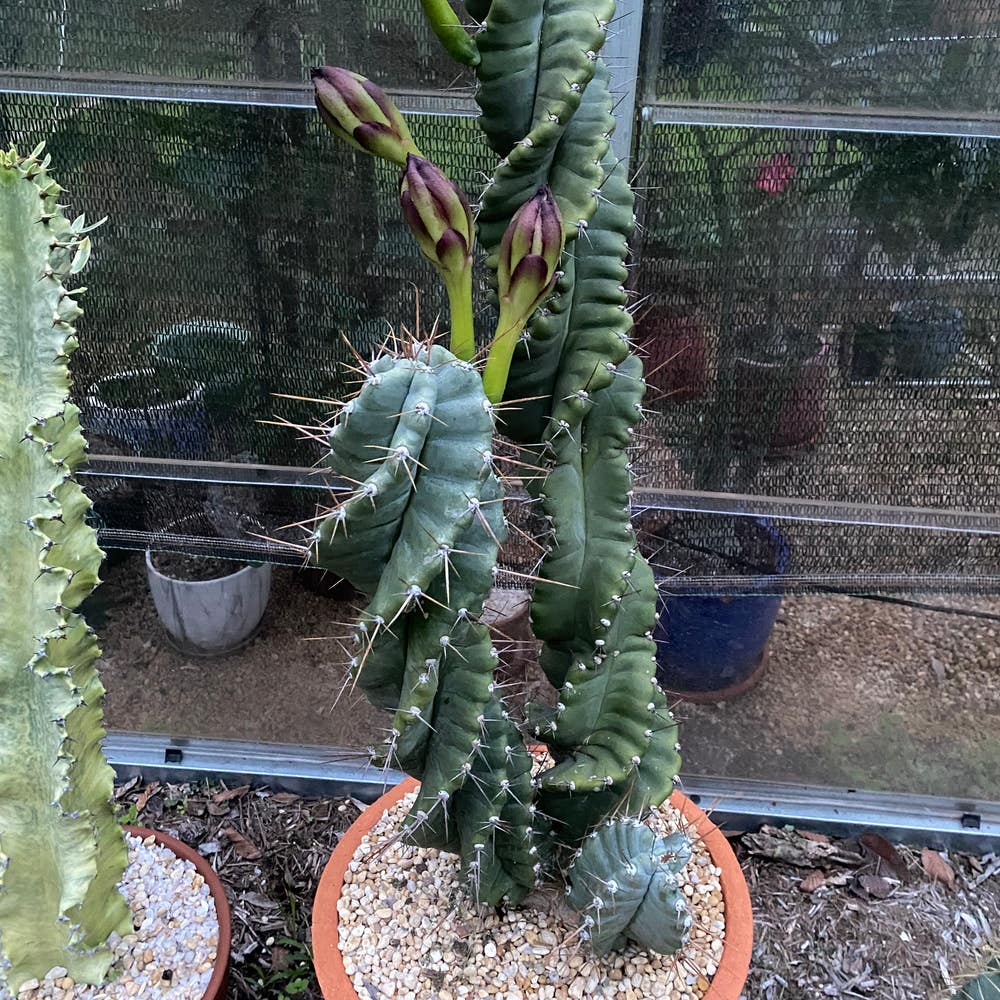
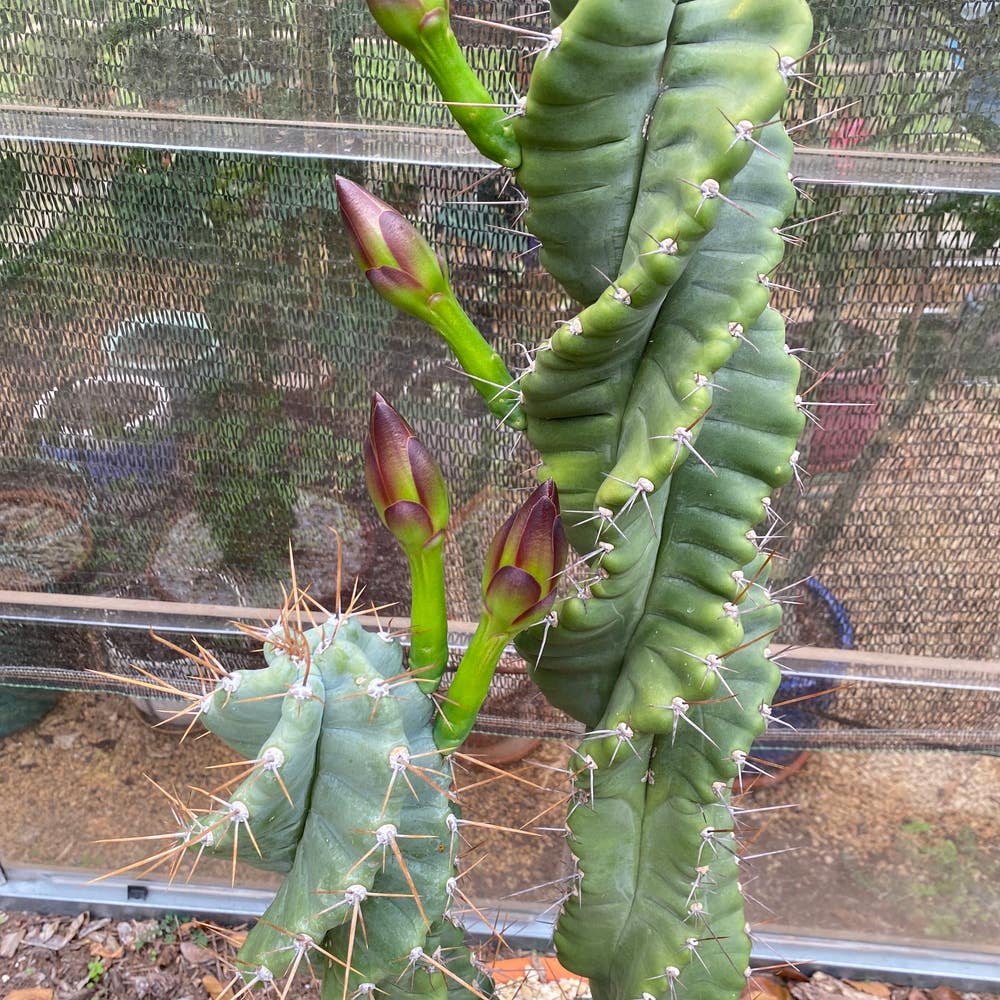
🌵 Spiral Cactus Is Not Considered a Weed
Cereus forbesii 'Spiralis'
By the Greg Editorial Team
Sep 30, 2024•4 min read
This article was created with the help of AI so we can cover more plants for you. May contain errors. See one? Report it here.
- 🌵 Spiral cactus grows up to 6 feet, perfect for garden designs and drought areas.
- 🐝 Attracts pollinators and provides habitat, enhancing local biodiversity and ecosystems.
- 🌞 Requires minimal water and thrives in well-draining soil, ideal for xeriscaping.
Growth Habits
Typical Patterns 🌵
The spiral cactus is a striking plant that can reach impressive heights of up to 6 feet. Its slow growth rate makes it an excellent choice for garden designs, allowing for easy integration without overwhelming the space.
Natural Limits ☀️
This cactus thrives in well-draining soil and loves basking in full sun. With minimal water needs, it's perfect for drought-prone areas, but keep in mind that its growth can be limited by environmental factors like temperature and soil type.
Understanding these growth habits can help you appreciate the spiral cactus's unique place in your garden. As we explore its ecological role, you'll see how it contributes to a vibrant ecosystem.
Ecological Role
🌼 Benefits in Ecosystems
The spiral cactus plays a vital role in enhancing local biodiversity. By attracting pollinators like bees and butterflies, it supports a thriving ecosystem.
Additionally, this cactus provides essential habitat for small wildlife and beneficial insects. These creatures find refuge among its unique structure, contributing to a balanced environment.
🦜 Positive Interactions
Beyond its beauty, the spiral cactus serves as a food source for various species. Birds and insects rely on its nutrients, creating a web of life around it.
Moreover, it contributes to soil stabilization and nutrient cycling. Its roots help anchor the soil, preventing erosion and promoting healthy plant growth in its vicinity.
Incorporating the spiral cactus into your garden not only beautifies the space but also fosters a vibrant ecosystem. This makes it a fantastic choice for environmentally conscious gardeners looking to make a positive impact.
As we explore garden management next, consider how to best integrate this remarkable plant into your landscape.
Garden Management
Incorporating into Designs 🌵
The Spiral Cactus can serve as a stunning focal point in your garden. Its unique spiral shape makes it a standout choice for rock gardens, where it can thrive alongside other drought-tolerant plants.
Pairing it with similar species not only enhances visual appeal but also creates a cohesive aesthetic. This combination can transform your garden into a vibrant, low-maintenance oasis.
Controlling Growth ✂️
To keep your Spiral Cactus looking its best, regular pruning is essential. This practice helps maintain its desired shape and size, ensuring it remains a striking feature in your landscape.
Additionally, planting these cacti at least 3 feet apart allows for their natural growth. This spacing prevents overcrowding and promotes healthy development, making your garden both beautiful and functional.
As you consider incorporating the Spiral Cactus into your garden, remember that thoughtful design and maintenance can lead to a thriving, visually appealing space. Next, let’s explore how this unique plant compares to other non-invasive options.
Comparison to Other Plants
🌵 Similar Non-Invasive Options
When considering plants that share the spiral cactus's growth habits, other cacti and succulents come to mind. Varieties like the Echinocactus and Agave not only offer similar aesthetic appeal but also thrive in similar conditions, making them excellent companions in your garden.
These plants generally require minimal care, thriving in well-draining soil and full sun. Their slow growth patterns allow for easy integration into various garden designs, ensuring they won’t outgrow their space too quickly.
✨ Unique Qualities
What sets the spiral cactus apart is its distinctive spiral shape, which adds a unique visual element to any landscape. This eye-catching feature can serve as a focal point, drawing attention and admiration.
Additionally, its minimal water needs make it a standout choice for xeriscaping. In a world increasingly focused on sustainability, the spiral cactus not only conserves water but also enhances the overall beauty of drought-resistant gardens.
Incorporating these plants into your garden can create a stunning, low-maintenance oasis. As we explore garden management next, consider how to best utilize these unique qualities for a thriving ecosystem.
Legal and Environmental Considerations
📜 Classifications and Guidelines
When planting spiral cacti, it's essential to be aware of local regulations regarding non-invasive species. Many regions encourage the use of native and non-invasive plants to protect local ecosystems.
Sourcing plants from reputable nurseries is crucial. This practice helps ensure you avoid invasive varieties that can disrupt local flora and fauna.
🌱 Sustainable Gardening Practices
Spiral cacti play a significant role in water conservation, making them a perfect fit for sustainable gardening. Their minimal water needs align beautifully with eco-friendly gardening principles.
Incorporating these cacti enhances garden ecosystems while reducing environmental impact. By choosing plants that thrive in your local climate, you contribute to a healthier, more resilient environment.
As you consider your garden design, remember that every choice counts. Opting for non-invasive plants like the spiral cactus not only beautifies your space but also supports local biodiversity.
⚠️ Safety First
This content is for general information and may contain errors, omissions, or outdated details. It is not medical, veterinary advice, or an endorsement of therapeutic claims.
Always consult a qualified healthcare professional before using any plant as food, medicine, or supplement.
Never eat any plant (or feed one to pets) without confirming its identity with at least two trusted sources.
If you suspect poisoning, call Poison Control (800) 222-1222, the Pet Poison Helpline (800) 213-6680, or your local emergency service immediately.
Spotted an error? Please report it here.
Transform your garden with the stunning spiral cactus 🌵, and let Greg guide you with personalized care tips and reminders to ensure your plant thrives while supporting local biodiversity!