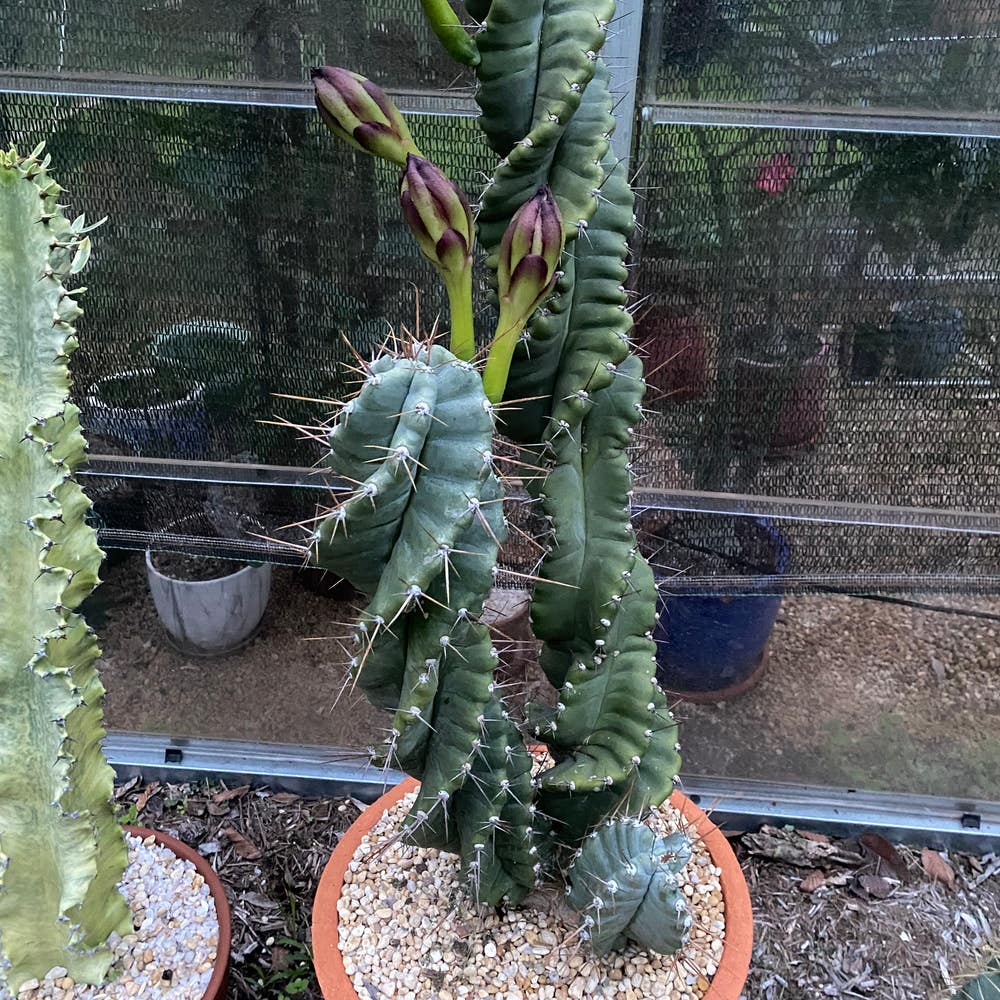
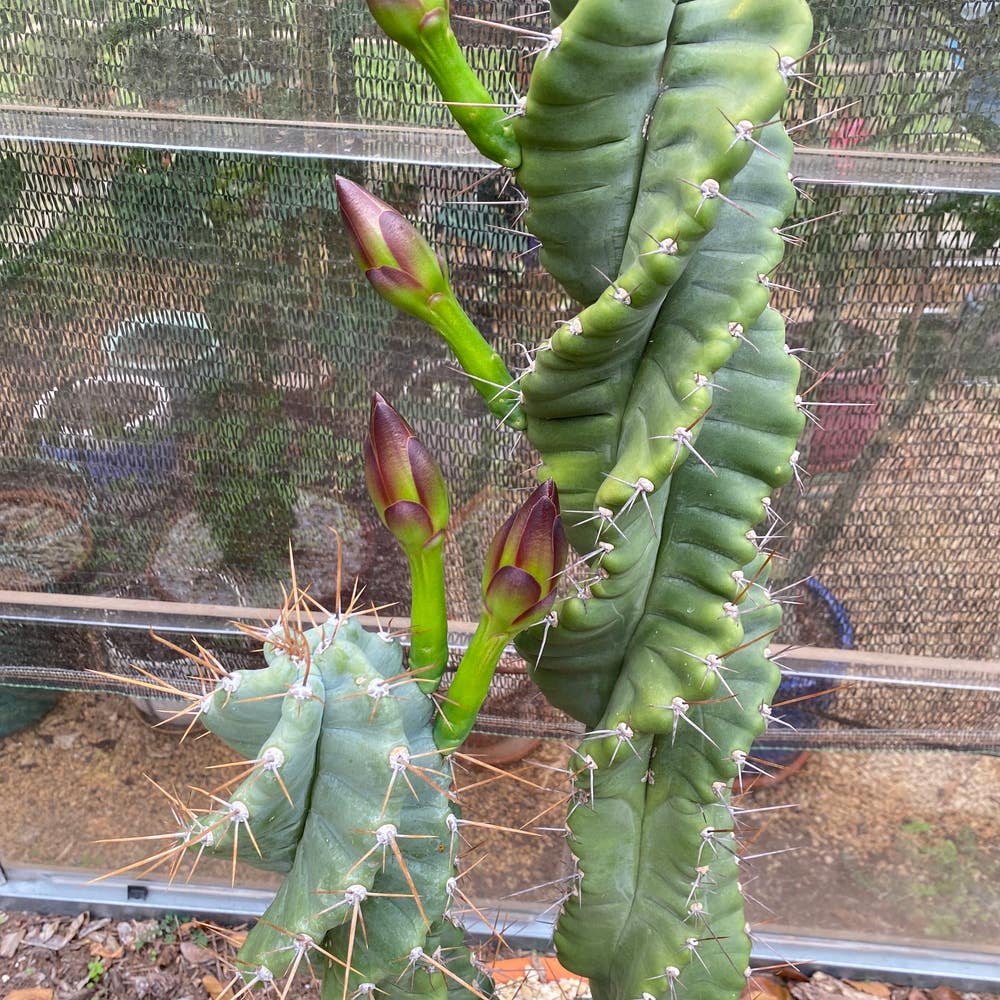
Black Spots on My Spiral Cactus Leaves
Cereus forbesii 'Spiralis'
By the Greg Editorial Team
Jun 18, 2024•4 min read
This article was created with the help of AI so we can cover more plants for you. May contain errors. See one? Report it here.
- Black spots mean trouble; inspect for pests, infections, and environmental issues.
- Immediate action is crucial: isolate, prune, dry out, or apply fungicide/pest treatments.
- Prevent with care: correct watering, cleanliness, and regular cactus check-ups.
Spotting the Culprit: Identifying Black Spots
👀 Visual Inspection
Look closely: Black spots on your Spiral Cactus aren't part of its charm. They're small, dark, and could be less than ⅛ inch across. Unlike natural markings, which are usually uniform, these spots are random and can spread. If they're sporting dark margins or concentric rings, it's not a fashion statement—it's a cry for help.
Flip the leaves: The underside is their favorite hideout. Spots that seem water-soaked or slimy, and give off a foul smell, are likely bacterial. It's like finding mold in your bread bin—unpleasant and a sign to take action.
Common Causes
Bacteria: These are the ninjas, sneaking in through wounds and thriving in wet conditions. They're not just making a mess; they're causing damage.
Fungi: If the spots have a powdery texture, you're dealing with fungal foes. They're like the uninvited guests who leave a mess in your living room.
Pests: Tiny black dots within the spots could be fungal fruiting bodies or evidence of pests. Think of them as freeloaders at your cactus's expense.
Environmental factors: High humidity, still air, and overwatering are prime suspects. It's like leaving your laundry in the washer too long—things will get musty.
Injury: Physical damage can open the door for these issues. It's like leaving your windows open in a storm—things will get in.
Sunburn: Dry, brownish spots with scorched tips? Your cactus might be getting too much sun. It's like forgetting sunscreen at the beach—ouch.
Remember, catching these spots early is like catching a typo before sending an important email—crucial. Spot-check your plant frequently; it's the detective work that keeps your cactus healthy.

First Aid for Your Cactus: Immediate Treatment Steps
🍄 Fungal Foes
Act fast when you notice the telltale signs of a fungal invasion. Isolate your cactus to prevent a full-blown spore party. Prune the affected areas with sterilized tools and apply a proven fungicide, strictly following the label's instructions. Keep the soil on the drier side; fungi despise a drought.
💧 Water Woes
If your cactus is as soggy as a forgotten sponge, it's time to intervene. Cease watering and let the soil dry out completely. Remember, your cactus prefers a desert vibe, so only water when the top inch of soil feels like a dry summer day.
💥 Injury Insights
For physical damage, think clean cuts over jagged tears. Snip off damaged parts with precision and let the cactus dry and callus over before its next watering. It's the plant equivalent of a neat bandage on a scraped knee.
🐜 Pest Patrol
Pests are the uninvited guests at the cactus party. If you spot these freeloaders, it's eviction time. Identify the culprits and show them the door with targeted treatments. Keep an eye out for repeat offenders; pests are notorious for encores.

Nurturing Back to Health: Post-Treatment Care
🌵 Healing Environment
Creating the ideal conditions for your Spiral Cactus to bounce back is crucial. Post-treatment, it's like setting up a recovery room—bright, indirect sunlight is a must. Ensure the pot has drainage holes to avoid soggy soil situations. Keep the temperature consistent, avoiding the extremes of a desert midday or a chilly night. And airflow? Think of it as the cactus's personal fan club—necessary for keeping the atmosphere fresh and disease at bay.
📈 Monitoring Progress
As your cactus embarks on its comeback tour, vigilance is your backstage pass to success. New growth is the encore you're waiting for, a sure sign of health. But keep your eyes peeled for any signs of black spots making an unwanted comeback. If they do, it's time to tweak your care routine faster than a DJ drops a beat. Remember, recovery isn't a sprint; it's a marathon with patience as your running mate.

Keeping the Spots at Bay: Prevention Tactics
💧 Water Wisdom
Watering your Spiral Cactus correctly is like hitting the right notes in a song—it's essential for a good performance. Establish a schedule that allows the soil to dry out completely between waterings. This helps prevent root rot and fungal growth, the villains behind those black spots. Remember, less is more during the cooler months.
🧼 Clean and Quarantine
Hygiene for your cactus is as crucial as it is for your hands during flu season. Keep your cactus clean, and don't shy away from playing the bouncer—quarantine new plants to ensure they're not smuggling in pests. It's like checking IDs at the door; better safe than sorry.
👩⚕️ Regular Check-Ups
Routine inspections of your cactus are the equivalent of regular health check-ups. Catching black spots early is like catching a typo before hitting send—it saves a lot of trouble. Be vigilant and ready to act, because in the world of cacti, the best offense is a good defense.
⚠️ Safety First
This content is for general information and may contain errors, omissions, or outdated details. It is not medical, veterinary advice, or an endorsement of therapeutic claims.
Always consult a qualified healthcare professional before using any plant as food, medicine, or supplement.
Never eat any plant (or feed one to pets) without confirming its identity with at least two trusted sources.
If you suspect poisoning, call Poison Control (800) 222-1222, the Pet Poison Helpline (800) 213-6680, or your local emergency service immediately.
Spotted an error? Please report it here.
Keep your spiral cactus thriving 🌵 by using Greg to prevent black spots with a perfect watering schedule and care tips tailored to your plant's needs!