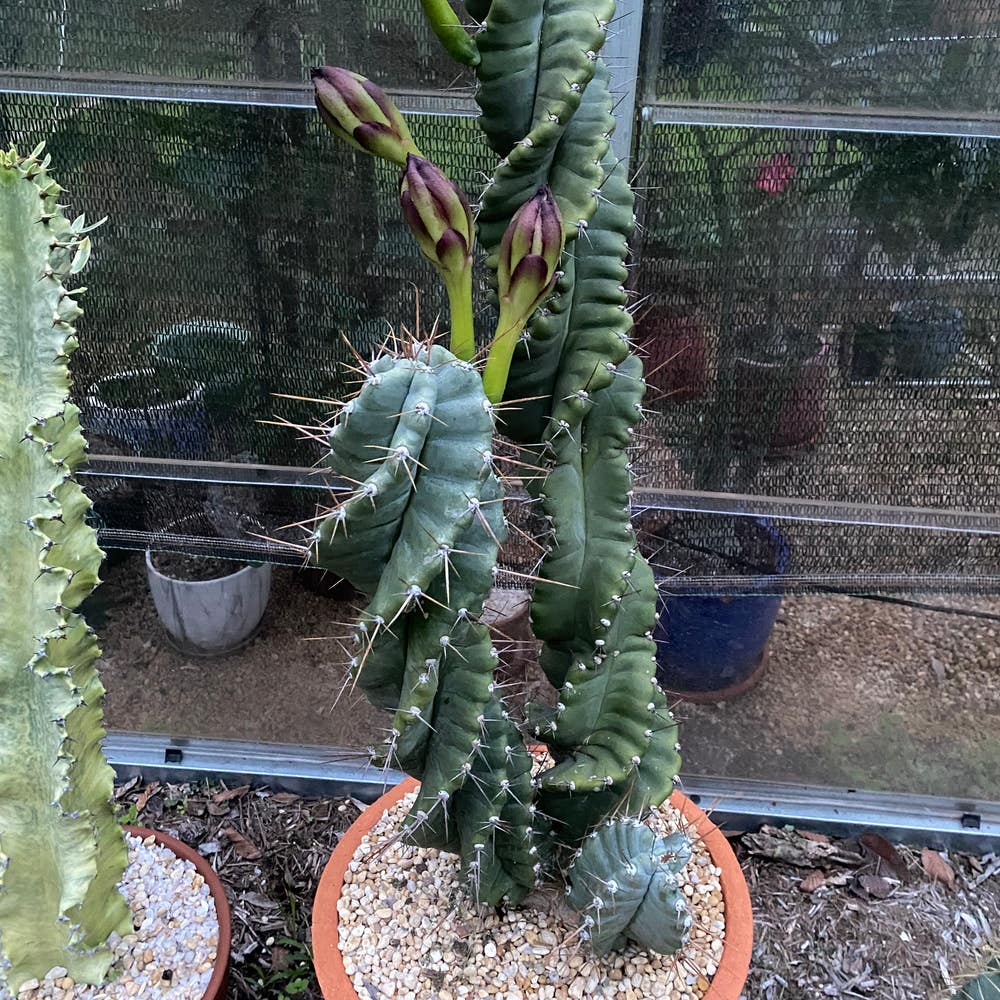
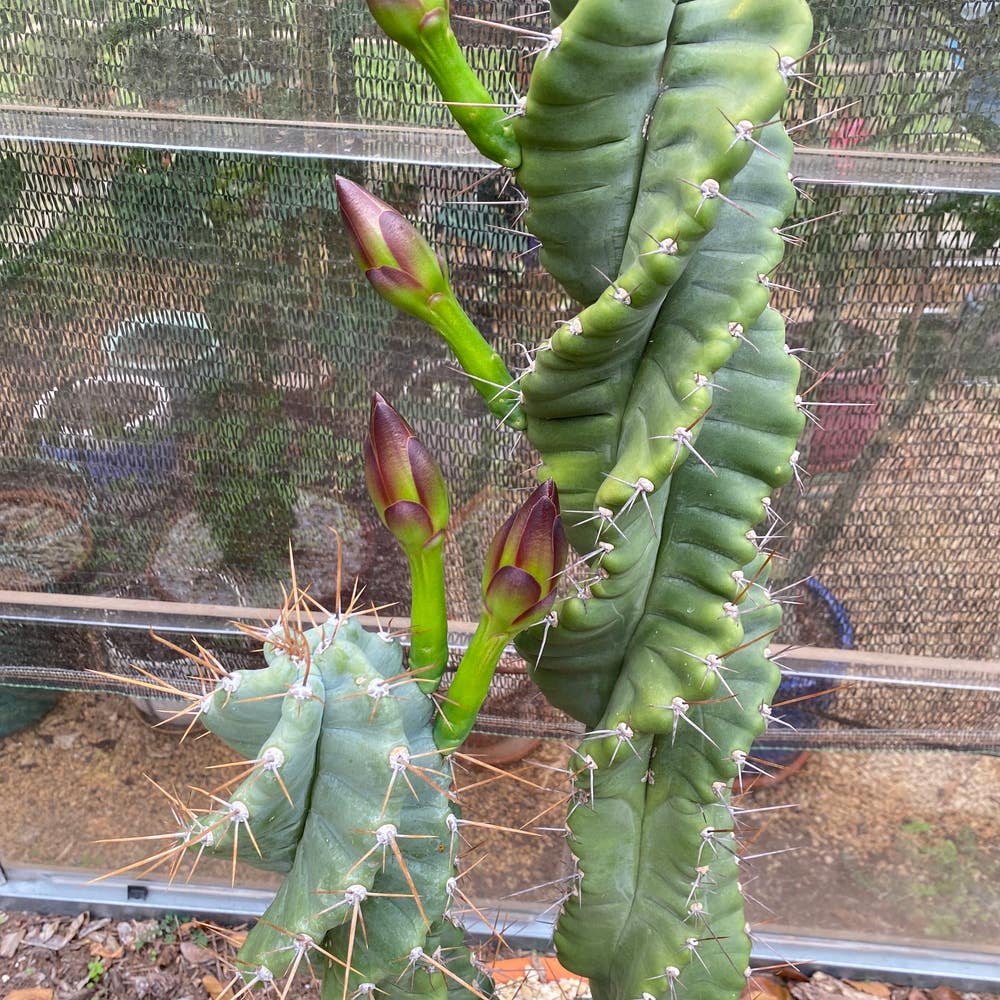
Why Are the Leaves on My Spiral Cactus Turning Yellow?
Cereus forbesii 'Spiralis'
By the Greg Editorial Team
Jun 18, 2024•5 min read
This article was created with the help of AI so we can cover more plants for you. May contain errors. See one? Report it here.
- Yellow leaves signal distress, not just aging, in Spiral Cacti.
- 🌵💧 Balance water and sunlight to prevent yellowing from over/underwatering and sunburn.
- Nutrients and pest control are key to maintaining vibrant green leaves.
When Yellow Means Caution: Identifying the Problem
🚨 Spotting the Signs
Yellow leaves on your Spiral Cactus aren't just a fashion choice; they're a distress signal. It's crucial to observe changes beyond the natural spiral. Look for discoloration or leaves shifting from plump to crispy. These signs indicate it's time for some cactus first aid.
Aging or Ailing?
Yellowing can be tricky—it's either your cactus embracing maturity or sounding the alarm. If it's the older leaves yellowing, they might just be bowing out gracefully. However, if the yellowing is widespread or accompanied by other symptoms like stunted growth, your cactus is likely crying out for help.

Water Woes: Finding the Balance
🌊 Too Much Love
The soggy truth about overwatering is that it's a silent killer. Your Spiral Cactus's leaves turning yellow could be a distress signal, indicating that its roots are more submerged than they should be. Roots need air as much as they need water, and too much H2O suffocates them, leading to yellow, wilted leaves. The soil should feel like a nurturing bed, not a wet sponge.
🏜️ Not Enough H2O
Conversely, underwatering leaves your cactus high and dry. If the leaves are more crispy than a fresh dollar bill, it's time to quench that thirst. The soil should never be bone-dry; aim for a consistent moisture level. Check the top inch of soil; if it's dry, it's time to water. Remember, cacti are desert dwellers, but even they have their limits.

Sunlight and Shadows: Striking the Right Amount
🌞 Sunburn Blues
Too much sun is a no-go for your Spiral Cactus. Sunburn shows up as discolored, crispy patches. It's like your cactus is begging for some sunscreen. If it's looking more fried than a beachgoer without SPF, it's time to intervene.
Move your cactus to a spot with indirect light to stop the sizzle. Sheer curtains can work wonders as a light diffuser if you're dealing with intense rays through a window. Remember, it's about giving your cactus a glow, not a roast.
Finding the Sweet Spot
Your Spiral Cactus needs its sunbathing time, but not all day. Aim for a spot with a mix of sun and shade, providing at least 4 hours of sunlight daily. Watch for pale spots as a sign to turn down the solar dial.
Adjust your cactus's position with the seasons. The sun's angle changes, and so should your plant's location. Keep an eye out for stress signs like discoloration or shrinkage. It's like a dance with the sun, and you're leading.
Indoors, consider grow lights if the sun is playing hard to get. They're like a personal spa for your cactus, minus the risk of a burn. Just make sure to keep the light consistent and not too intense, like a steady beat in a good song.
Remember, your cactus isn't trying to compete with your tan. It's all about finding that perfect spot where it can soak up the rays without turning into a cactus crisp.

Feeding Finesse: Nutrients and Your Cactus
🌵 The Hunger Games
Yellowing leaves on your Spiral Cactus can be a distress signal for nutrient deficiency. Like a car running on fumes, your cactus needs refueling. Iron deficiency often leaves new growth pale and lifeless, while a lack of magnesium shows up as yellow patches between leaf veins. Older leaves turning yellow could point to a sulfur shortage. And if the entire plant is losing its vibrant green, it's likely crying out for nitrogen. Don't ignore these signs; they're as subtle as a sledgehammer.
🍽️ The Perfect Meal Plan
Your cactus isn't asking for a gourmet meal, just the right fertilizer mix. A balanced NPK (nitrogen, phosphorus, potassium) fertilizer is like a well-rounded diet for your spiky friend. But remember, moderation is key—over-fertilizing is as harmful as a junk food binge. Consider the occasional repotting with fresh soil, which can be as refreshing as a cold drink on a hot day. If you're using tap water, switch to filtered or rainwater to avoid salt buildup, which can cause yellowing leaves. Keep an eye on your cactus like it's a moody teenager; changes in appearance often indicate a nutritional need. And if in doubt, a soil test can be more revealing than a tell-all interview.
Bug Battles and Disease Defenses
🐜 Unwanted Guests
Pests and diseases are the silent alarm for your Spiral Cactus. Yellow leaves might signal an SOS.
🦟 Aphids and Mealybugs
These sap-suckers are like unwanted party crashers. Aphids love to feast on your cactus, leaving it yellow and weak. Mealybugs are sneakier, hiding in crevices.
🕷️ Spider Mites and Fungus Gnats
Spider mites create fine webs and cause yellow stippling. Fungus gnats thrive in moist soil, their larvae feasting on roots.
🛡️ The Control Game
Insecticidal soap or neem oil can be your cactus's knights in shining armor. Apply with precision and watch pests wave the white flag.
💡 Prevention is Key
Keeping your Spiral Cactus pest-free is like dodging rain in a thunderstorm—be vigilant.
👀 Regular Inspections
Check your cactus like you'd check your teeth—frequently and with focus. Catch those pests before they throw a party.
🏜️ Environmental Control
Dry topsoil is kryptonite to fungus gnats. Let it dry out between waterings.
🐞 Beneficial Bugs
Deploy ladybugs or predatory mites. They're the pest control ninjas you never knew you needed.
🚫 Quarantine New Plants
New plants can be Trojan horses for pests. Quarantine them to keep your cactus safe.
🌱 Soil and Hygiene
Good soil drainage and cleanliness are your cactus's best friends. Keep things tidy, and pests will think twice before setting up camp.
⚠️ Safety First
This content is for general information and may contain errors, omissions, or outdated details. It is not medical, veterinary advice, or an endorsement of therapeutic claims.
Always consult a qualified healthcare professional before using any plant as food, medicine, or supplement.
Never eat any plant (or feed one to pets) without confirming its identity with at least two trusted sources.
If you suspect poisoning, call Poison Control (800) 222-1222, the Pet Poison Helpline (800) 213-6680, or your local emergency service immediately.
Spotted an error? Please report it here.
Banish the yellow and restore 🌵 your Spiral Cactus to health with Greg's tailored watering schedules and PlantVision pest alerts based on your home's unique environment!