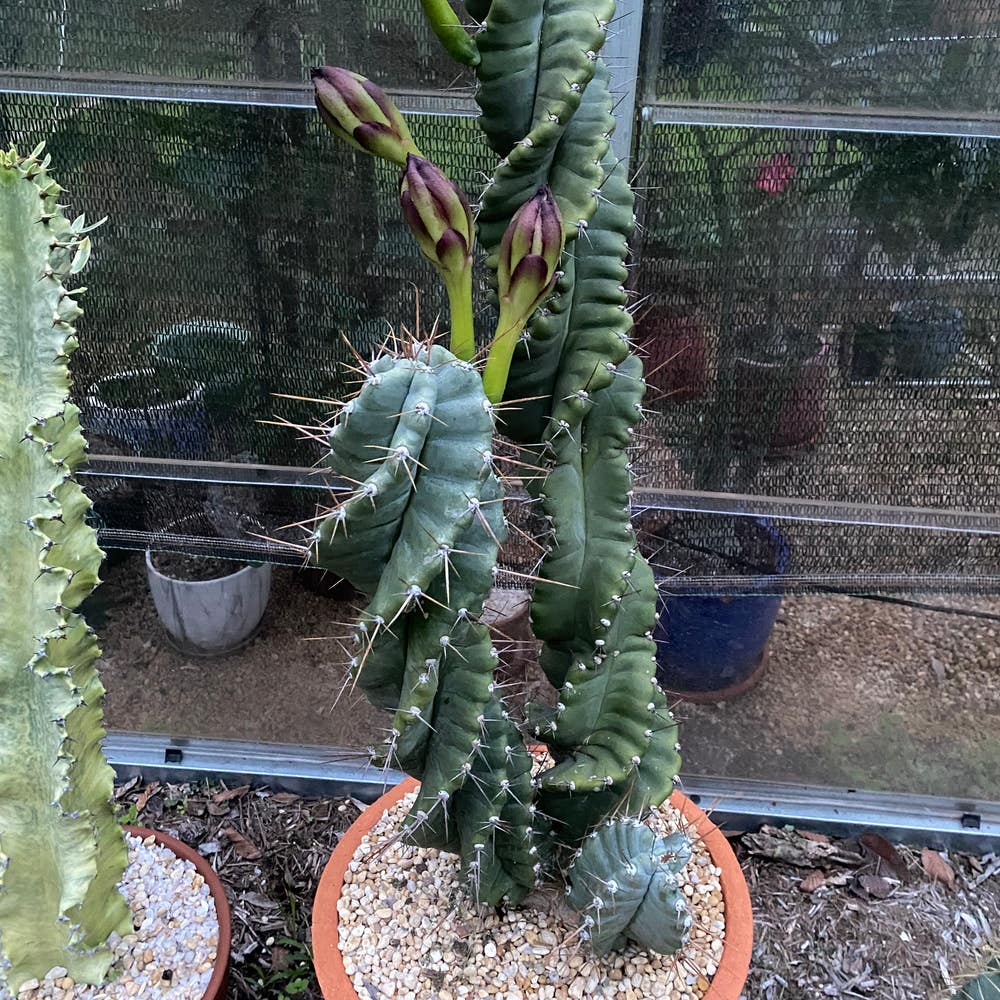
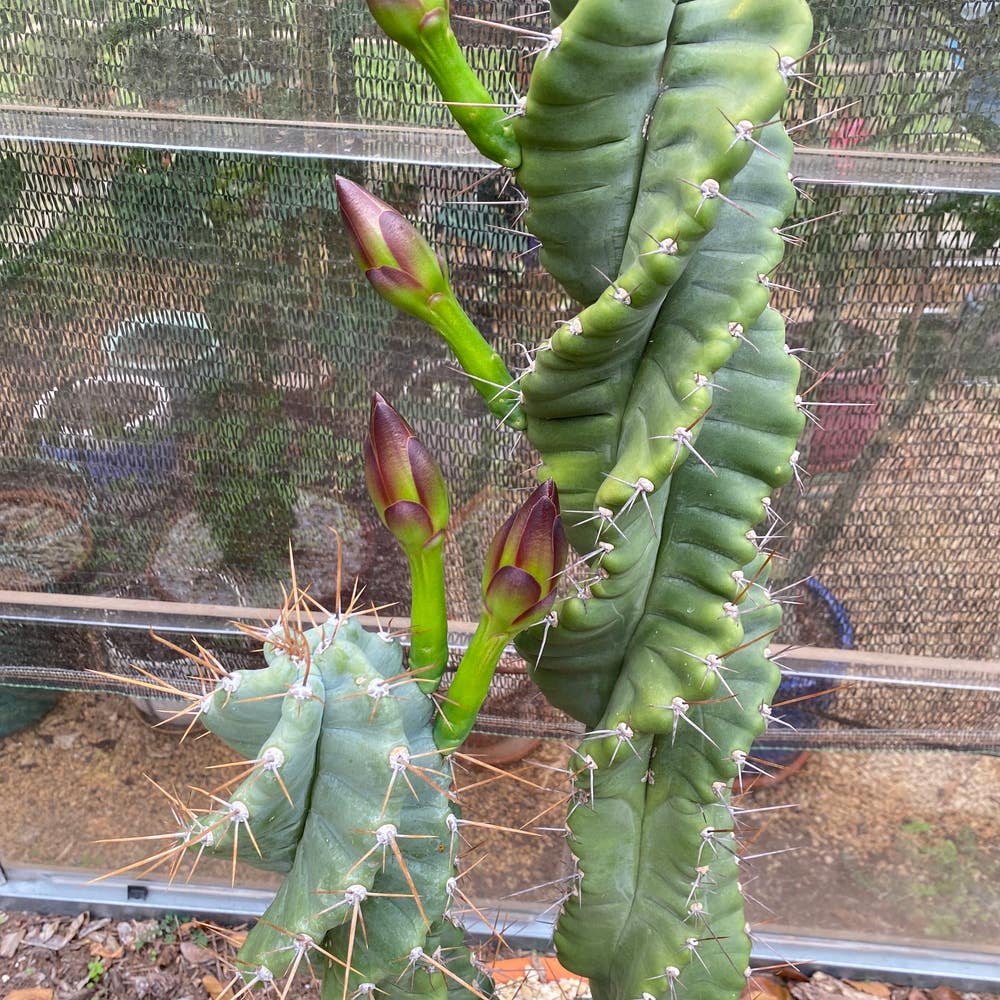
5 Outdoor Care Hacks for Spiral Cactus 🌵
Cereus forbesii 'Spiralis'
By the Greg Editorial Team
Sep 30, 2024•6 min read
This article was created with the help of AI so we can cover more plants for you. May contain errors. See one? Report it here.
- 🌞 Spiral cacti need 6-8 hours of sunlight daily for optimal growth.
- 💧 Adjust watering frequency seasonally; more in summer, less in winter.
- 🐛 Regularly inspect for pests and diseases to maintain cactus health.
Sunlight and Location
Ideal Sunlight Exposure for Outdoor Growth 🌞
Spiral cacti thrive in full sun, requiring 6-8 hours of direct sunlight daily. Insufficient sunlight can stunt growth, leading to weak, leggy plants that are more susceptible to diseases.
Best Locations for Planting in the Garden 🏡
When choosing a planting spot, south-facing areas are ideal for maximizing sunlight exposure. Additionally, consider shade and wind protection to shield your cactus from harsh elements.
Importance of Airflow Around the Plant 🌬️
Good airflow is crucial for the health of your spiral cactus. It helps prevent moisture buildup, reducing the risk of rot and promoting overall vitality.
With the right sunlight and location, your spiral cactus can flourish beautifully. Next, let’s dive into the watering requirements to keep your plant hydrated and healthy.
Watering Requirements
🌊 How to Determine Watering Needs
Understanding your spiral cactus's watering needs is crucial for its health. Start with soil moisture testing; the finger test is simple—stick your finger into the soil about an inch deep. If it feels dry, it’s time to water. Alternatively, a moisture meter can provide a more precise reading.
Seasonal adjustments are also key. During the summer, your cactus will likely need more frequent watering due to increased evaporation. In winter, reduce watering as the plant enters dormancy.
🚰 Signs of Overwatering and Underwatering
Recognizing the signs of overwatering is essential for prevention. If you notice yellowing leaves, mushy stems, or root rot, these are clear indicators that you’re giving your cactus too much water.
On the flip side, underwatering can lead to shriveling, browning tips, and stunted growth. Keep an eye on your plant's appearance to ensure it stays healthy and vibrant.
🏁 Conclusion
By mastering the art of watering, you set your spiral cactus up for success. With the right techniques, you can ensure it thrives in your garden. Next, let’s explore the best soil and fertilization practices to further enhance its growth.
Soil and Fertilization
🌵 Best Soil Types for Spiral Cactus
Choosing the right soil is crucial for your spiral cactus's health. A cactus potting mix or a blend of sand, perlite, and potting soil works wonders, providing the right balance of nutrients and drainage.
Good drainage is essential to prevent root rot. Compacted soil can suffocate roots, so ensure your mix allows for airflow and moisture retention without becoming waterlogged.
🧪 Fertilization Schedule and Types of Fertilizers
Fertilizing your spiral cactus every 4-6 weeks during the growing season keeps it thriving. Opt for a balanced cactus fertilizer or a diluted liquid fertilizer to provide essential nutrients without overwhelming the plant.
Remember, less is often more when it comes to fertilization. Over-fertilizing can lead to unhealthy growth, so stick to the schedule for optimal results.
With the right soil and fertilization practices, your spiral cactus will flourish, setting the stage for the next essential care tips.
Container vs. Ground Planting
🌱 Benefits of Container Planting
Container planting offers remarkable mobility. You can easily shift your spiral cactus to capture optimal sunlight or provide protection from harsh weather.
Additionally, it allows for control over soil quality and drainage. You can customize the soil mix to suit your cactus's needs, ensuring it thrives in the best conditions.
⚖️ Pros and Cons of Planting in the Ground
Planting in the ground has its advantages. It provides natural growth conditions and ample root space, allowing your cactus to establish a robust foundation.
However, there are disadvantages to consider. You have less control over soil quality, and the risk of pests can be higher, potentially impacting your cactus's health.
In summary, both planting methods have their unique benefits and challenges. Choosing the right one depends on your gardening goals and the specific needs of your spiral cactus.
Next, let’s explore how to protect your cactus from weather extremes and pests.
Protection from Weather and Pests
🌧️ Strategies for Weather Protection
To keep your spiral cactus thriving, protecting it from extreme weather is crucial. For frost, consider covering your cactus with cloth or moving it indoors during chilly nights.
In hot weather, a shade cloth can be a lifesaver. It shields your plant from harsh sunlight, preventing sunburn and ensuring it remains healthy.
🐞 Common Outdoor Pests and How to Manage Them
Outdoor pests can be a real headache for your spiral cactus. Keep an eye out for mealybugs and scale; these pests often leave telltale signs like sticky residue or white cotton-like spots.
Managing these pests can be straightforward. Use neem oil or insecticidal soap for effective treatment, and don’t hesitate to remove pests manually if needed.
🦠 Diseases that Affect Spiral Cactus and Prevention Methods
Your spiral cactus can also fall victim to diseases like root rot and fungal infections. These issues often arise from improper watering or poor soil management.
To prevent these diseases, focus on proper watering techniques. Ensure your cactus has well-draining soil to keep it healthy and thriving.
With these protective measures in place, your spiral cactus will be better equipped to handle the elements and pests. Next, let's explore how seasonal changes impact your care routine.
Seasonal Care
Seasonal Changes and Their Impact on Care 🌦️
As the seasons shift, so should your care routine for your Spiral Cactus. In spring and summer, increase watering and fertilization to support its active growth phase.
During fall and winter, reduce watering significantly. This helps prevent root rot and prepares the plant for dormancy.
Preparing for Winter ❄️
Winter can be tough on your Spiral Cactus. Protect it from frost by covering it with cloth or moving it indoors when temperatures drop.
Ensure it still gets some light, even indoors. A sunny window can make all the difference.
Special Considerations for Different Climate Zones 🌍
If you live in USDA zones 9-11, your Spiral Cactus will thrive outdoors year-round. However, in cooler climates, you may need to bring it inside during the colder months.
Consider creating microclimates in your garden. Grouping plants together can provide warmth and shelter from harsh winds.
Tips for Growing in Cooler Climates 🧊
For those in chillier areas, indoor options are key. A well-lit room can mimic the cactus's natural habitat.
Also, consider using pots that allow for easy relocation. This way, you can move your cactus to sunnier spots as needed.
With these seasonal care tips, your Spiral Cactus will flourish, no matter the climate. Next, let’s dive into essential cactus maintenance tips to keep your plant healthy and vibrant.
Cactus Maintenance Tips
Regular maintenance is key to keeping your spiral cactus thriving. Start with routine inspections for pests and diseases, as early detection can save your plant from serious harm.
🐞 Inspecting for Pests and Diseases
Look for common pests like mealybugs and scale. Their presence can be identified by sticky residue or visible insects on the plant.
✂️ Pruning and Removing Damaged Parts
Pruning is essential for maintaining your cactus's health. Remove any dead or damaged segments to encourage new growth and prevent disease spread.
🧹 General Maintenance Practices
In addition to inspections and pruning, ensure your cactus receives proper care. This includes adjusting watering and fertilization based on seasonal changes.
😊 Keeping Your Cactus Happy
A little attention goes a long way. Regular maintenance not only enhances growth but also fosters a vibrant, healthy plant.
With these maintenance tips in mind, you’re well-equipped to nurture your spiral cactus. Next, let’s explore how seasonal changes impact your care routine.
⚠️ Safety First
This content is for general information and may contain errors, omissions, or outdated details. It is not medical, veterinary advice, or an endorsement of therapeutic claims.
Always consult a qualified healthcare professional before using any plant as food, medicine, or supplement.
Never eat any plant (or feed one to pets) without confirming its identity with at least two trusted sources.
If you suspect poisoning, call Poison Control (800) 222-1222, the Pet Poison Helpline (800) 213-6680, or your local emergency service immediately.
Spotted an error? Please report it here.
Keep your spiral cactus thriving 🌞 year-round with Greg's tailored watering alerts and expert care tips that make outdoor maintenance a breeze!