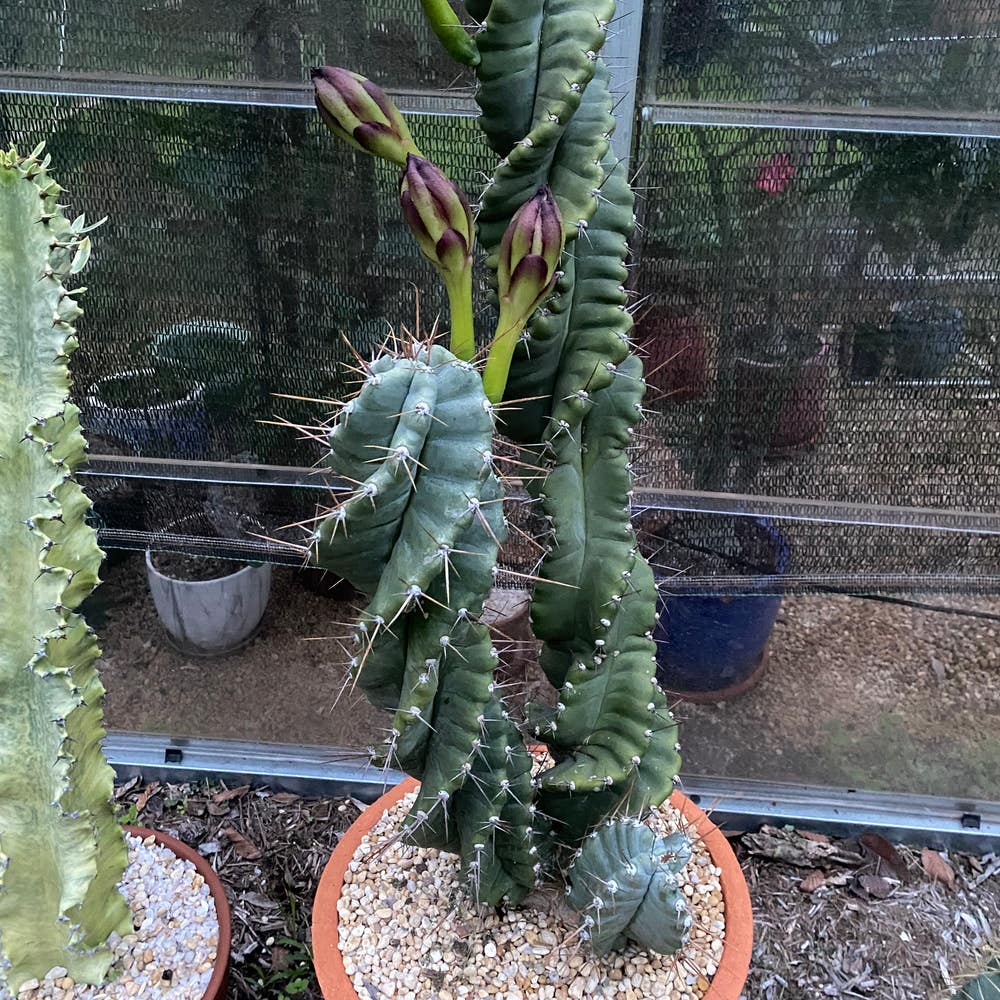
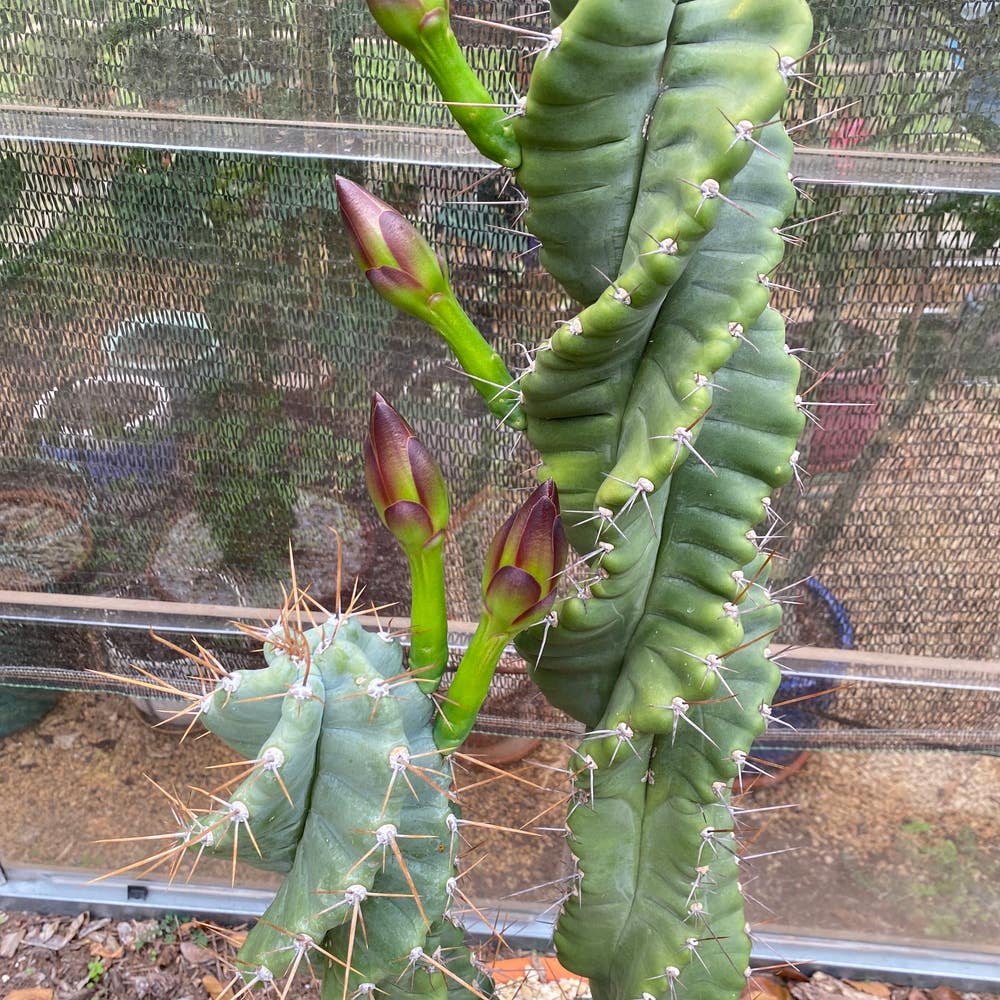
🌵 How to Plant Your Spiral Cactus
Cereus forbesii 'Spiralis'
By the Greg Editorial Team
Sep 30, 2024•6 min read
This article was created with the help of AI so we can cover more plants for you. May contain errors. See one? Report it here.
- 🌱 Proper planting techniques ensure healthy growth of your Spiral Cactus.
- 🌞 Spring is the best time to plant for optimal results.
- 🪴 Use well-draining soil and terracotta pots for thriving cacti.
Importance of Proper Planting Techniques
Planting your Spiral Cactus correctly is crucial for its growth and overall health. The right techniques can significantly enhance its vitality, ensuring it thrives in your garden.
🌱 Preventing Transplant Shock
One of the key benefits of proper planting is the prevention of transplant shock. This condition can lead to wilting, yellowing, or stunted growth, which can be disheartening for any gardener.
📈 Impact on Growth and Health
When you plant your cactus with care, you set the stage for robust growth. Healthy roots and optimal soil conditions allow your Spiral Cactus to flourish, making it more resilient against pests and diseases.
🌟 Long-Term Benefits
Investing time in proper planting techniques pays off in the long run. A well-planted cactus not only looks great but also requires less maintenance, allowing you to enjoy its beauty without constant worry.
Understanding these fundamentals will prepare you for the next steps in planting your Spiral Cactus. Let's dive into the specifics of how to plant your new cactus effectively.
Planting New Spiral Cactus
🌱 Optimal Timing for Planting
Spring or early summer is the best time to plant your Spiral Cactus. This timing aligns perfectly with its growth cycle, allowing the plant to thrive.
Consider your local climate when planning your planting. A little research can go a long way in ensuring your cactus gets the best start.
🪴 Selecting the Right Soil Mix and Containers
For your Spiral Cactus, a well-draining cactus soil is essential. You can also create a custom mix using 50% potting soil and 50% perlite.
Terracotta pots are ideal for planting due to their breathability and drainage capabilities. Always ensure your containers have drainage holes to prevent root rot.
📏 Proper Depth and Spacing for Planting
When planting, aim for a depth of 1-2 inches below the soil surface. This helps anchor the cactus while allowing it to access nutrients.
Space your cacti 12-18 inches apart for optimal growth. Avoid overcrowding to reduce the risk of disease and ensure each plant has room to flourish.
☀️ High-Level Tips for Maintaining Ideal Growing Conditions
Your Spiral Cactus needs full sun exposure, ideally 6-8 hours daily. This light is crucial for its health and growth.
Watering is straightforward: allow the soil to dry out completely between waterings. During the growing season, use a diluted cactus fertilizer to give your plant a boost.
🌳 Hardening Off Spiral Cactus Before Outdoor Planting
Hardening off is the process of acclimating your cactus to outdoor conditions. This step is vital for its survival and growth.
Gradually increase sun exposure over 1-2 weeks before planting outdoors. This helps your cactus adjust without shock.
Transitioning to the next section, understanding how to transplant established Spiral Cactus will further enhance your gardening skills.
Transplanting Established Spiral Cactus
🌱 Optimal Timing for Transplanting
Transplanting your Spiral Cactus is best done in early spring, just before the growing season kicks off. This timing allows the plant to acclimate and thrive as temperatures rise.
🛠️ Step-by-Step Instructions for Transplanting
Removing the Plant from Its Current Location
- Water the cactus a few days before transplanting to ease removal.
- Use gloves to protect your hands from the spines.
- Carefully dig around the base, loosening the soil.
- Gently lift the cactus from the ground or pot.
Preparing the New Planting Site
- Choose a location with full sun and well-draining soil.
- Amend the soil if necessary to improve drainage.
- Dig a hole twice the width of the cactus root ball.
Ensuring Proper Placement and Spacing
- Position the cactus in the center of the hole.
- Fill in with soil, ensuring the top of the root ball is level with the soil surface.
- Space at least 12-18 inches from other plants to allow for growth.
💧 Tips on Watering, Mulching, and Providing Support
After transplanting, lightly water the Spiral Cactus to settle the soil.
Mulching with gravel or small stones helps retain moisture and suppress weeds.
If you have taller varieties, consider using stakes for added support to keep them upright.
Transplanting can be a rewarding experience, ensuring your Spiral Cactus thrives in its new home. With the right timing and care, your cactus will flourish beautifully.
Comparative Analysis: Planting vs. Transplanting
💰 Cost Considerations
When deciding between planting a new Spiral Cactus and transplanting an established one, cost is a significant factor. Purchasing a new cactus can be more straightforward, but transplanting established plants can save money in the long run.
Established plants often require less initial investment in care and resources. They are typically more resilient and can thrive in your garden with proper attention.
⏳ Time to Maturity
Newly planted Spiral Cacti generally take longer to mature compared to their established counterparts. Factors such as care, environmental conditions, and the specific variety can influence growth rates.
Established plants have already adapted to their surroundings, allowing them to flourish more quickly. This can be a crucial consideration if you're eager to see results in your garden.
🌱 Adaptability to Local Growing Conditions
Newly planted cacti may take time to acclimatize to local conditions, which can affect their growth. In contrast, established plants are usually better equipped to handle the local climate and soil.
Acclimatization is key for successful growth, especially for new plants. Understanding this process can help you make informed decisions about your planting strategy.
This analysis highlights the essential differences between planting and transplanting, setting the stage for deeper insights into troubleshooting common issues with your Spiral Cactus.
Troubleshooting Common Issues
🪴 Understanding Transplant Shock
Transplant shock is a common hurdle for newly planted or transplanted Spiral Cactus. Symptoms include wilting, yellowing, or stunted growth, indicating that the plant is struggling to adjust.
The primary causes of transplant shock are root disruption and environmental stress. When a cactus is moved, its roots can be disturbed, leading to a temporary inability to absorb water and nutrients effectively.
🔧 Establishment Problems and Solutions
Several issues can arise during the establishment phase of your Spiral Cactus. Poor drainage, inadequate sunlight, and overwatering are among the most frequent problems.
To tackle these issues, adjust your care practices accordingly. Ensure your cactus has well-draining soil, adequate sunlight, and a proper watering schedule to promote healthy growth.
🌱 General Care Tips for Newly Planted or Transplanted Spiral Cactus
Monitoring soil moisture and light exposure is crucial for your cactus's health. Regularly check that the soil is dry before watering to prevent overwatering.
Keep an eye out for pests and diseases, as early detection can save your plant. Lastly, be patient during the establishment phase; give your cactus time to recover and adapt to its new environment.
With these troubleshooting tips, you'll be better equipped to nurture your Spiral Cactus through its initial challenges. Next, let’s explore the comparative analysis of planting versus transplanting.
⚠️ Safety First
This content is for general information and may contain errors, omissions, or outdated details. It is not medical, veterinary advice, or an endorsement of therapeutic claims.
Always consult a qualified healthcare professional before using any plant as food, medicine, or supplement.
Never eat any plant (or feed one to pets) without confirming its identity with at least two trusted sources.
If you suspect poisoning, call Poison Control (800) 222-1222, the Pet Poison Helpline (800) 213-6680, or your local emergency service immediately.
Spotted an error? Please report it here.
Planting your Spiral Cactus can lead to a stunning addition to your home, and with Greg's tailored tips and reminders, you'll ensure it gets the perfect care it needs 🌵!