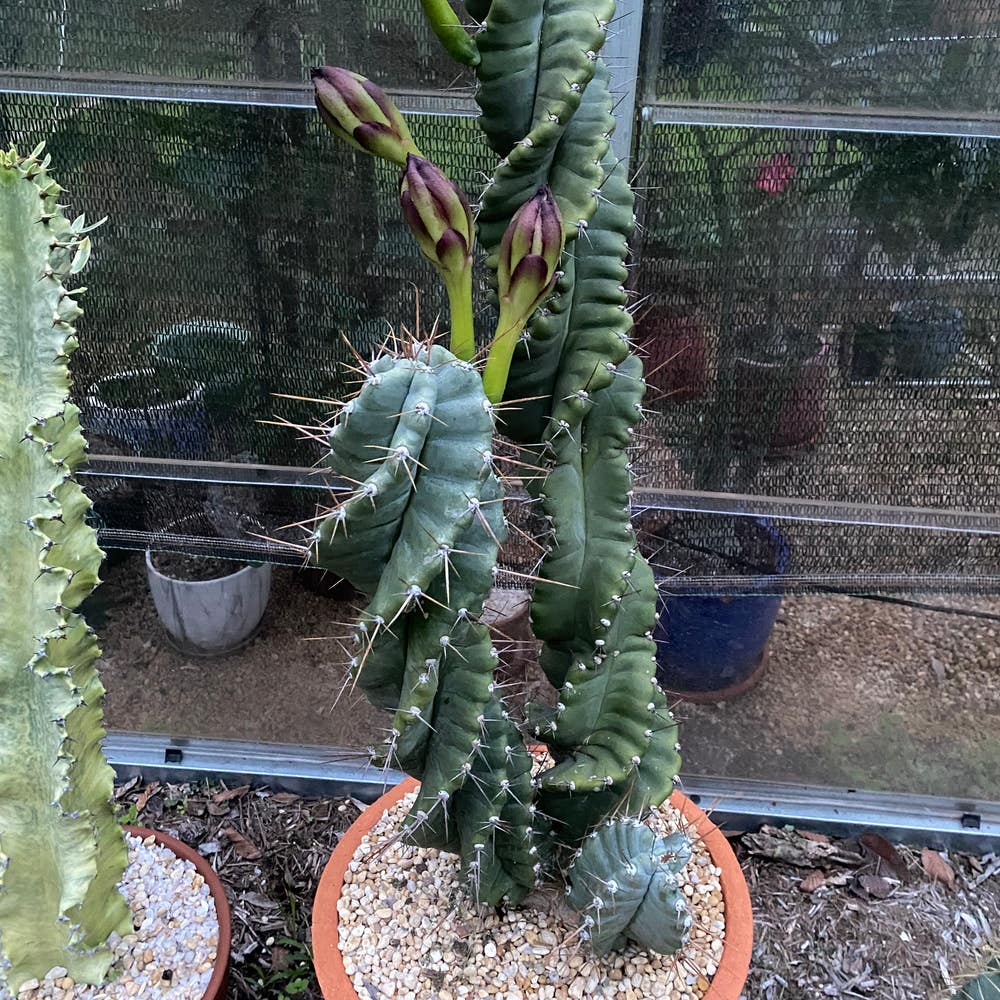
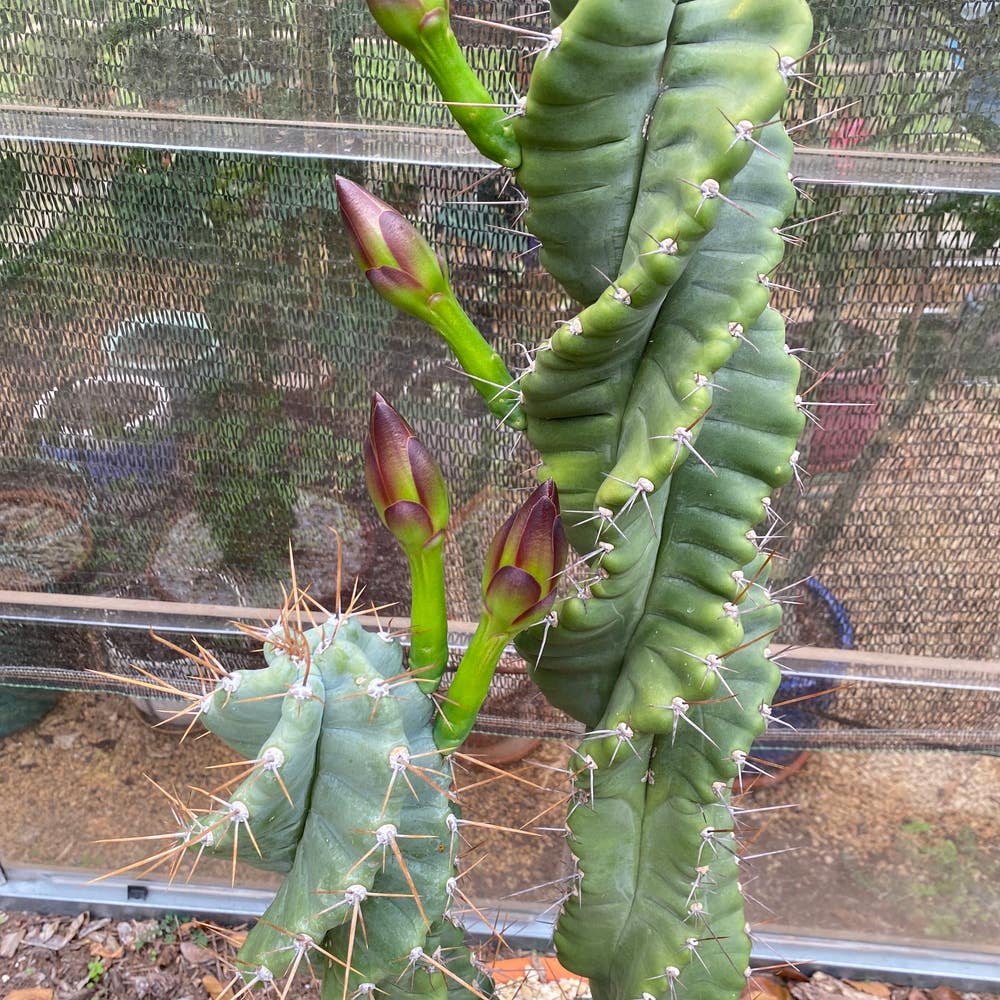
🐛 What To Do About Bugs on My Spiral Cactus?
Cereus forbesii 'Spiralis'
By the Greg Editorial Team
Jun 18, 2024•4 min read
This article was created with the help of AI so we can cover more plants for you. May contain errors. See one? Report it here.
- Identify pests like spider mites, scale insects, and mealybugs for targeted treatment.
- Use water, alcohol, or nematodes to evict cactus critters effectively.
- Prevent infestations with quarantine, proper watering, and good airflow.
Spotting the Invaders: Identifying Common Pests on Spiral Cactus
🕷️ Spider Mites
Webbing and leaf damage are the hallmarks of a spider mite invasion. These tiny critters, often red or brown, create fine silk-like threads, especially on the undersides of spines.
🦟 Scale Insects
Scale insects masquerade as small, bumpy growths on your cactus. They're masters of disguise, often blending in with the plant's coloration, and they love to set up camp under leaves and in crevices.
🦗 Fungus Gnats and Fruit Flies
A cloud of tiny black flies signals a fungus gnat or fruit fly problem. These pests are attracted to moist soil, and their larvae can be spotted wriggling below the soil line.
🐞 Mealybugs
Look for cottony clusters in the nooks of your cactus to find mealybugs. Their presence is also indicated by sticky honeydew secretions and the subsequent black sooty mold.

Bug Busting: Effective Treatments for Each Pest
🕷️ Spider Mites
Blast these tiny terrors with a strong stream of water to disrupt their cozy webs. For a more lasting impact, neem oil and insecticidal soaps are your go-to arsenal. Apply with the gusto of a gardener in a gladiator arena—thorough coverage is key.
🦠 Scale Insects
Get hands-on and pick off these pesky parasites like you're peeling off stickers of doom. If they're clinging on like a bad habit, alcohol on a cotton swab is your precision strike. For a broader attack, mix up a soap and oil concoction and show them the door.
🦟 Fungus Gnats and Fruit Flies
Deploy sticky traps to catch these winged woes mid-flight. If the soil's a nursery for these pests, let it dry out to break the cycle. Introduce nematodes, nature's own hitmen, to take out larvae lurking in the dirt.
🐛 Mealybugs
Swab the decks with alcohol—direct contact is a mealybug's nightmare. For a less hands-on approach, soapy water or neem oil can smother these fluffy fiends. Apply with the determination of a plant parent in a pest war.

Fortifying Your Spiral Cactus: Prevention Strategies
🛡️ Quarantine New Comrades
Isolation is your first line of defense. New plants should be quarantined like they're ticking time bombs of pestilence. This step is crucial to prevent any tag-along bugs from infesting your existing plant collection.
💨 The Right Environment
Airflow and light aren't just nice-to-haves; they're must-haves. Position your Spiral Cactus in a spot where it can bask in the glory of good circulation and plenty of sunshine. This dynamic duo works overtime to keep fungal foes at bay.
💧 Water Wisdom
Overwatering is the root of all evil in the cactus world. Water only when the soil has completely dried out, and even then, think of your watering can as a precision instrument, not a floodgate. Dampness is a beacon for bugs, so keep it desert-dry, folks.

When Pests Persist: Seeking Professional Help
Sometimes, your best efforts at pest control are about as effective as a chocolate teapot. That's when it's time to call in the experts. Here's how to know when to wave the white flag and what to expect once the cavalry arrives.
🚨 Recognizing when it's time to call in the experts
If you've waged war with every organic potion and DIY trick, yet those bugs are partying like it's 1999, it's time to seek professional help. Look for the signs: is your cactus still a bug rave despite your interventions? Are there new, mysterious symptoms you can't match with any Google image search? If your plant is on a downward spiral, and you're out of ideas, it's time to tag in the pros.
🛠 What to expect from professional pest control
Professional pest control is like a SWAT team for your spiral cactus. They come armed with knowledge and tools you probably don't have in your garden shed. Expect a thorough investigation of your cactus crisis, followed by a targeted action plan. They might use treatments that are stronger than your average insecticidal soap, but they'll know how to apply them without turning your plant into a chemical wasteland.
Remember, it's not admitting defeat; it's more like calling a plumber when your DIY pipe-fix turns your kitchen into a water park. Safety first: gear up with information about the treatments they propose, and don't be shy to ask questions. After all, it's your green buddy's life on the line.
Professionals will also offer tips on how to prevent future invasions, turning your cactus from a bug hotel into a fortress. They'll likely suggest monitoring after treatment because, like a bad horror movie franchise, pests love a comeback.
In short, when the bugs are relentless, and your cactus is sending SOS signals, get on the phone with a pest control expert. It might just be the lifeline your spiral cactus needs to thrive again.
⚠️ Safety First
This content is for general information and may contain errors, omissions, or outdated details. It is not medical, veterinary advice, or an endorsement of therapeutic claims.
Always consult a qualified healthcare professional before using any plant as food, medicine, or supplement.
Never eat any plant (or feed one to pets) without confirming its identity with at least two trusted sources.
If you suspect poisoning, call Poison Control (800) 222-1222, the Pet Poison Helpline (800) 213-6680, or your local emergency service immediately.
Spotted an error? Please report it here.
Eradicate pests from your spiral cactus using these savvy strategies, and rely on Greg 🌵 to tailor your plant's care, ensuring it stays healthy and bug-free.