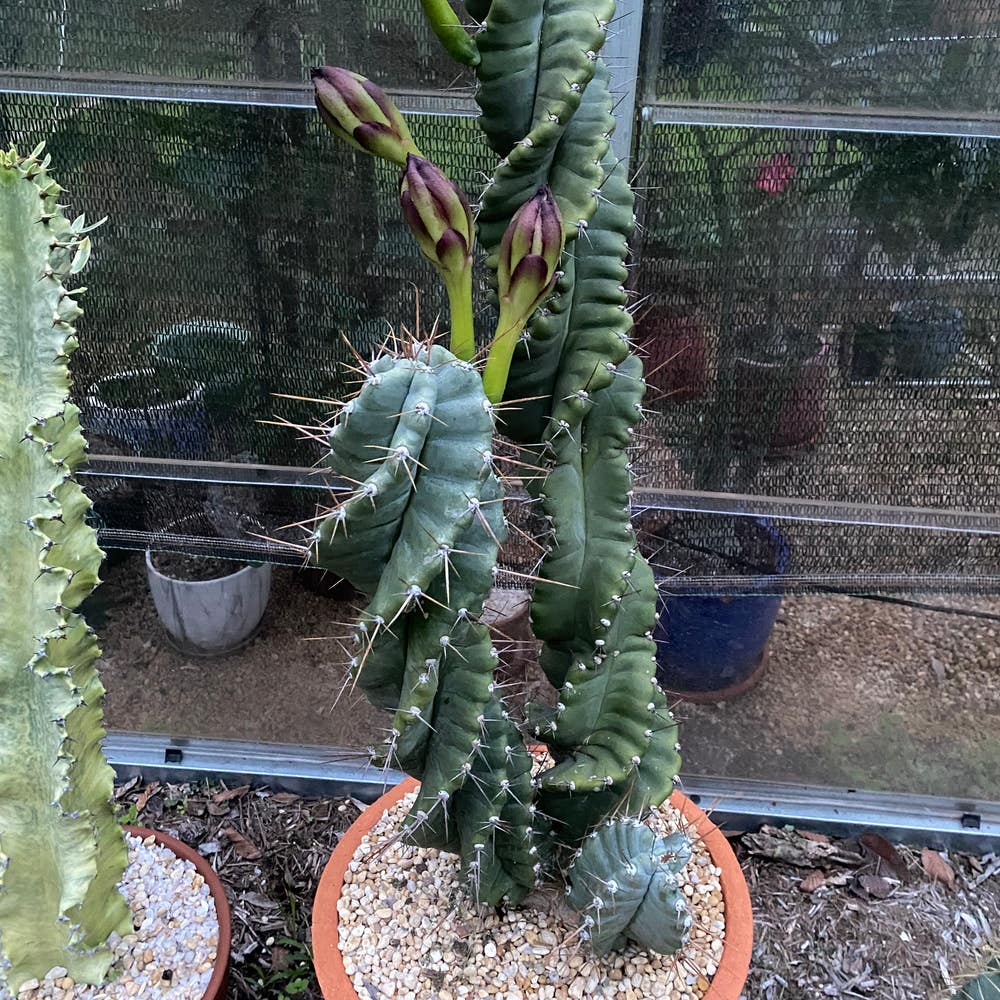
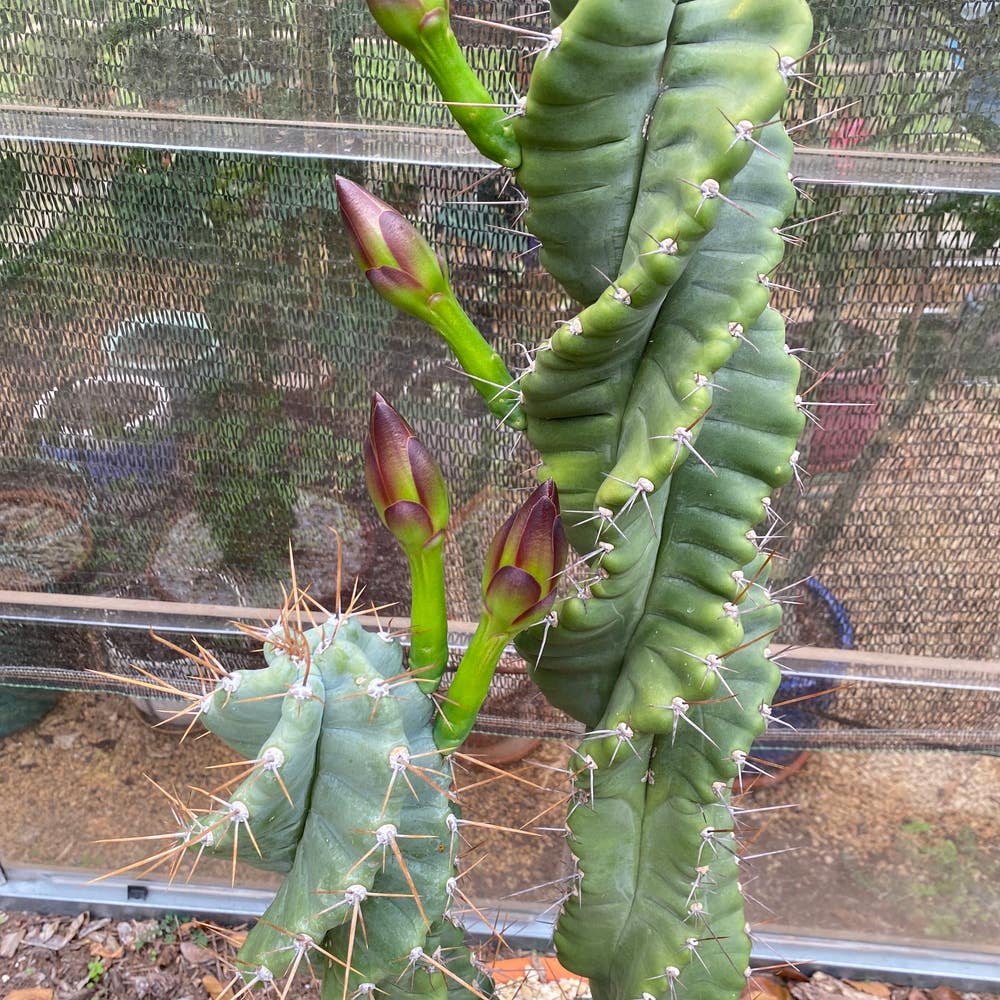
🌵 Spiral Cactus Hardiness Zones: 9a-11b
Cereus forbesii 'Spiralis'
By the Greg Editorial Team
Sep 30, 2024•5 min read
This article was created with the help of AI so we can cover more plants for you. May contain errors. See one? Report it here.
- 🌵 Spiral Cactus thrives in zones 9a-11b, perfect for warmer climates.
- ❄️ Protect from frost by covering or moving indoors during cold snaps.
- ☀️ Full sun exposure (6-8 hours) is essential for vibrant growth.
Temperature Tolerance of Spiral Cactus
❄️ Cold Tolerance Specifics
Spiral Cactus can withstand temperatures as low as 20°F (-6°C). However, it is sensitive to frost, which can cause significant damage to its structure and health.
To protect your Spiral Cactus, it's crucial to avoid frost exposure. Covering the plant during cold snaps or relocating it indoors can help ensure its survival.
🔥 Heat Tolerance Specifics
On the flip side, Spiral Cactus thrives in heat, flourishing in temperatures up to 100°F (38°C) and even higher. However, extreme heat can stress the plant, making adequate moisture essential for its well-being.
Without sufficient water, the cactus may suffer from dehydration, leading to stunted growth or even death. Regular watering during hot spells is vital.
🌡️ Ideal Temperature Ranges for Growth
For optimal growth, Spiral Cactus prefers a temperature range of 70°F to 90°F (21°C to 32°C). Staying within this range promotes healthy development and vibrant colors.
Temperature fluctuations outside this range can negatively impact growth and overall health. Consistent conditions are key to keeping your cactus thriving.
Understanding these temperature tolerances will help you create the perfect environment for your Spiral Cactus, setting the stage for its success. Next, let’s explore the ideal growing regions for this resilient plant.
Ideal Growing Regions for Spiral Cactus
🌵 Examples of US States in Suitable Hardiness Zones
Spiral Cactus thrives in specific hardiness zones across the United States. In Zone 9a, you’ll find it flourishing in states like California, Texas, and Florida.
Moving to Zone 10b, Arizona, Hawaii, and southern California provide ideal conditions. For those in Zone 11b, southern Florida and parts of southern Texas are perfect for nurturing these unique plants.
🌞 Factors Contributing to Ideal Growing Conditions
Soil type plays a crucial role in the health of Spiral Cactus. Well-draining soil is essential, as it prevents root rot and allows for optimal growth.
Sunlight exposure is another key factor. Spiral Cactus needs full sun, ideally 6-8 hours daily, to thrive and maintain its vibrant health.
🌍 Comparison of Regions Within the Hardiness Zones
Even within the same hardiness zone, climate can vary significantly. Coastal areas often experience milder temperatures compared to their inland counterparts.
Elevation and proximity to water bodies also influence local climates. For instance, higher elevations may be cooler, while areas near lakes can have more humidity, affecting growth conditions for Spiral Cactus.
Understanding these factors can help you choose the best location for your Spiral Cactus, ensuring it flourishes in your garden. Next, we’ll explore how microclimates can further extend the growing zones for this resilient plant.
Microclimates and Their Impact
🌤️ How Microclimates Can Extend Growing Zones
Microclimates are localized areas where the climate differs from the surrounding region. These unique conditions can enable Spiral Cactus to thrive outside its typical hardiness zones.
Several factors contribute to the creation of microclimates. Buildings can trap heat, while bodies of water moderate temperature fluctuations. Additionally, topography plays a crucial role, as hills and valleys can create sheltered environments.
🏙️ Examples of Microclimates That Benefit Spiral Cactus
Urban areas often develop heat islands, where concrete and asphalt absorb and retain heat. This warmer environment can be ideal for Spiral Cactus, allowing it to flourish even in less-than-ideal zones.
Another beneficial microclimate is found on south-facing slopes. These areas receive more sunlight and warmth, creating a perfect habitat for the growth of Spiral Cactus.
Understanding these microclimates can significantly enhance your gardening strategy. By recognizing where these conditions exist, you can expand your growing possibilities and enjoy the beauty of Spiral Cactus in diverse environments.
Next, we will explore state-level analysis to identify which U.S. states are most suitable for cultivating Spiral Cactus.
State-Level Analysis
List of US States Suitable for Spiral Cactus 🌵
When it comes to growing Spiral Cactus, certain states shine brighter than others. The top contenders include:
- California
- Texas
- Arizona
- Florida
- Hawaii
These states boast warm climates, making them ideal for Spiral Cactus. With temperatures frequently falling within the optimal range, they provide the perfect environment for these resilient plants to thrive.
List of US States Unsuitable for Spiral Cactus 🚫
On the flip side, some states are far from friendly for Spiral Cactus. The following states are generally unsuitable:
- Alaska
- Maine
- North Dakota
- Minnesota
These regions face extreme cold and high frost risks, which can severely hinder the growth of Spiral Cactus. The harsh winters and unsuitable growing conditions make it nearly impossible for these plants to survive.
Reasons for Suitability or Unsuitability Based on Climate Factors 🌡️
Understanding why certain states are suitable or unsuitable involves looking at key climate factors.
- Temperature Extremes: States with milder winters and warmer summers are ideal.
- Frost Dates: The timing of the first and last frost is crucial. States with shorter frost periods allow for longer growing seasons.
- Overall Climate Conditions: Consistent warmth and minimal frost exposure are vital for the health of Spiral Cactus.
In summary, if you're considering adding Spiral Cactus to your garden, focus on the warmer states. Their climate offers the best chance for these unique plants to flourish. Next, let’s explore how microclimates can further influence growing conditions.
⚠️ Safety First
This content is for general information and may contain errors, omissions, or outdated details. It is not medical, veterinary advice, or an endorsement of therapeutic claims.
Always consult a qualified healthcare professional before using any plant as food, medicine, or supplement.
Never eat any plant (or feed one to pets) without confirming its identity with at least two trusted sources.
If you suspect poisoning, call Poison Control (800) 222-1222, the Pet Poison Helpline (800) 213-6680, or your local emergency service immediately.
Spotted an error? Please report it here.
Cultivating your Spiral Cactus in warm climates is easy with Greg's tailored care tips 🌞, ensuring it thrives with the right sun exposure and moisture all year round!