The Best Pollinators for Your Spiral Cactus 🐝
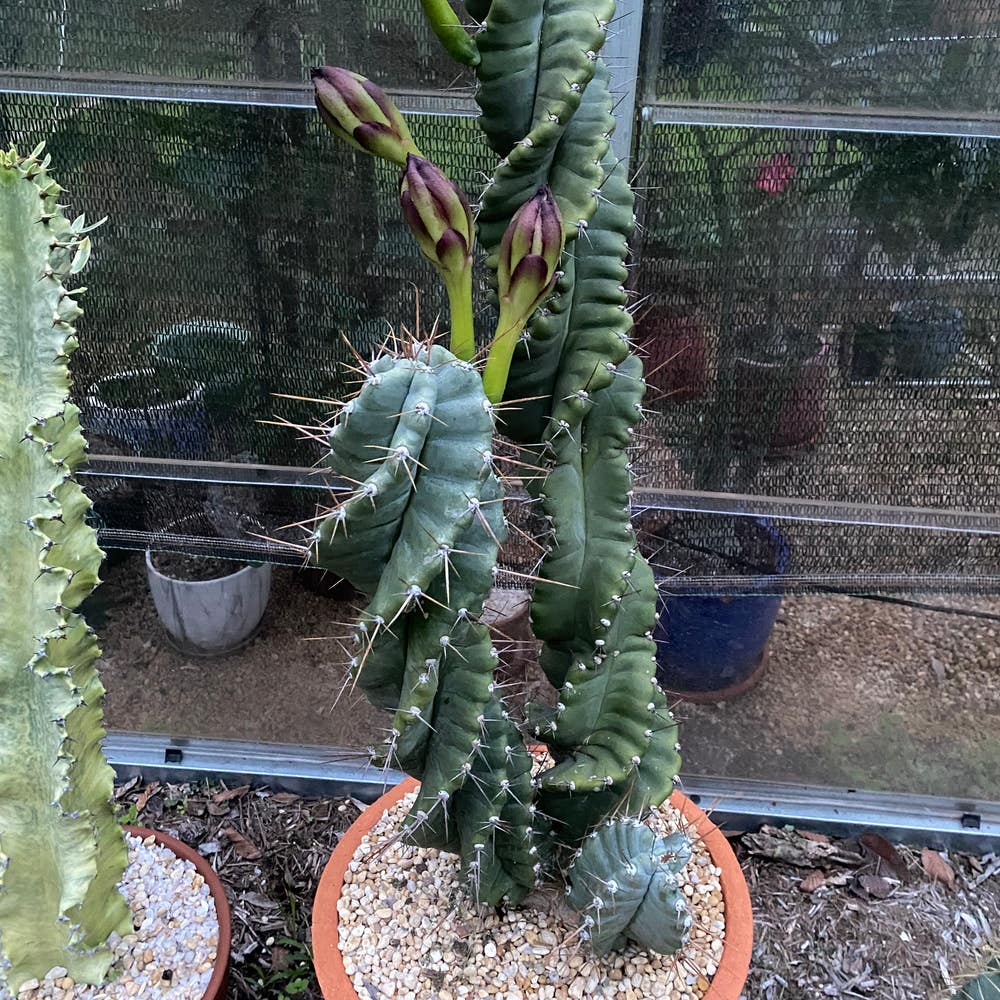
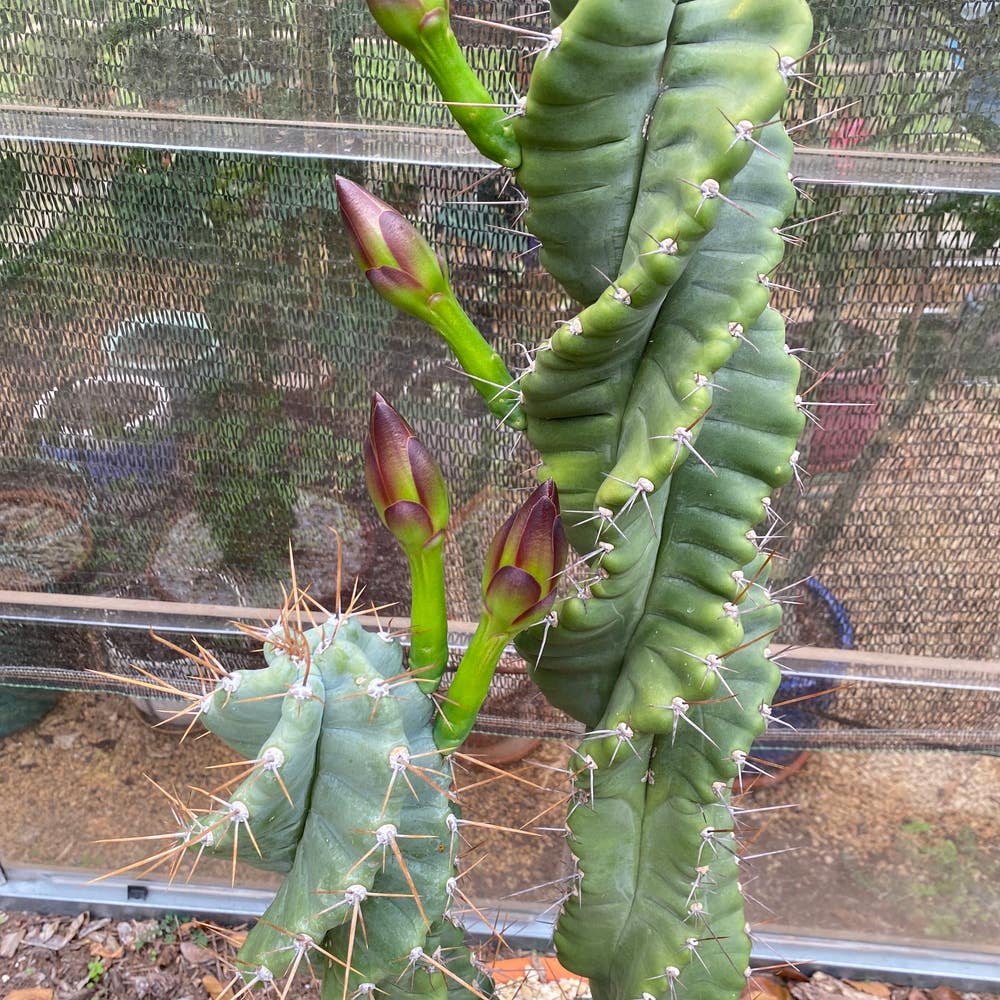
Cereus forbesii 'Spiralis'
By the Greg Editorial Team
Sep 30, 2024•5 min read
This article was created with the help of AI so we can cover more plants for you. May contain errors. See one? Report it here.
- 🌼 Spiral cacti attract bees, moths, and hummingbirds with their night-blooming flowers.
- 🌱 Cross-pollination boosts genetic diversity, essential for cactus resilience and fruit production.
- 🐝 Creating a pollinator-friendly garden supports local ecosystems and enhances cactus health.
Flower Structure
🌸 Description of Flower Characteristics
The spiral cactus boasts large, funnel-shaped flowers that bloom at night. These vibrant petals often come in shades of white, pink, or yellow, creating a stunning visual display.
The arrangement of the petals is circular, surrounding the central reproductive structures. This design not only captivates the eye but also plays a crucial role in attracting pollinators.
🐝 Role of Flower Characteristics in Pollination
The unique structure of these flowers facilitates cross-pollination by drawing in specific pollinator species. Their shape and color are tailored to entice creatures like bees and moths, ensuring effective pollen transfer.
Flower morphology is vital for successful pollination. The strategic positioning of stamens and pistils maximizes the chances of pollen reaching the stigma, enhancing reproductive success.
In summary, the flower characteristics of the spiral cactus are not just for show; they are essential for attracting pollinators and ensuring effective reproduction. Next, we will explore the fascinating process of pollination and the key players involved.
Pollination Process
Explanation of Cross-Pollination 🌼
Cross-pollination is essential for the successful reproduction of spiral cacti. This process not only enhances genetic diversity but also strengthens the resilience of the species.
Identification of Primary Pollinators 🐝
Understanding the primary pollinators is crucial for effective cactus care.
Bees
Bees are the champions of pollen transfer, buzzing from flower to flower and ensuring effective fertilization.
Butterflies
Bright colors and sweet nectar attract butterflies, making them vital players in the pollination game.
Moths
Moths, active at night, have unique interactions with cactus flowers, drawn in by their nocturnal blooms.
Hummingbirds
Hummingbirds are captivated by the shape and nectar of cactus flowers, playing a key role in their pollination.
Attraction Mechanisms for Pollinators 🎯
Pollinators are lured in by various mechanisms that enhance their attraction to cactus flowers.
Scent
The sweet fragrances emitted during blooming act like a beacon for pollinators, guiding them to the flowers.
Nectar Production
The quantity and quality of nectar are critical. A rich nectar supply not only attracts but also sustains pollinators, ensuring they return.
Understanding these aspects of the pollination process can significantly enhance your cactus gardening experience. By fostering an environment that supports these pollinators, you can enjoy a thriving garden full of life and color.
Natural Pollination
🌬️ Pollen Transfer Mechanisms
Pollination begins with the transfer of pollen from the anthers, the male parts of the flower, to the stigma, the female part. This process can occur through various mechanisms, including the gentle touch of pollinators or even the breeze on a windy day.
Environmental factors play a crucial role in this transfer. Wind can carry pollen from one flower to another, while animal movement—especially by bees and other insects—facilitates direct contact between flowers. Each interaction is vital for ensuring that pollen reaches the stigma effectively.
🌱 Importance of Pollination for Reproduction and Genetic Diversity
Successful pollination is essential for fruit and seed production in spiral cacti. When pollen lands on the stigma, it triggers fertilization, leading to the development of seeds that can grow into new plants.
Moreover, pollination supports genetic diversity within plant populations. This diversity enhances resilience against diseases and environmental changes, ultimately contributing to the ecological balance of local ecosystems. Healthy pollination practices help maintain biodiversity, ensuring that our natural world thrives.
As we explore the next section, we'll delve into hand pollination techniques, a valuable skill for gardeners looking to support their spiral cactus's reproductive success.
Supporting Pollinators
🌼 Creating a Pollinator-Friendly Environment
To support pollinators, start by planting native flowers that bloom at various times throughout the year. This strategy ensures a continuous food source, attracting a diverse range of pollinators.
Additionally, providing water sources and shelter is crucial. Simple features like birdbaths or small ponds can make a significant difference, offering hydration and a safe haven for these essential creatures.
🌸 Companion Plants that Attract Beneficial Pollinators
Companion planting can enhance pollinator activity around your Spiral Cactus. Consider adding plants like lavender, which attracts bees with its fragrant blooms.
Marigolds are another excellent choice; their bright colors draw in various pollinators. Lastly, bee balm not only looks stunning but also serves as a magnet for butterflies and hummingbirds, enriching your garden's ecosystem.
By creating a welcoming environment and incorporating companion plants, you can significantly boost pollinator populations. This effort not only benefits your Spiral Cactus but also contributes to the overall health of local biodiversity.
Next, let’s explore the challenges that can hinder successful pollination and how to overcome them.
Pollination Challenges
Common Obstacles to Successful Pollination 🌪️
Pollination can be a tricky business for your Spiral Cactus. Environmental factors like temperature fluctuations and humidity levels can significantly impact pollinator activity, making it harder for them to do their job.
Additionally, the lack of pollinators is a growing concern. Urbanization and habitat loss have led to declining pollinator populations, which can leave your cactus flowers without the necessary visitors for successful pollination.
Solutions for Overcoming Challenges 🌼
Creating a pollinator-friendly environment is essential. Planting a diverse range of flora not only attracts various pollinators but also provides them with continuous food sources throughout the blooming season.
Minimizing pesticide use is another crucial step. Chemicals can deter pollinators, so opting for organic gardening practices can help maintain a healthy ecosystem.
If pollinator activity is low, consider supplemental hand pollination techniques. This can ensure that your Spiral Cactus still gets the attention it needs, even when nature is less cooperative.
By addressing these challenges, you can enhance the chances of successful pollination and contribute to the health of your cactus and the local ecosystem.
⚠️ Safety First
This content is for general information and may contain errors, omissions, or outdated details. It is not medical, veterinary advice, or an endorsement of therapeutic claims.
Always consult a qualified healthcare professional before using any plant as food, medicine, or supplement.
Never eat any plant (or feed one to pets) without confirming its identity with at least two trusted sources.
If you suspect poisoning, call Poison Control (800) 222-1222, the Pet Poison Helpline (800) 213-6680, or your local emergency service immediately.
Spotted an error? Please report it here.
Boost your spiral cactus's bloom potential by attracting essential pollinators, and let Greg guide you with custom care tips 🌵 to create the perfect environment for thriving plants!