What Temperature Should My Spiral Cactus Be Kept At?
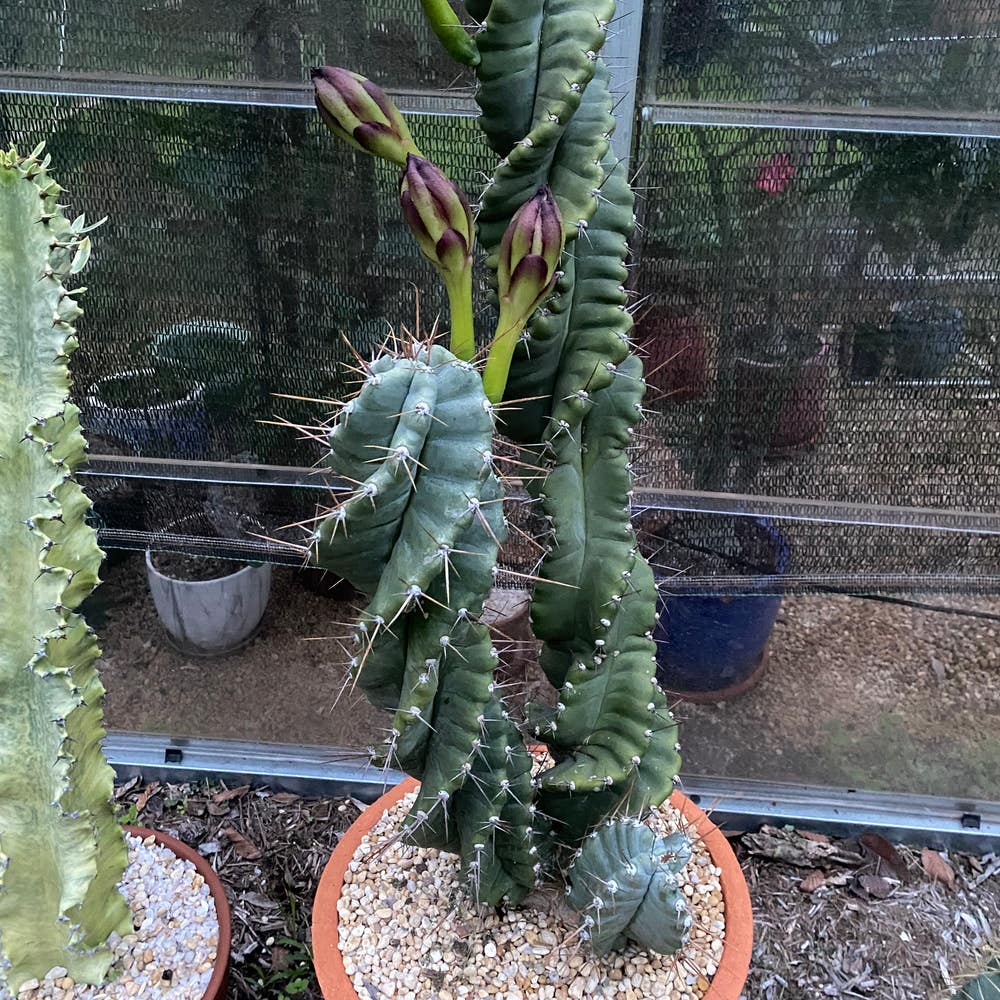
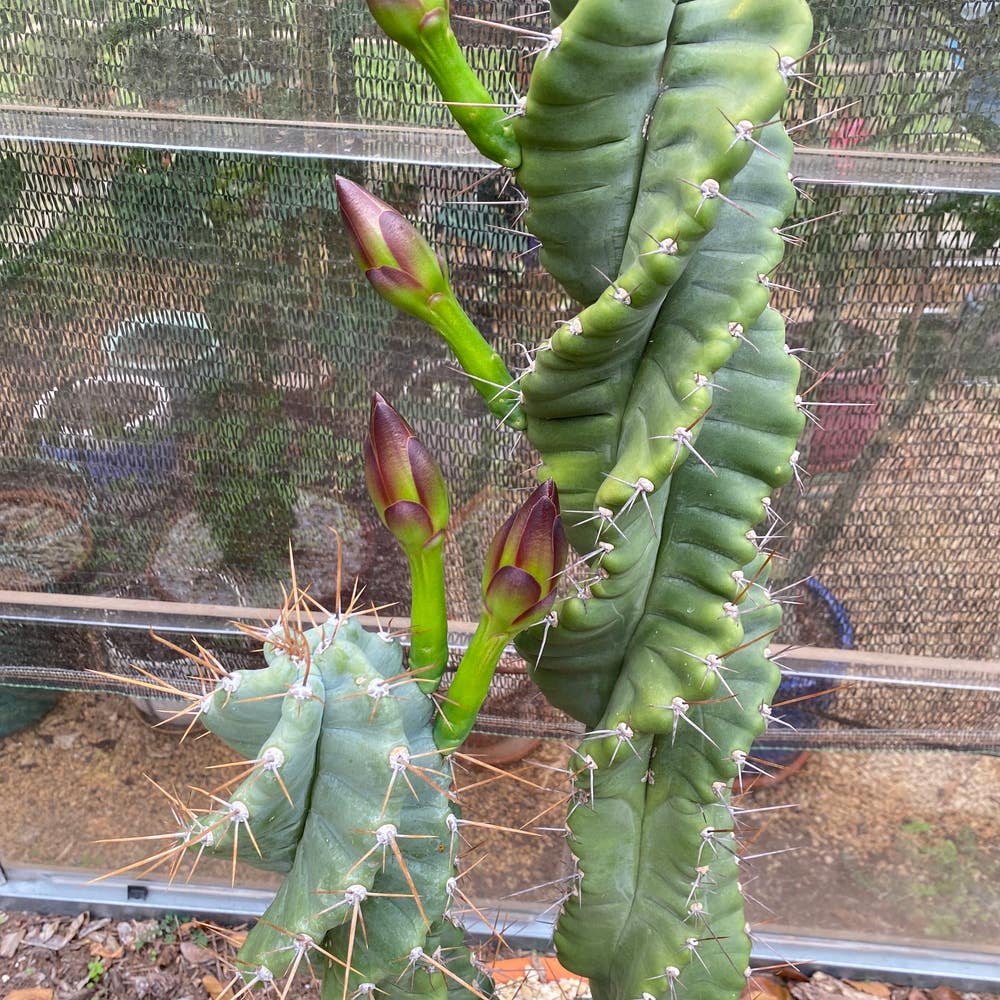
Cereus forbesii 'Spiralis'
By the Greg Editorial Team
Jun 18, 2024•3 min read
This article was created with the help of AI so we can cover more plants for you. May contain errors. See one? Report it here.
- Ideal range 70°F to 100°F; cold halts growth, heat damages.
- Seasonal care is crucial: summer shade, winter cool nights.
- Monitor humidity and temperature to prevent stress and damage.
Nailing the Perfect Temperature Range
🌵 The Goldilocks Zone for Spiral Cactus
70°F to 100°F (21°C to 38°C) is where your Spiral Cactus hits its stride. Outside this range, it's either shivering in boots or sweating bullets. Cold can halt growth, while heat can cook it into cactus jerky.
Seasonal Shifts and Indoor Adjustments
Summer's scorch and winter's bite need different game plans. Summer means cranking up the AC or positioning away from heat-trapping walls. Winter? Think cozy, not tropical. Aim for a cool 50-60°F (10-15°C) at night to mimic desert chill.
Stable temperatures indoors are non-negotiable. Use thermostats and fans, but avoid direct drafts on your thorny pal. Keep it simple: if you're comfy, your cactus probably is too.

When Your Cactus Says "Ouch": Spotting Temperature Stress
🌡️ Telltale Signs of a Too-Chilly Cactus
Shriveled stems on your Spiral Cactus? Cold stress might be the culprit. A dark, waterlogged look is your cactus's version of a distress signal.
Quick fixes include moving your cactus to a warmer spot or using a heat mat to fend off the chill.
🌞 When the Heat is Just Too Much
Wilting or sunburned patches? Your cactus is likely suffering from heat stress.
To cool things down, relocate your cactus to a shadier area or employ shade cloth. Hydration is key, but don't overdo it—check the soil moisture first.

Keeping the Chill and Heat at Bay
❄️ Protecting from the Cold
Drafts are like uninvited guests to your cactus's cozy winter evening. To fend off the cold, position your Spiral Cactus away from windows and doors that are opened frequently. Insulation is key; consider sealing up any leaks that invite a chilly breeze. When the temperature plummets, think of bubble wrap or plant cloches as your cactus's personal shield against the frosty onslaught.
☀️ Shielding from the Scorch
During a heatwave, your Spiral Cactus can feel like it's baking in an oven. Shade is its best ally. Use sheer curtains or shade cloths to diffuse that intense midday sun. Remember, direct sunlight can be as harsh as a critic's review, so monitor your plant's exposure. And if the air around your cactus feels like a hairdryer on high, it might be time to consider air cooling systems or positioning away from heat sources to keep the temperature from soaring.

The Humidity Sidekick: A Quick Note
💦 Understanding the Temperature-Humidity Tag Team
Humidity and temperature are the dynamic duo in plant care, especially for your Spiral Cactus. While you've got the thermometer out, don't forget its partner in crime: the hygrometer. This gadget is essential for monitoring the moisture in the air, ensuring your cactus isn't left high and dry or drowning in dampness.
🌵 Balancing Low to Moderate Humidity with Ideal Temperatures
Your cactus craves a low to moderate humidity level, much like its natural desert habitat. Too much moisture and you're throwing a fungal party; too little, and your cactus might start to shrivel. Aim for that sweet spot, and watch your spiky buddy thrive without the drama of dry tips or the horror of root rot. Keep the air moving with a gentle fan or a cracked window to ward off mold, because nobody invited that guy.
⚠️ Safety First
This content is for general information and may contain errors, omissions, or outdated details. It is not medical, veterinary advice, or an endorsement of therapeutic claims.
Always consult a qualified healthcare professional before using any plant as food, medicine, or supplement.
Never eat any plant (or feed one to pets) without confirming its identity with at least two trusted sources.
If you suspect poisoning, call Poison Control (800) 222-1222, the Pet Poison Helpline (800) 213-6680, or your local emergency service immediately.
Spotted an error? Please report it here.
Ensure your Spiral Cactus never shivers or sweats by letting Greg track the temperature 🌡 and nudge you with the right moves for a happy cactus home.