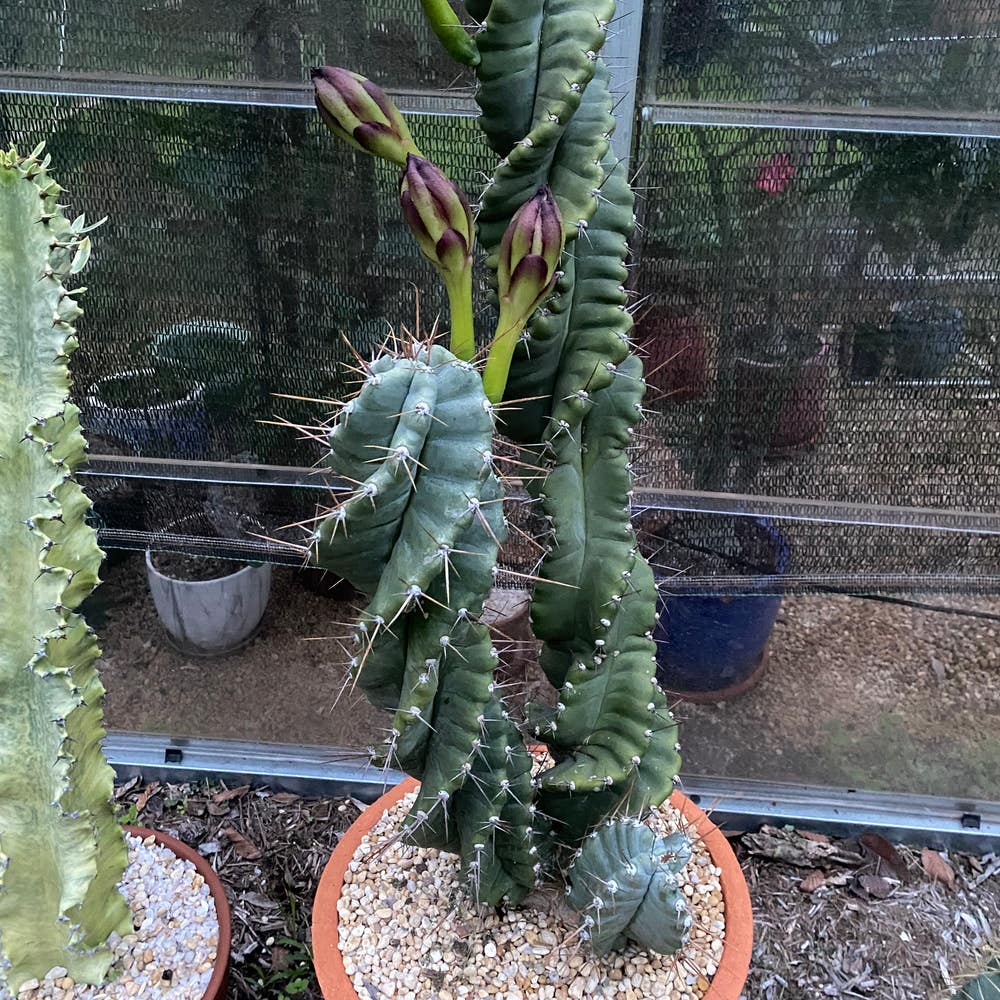
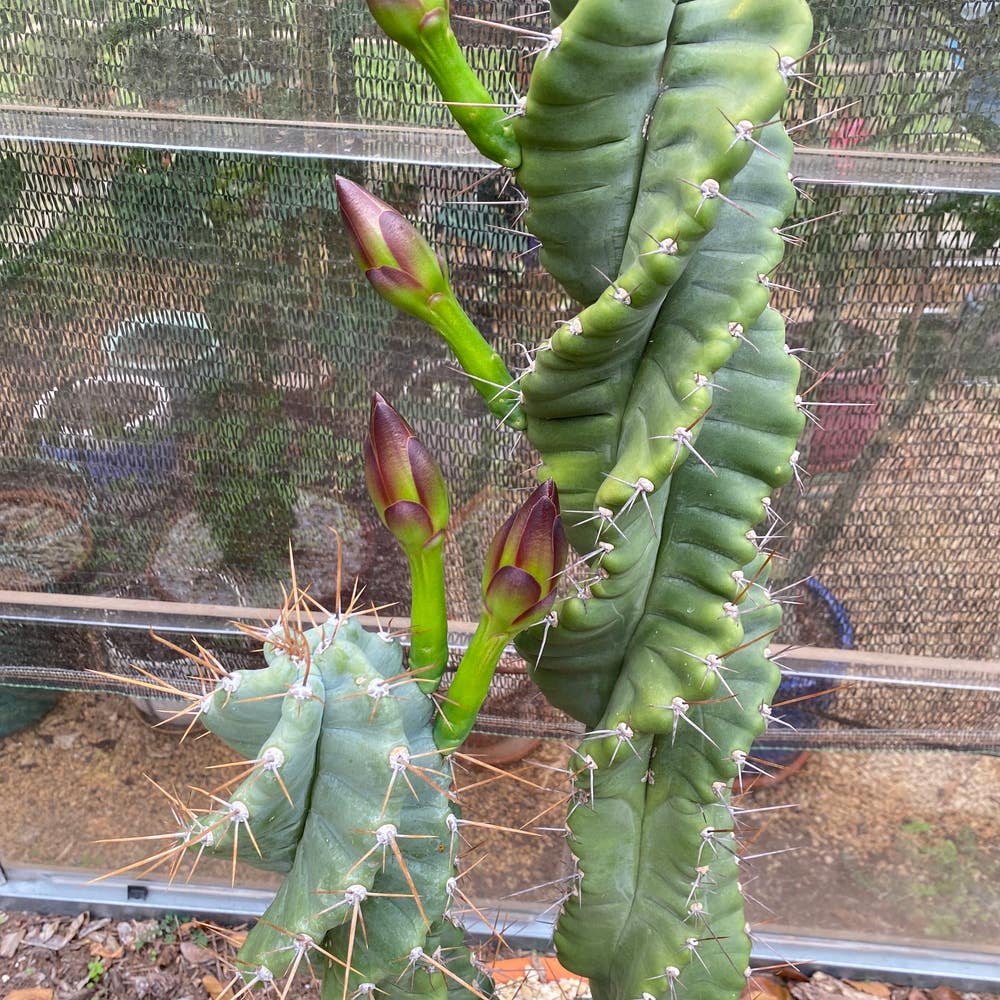
10 Essential Indoor Spiral Cactus Care Routines 🌵
Cereus forbesii 'Spiralis'
By the Greg Editorial Team
Sep 30, 2024•6 min read
This article was created with the help of AI so we can cover more plants for you. May contain errors. See one? Report it here.
- 🌞 Spiral cacti need 6-8 hours of light daily for optimal growth.
- 💧 Water every 2-3 weeks in summer; adjust for winter to prevent rot.
- 🌱 Use well-draining soil and prune regularly for healthy, thriving cacti.
Light Requirements
Ideal Indoor Light Levels 🌞
For your indoor spiral cactus, optimal light exposure is crucial. Aim for full sun to bright indirect light, providing 6-8 hours of light daily.
If your cactus isn't getting enough light, watch for signs like etiolation—where the plant stretches towards the light—and pale coloration. These are clear indicators that your cactus needs a brighter spot.
Role of Grow Lights 💡
Sometimes, natural light just doesn't cut it. If your indoor environment lacks sufficient sunlight, it's time to consider grow lights.
Grow lights can offer consistent light levels and extended growth periods, ensuring your cactus thrives even in less-than-ideal conditions. They can be a game-changer for indoor gardening.
Choosing the Best Grow Light 🛠️
When selecting grow lights, you have options: LED and fluorescent. Both can work, but LEDs are often more energy-efficient and longer-lasting.
Look for full-spectrum lights with a color temperature between 5000K and 6500K. This range mimics natural sunlight, promoting healthy growth.
For placement, position your grow lights 12-18 inches above the plant. This distance ensures optimal coverage without overwhelming your cactus with too much intensity.
With the right light conditions, your spiral cactus will flourish, setting the stage for the next essential care routine: watering needs.
Watering Needs
Frequency of Watering 🌊
Watering your indoor spiral cactus is crucial for its health. Generally, aim to water every 2-3 weeks during the growing season, ensuring the soil dries out between waterings.
As winter approaches, adjust your routine. Reduce watering frequency to once a month, as the plant enters a dormant phase and requires less moisture.
Signs of Overwatering and Underwatering 🚨
Understanding the signs of overwatering is essential. Look for yellowing stems, a mushy texture, and root rot, which can signal that your cactus is drowning.
On the flip side, underwatering can also harm your plant. Indicators include wrinkled skin, stunted growth, and browning tips, all of which suggest your cactus is thirsty and needs a drink.
By keeping a close eye on these signs, you can ensure your spiral cactus thrives. With the right watering routine, your cactus will flourish and bring a unique charm to your indoor space.
Next, let's explore the ideal humidity and temperature conditions for your cactus to thrive.
Humidity and Temperature
🌧️ Ideal Humidity Levels
For your indoor spiral cactus to thrive, aim for a humidity level between 30-50%. This range supports optimal growth and helps prevent issues like rot.
To maintain this humidity, consider using pebble trays filled with water or a humidifier. Both methods can effectively increase moisture in the air, creating a more suitable environment for your cactus.
🌡️ Temperature Preferences
Your cactus enjoys warm weather, preferring daytime temperatures between 70°F and 85°F (21°C to 29°C). This warmth encourages healthy growth and vibrant colors.
At night, allow temperatures to drop slightly to between 60°F and 70°F (15°C to 21°C). This fluctuation mimics natural conditions and can enhance your plant's resilience.
Seasonal adjustments are crucial. Protect your cactus from drafts and extreme temperature changes, especially during colder months. Keeping it away from air conditioning vents and open windows will help maintain a stable environment.
With the right humidity and temperature, your indoor spiral cactus will flourish. Next, let’s explore the best soil types and fertilization practices to keep your plant healthy and thriving.
Soil and Fertilization
🌱 Best Soil Types
Choosing the right soil is crucial for your indoor spiral cactus. A well-draining cactus mix is ideal, but you can also create your own blend using potting soil, sand, and perlite.
Proper drainage is essential. It prevents root rot and promotes healthy growth, ensuring your cactus thrives in its environment.
📅 Fertilization Schedule
Fertilizing your cactus helps it flourish. Aim to fertilize every 4-6 weeks during the growing season for optimal results.
When selecting fertilizers, go for balanced, water-soluble options with low nitrogen content, like a 10-10-10 mix. This will provide the nutrients your cactus needs without overwhelming it.
As you care for your spiral cactus, remember that the right soil and fertilization practices set the foundation for a healthy plant. With these tips, you’ll be well on your way to nurturing a vibrant indoor garden.
Next, let’s explore common issues and solutions to keep your cactus looking its best.
Common Issues and Solutions
🐜 Pest Prevention Strategies
Indoor spiral cacti can attract pests like mealybugs, spider mites, and scale. Regular inspections are crucial; check your plants weekly to catch any infestations early.
Maintaining cleanliness around your cactus is another effective prevention method. A quick wipe down of the surrounding area and using insecticidal soap can help keep these pests at bay.
⚠️ Common Problems and How to Address Them
Rot is a significant concern for cacti, often caused by overwatering. Look for signs like mushy stems or a foul smell; if detected, adjust your watering schedule immediately.
For pest infestations, identify the type of pest before treatment. Use targeted insecticides or natural remedies to eliminate them effectively, ensuring your cactus remains healthy.
✂️ Tips for Maintaining Plant Appearance
Pruning is essential for keeping your cactus looking its best. Remove any dead or damaged segments to promote new growth and maintain its unique shape.
Cleaning your cactus is equally important. Gently wipe off dust to enhance photosynthesis, allowing your plant to thrive and shine in your indoor space.
With these strategies, you can keep your indoor spiral cactus healthy and vibrant. Next, let’s explore the best practices for cactus placement to maximize its growth potential.
Cactus Placement
Ideal Locations 🌞
Finding the right spot for your indoor spiral cactus is crucial for its health. Aim for south or west-facing windows, where it can soak up maximum light exposure.
Avoid placing your cactus near drafts, such as air conditioning vents or open windows. These can disrupt its growth and lead to stress.
Aesthetic Considerations 🎨
Creating a visually appealing indoor garden can elevate your space. Grouping your spiral cactus with other cacti not only enhances its beauty but also creates a cohesive look.
Don't forget about decorative pots! Choosing pots that complement the unique spiral shape of your cactus can add an extra touch of charm to your indoor setup.
With the right placement and aesthetic choices, your cactus will thrive and bring a vibrant energy to your home. Next, let’s dive into the soil and fertilization needs to keep your cactus flourishing.
⚠️ Safety First
This content is for general information and may contain errors, omissions, or outdated details. It is not medical, veterinary advice, or an endorsement of therapeutic claims.
Always consult a qualified healthcare professional before using any plant as food, medicine, or supplement.
Never eat any plant (or feed one to pets) without confirming its identity with at least two trusted sources.
If you suspect poisoning, call Poison Control (800) 222-1222, the Pet Poison Helpline (800) 213-6680, or your local emergency service immediately.
Spotted an error? Please report it here.
Nurture your indoor spiral cactus to thriving heights 🌱 with Greg's tailored watering reminders and light exposure tips that make cactus care a breeze!