🌵 8 Key Phases of Spiral Cactus Development
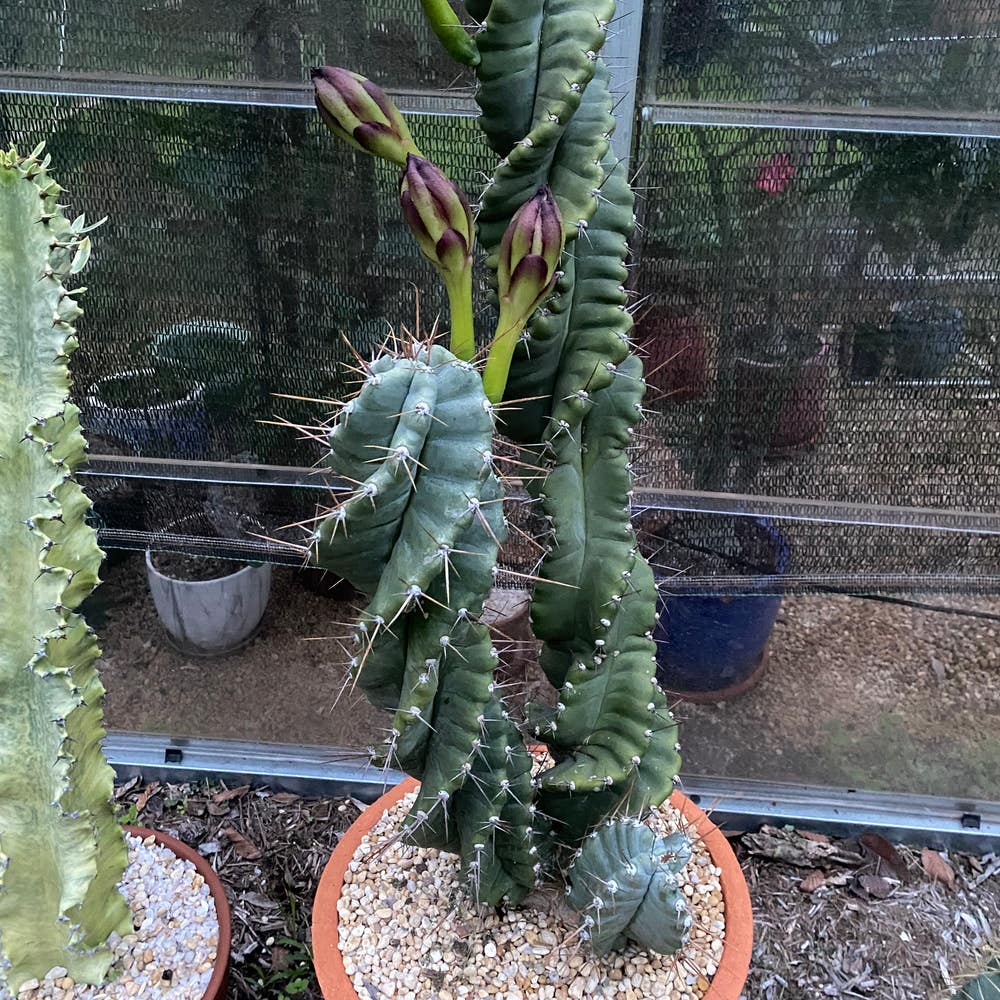
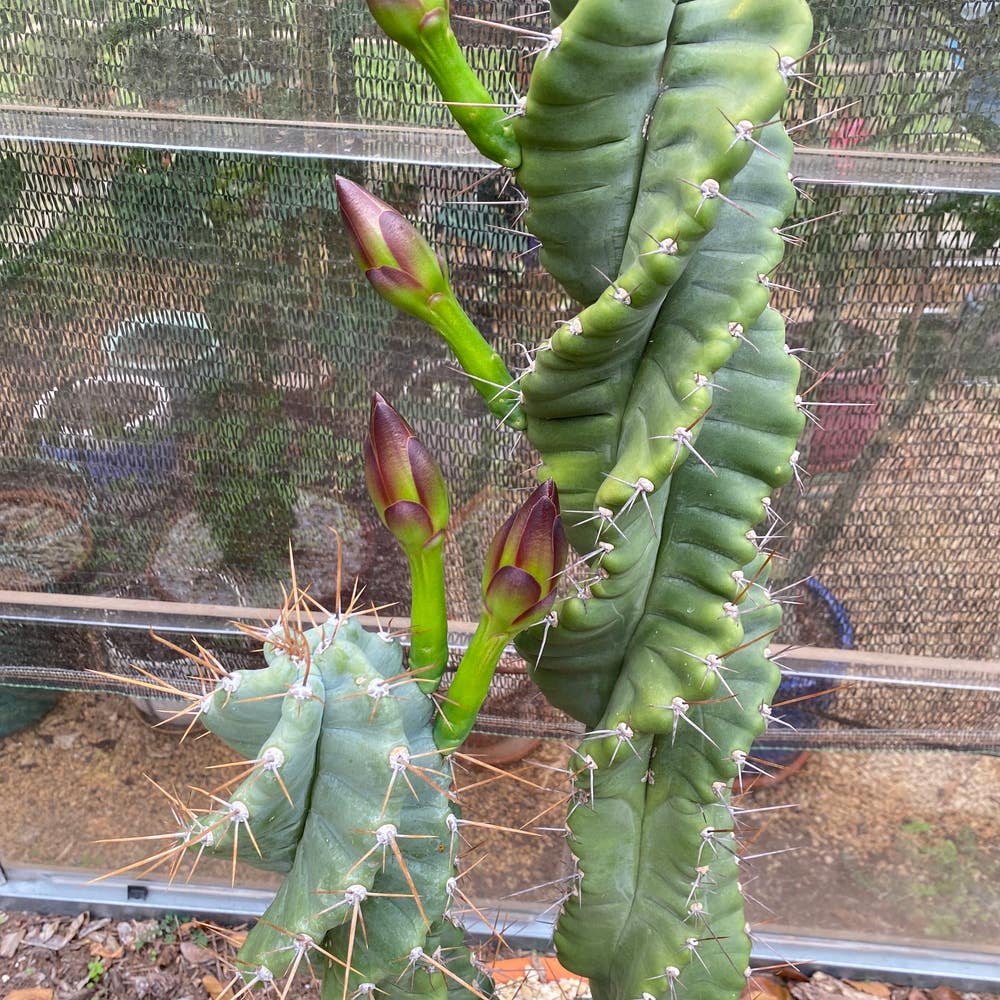
Cereus forbesii 'Spiralis'
By the Greg Editorial Team
Sep 30, 2024•6 min read
This article was created with the help of AI so we can cover more plants for you. May contain errors. See one? Report it here.
- 🌱 Spiral cactus seeds thrive in 70°F to 85°F with well-draining soil.
- 🌞 Full sun for 6-8 hours daily is essential during vegetative growth.
- 🌼 Self-pollination ensures seed production, even without pollinators.
Germination Stage
🌱 Conditions for Germination
To kick off the germination stage for spiral cactus seeds, the right conditions are crucial. Aim for an optimal temperature between 70°F to 85°F (21°C to 29°C) to create a cozy environment for your seeds.
Soil choice matters too. A well-draining cactus mix or sandy soil is ideal, as it prevents waterlogging that can suffocate the seeds.
Moisture levels should be just right—lightly moist but not soggy. Overwatering can lead to rot, so keep an eye on that soil!
⏳ Duration of Germination
Now, let’s talk about how long it takes for those seeds to sprout. Generally, you can expect germination to take about 2 to 4 weeks.
Several factors influence this timeframe, including temperature, moisture, and light exposure. Providing the right balance will speed up the process and set your cactus on the path to growth.
With the seeds sprouting, you're well on your way to nurturing a beautiful spiral cactus. Next, we’ll explore the exciting seedling stage, where your cactus begins to take shape!
Seedling Stage
🌱 Characteristics of Seedlings
During the seedling stage, spiral cactus seedlings typically stand between 1 to 3 inches tall. Their delicate structure is complemented by a bright green color, signaling healthy growth.
Shallow roots develop during this phase, making careful handling essential. Any rough treatment can hinder their growth, so gentle care is key.
⏳ Duration of Seedling Growth
Seedlings usually take about 4 to 6 months to grow strong enough for transplanting. This timeframe allows them to establish themselves in a nurturing environment.
Bright, indirect light is crucial during this stage, along with moderate watering. Overwatering can be detrimental, so it's important to strike the right balance.
As seedlings mature, they set the stage for the next exciting phase of growth. Understanding their needs now will ensure a smooth transition into the vegetative growth stage.
Vegetative Growth Stage
Description of Vegetative Growth 🌵
During the vegetative growth stage, the spiral shape of the cactus becomes more pronounced. This phase can see the plant reaching several feet in height, showcasing its unique form.
The leaf structure is notably reduced or even absent. Instead, the cactus focuses on stem growth, which is essential for photosynthesis.
Duration and Environmental Needs ⏳
This stage typically lasts between 1 to 3 years, depending on various factors. To achieve significant growth, the cactus requires full sun exposure, ideally 6 to 8 hours daily.
Watering needs during this phase are infrequent but should be deep. This approach encourages the development of a robust root system, vital for the plant's long-term health.
As the cactus thrives in this stage, it sets the foundation for the subsequent flowering phase. Understanding these growth dynamics is crucial for nurturing a healthy spiral cactus.
Flowering Stage
Conditions for Flowering 🌼
The flowering stage of spiral cacti is a magical time, typically triggered by adequate light and proper hydration. Aim for late spring to early summer, when the plant is most receptive to blooming.
Balanced fertilizer is essential during this phase. It supports the plant's nutrient needs, ensuring vibrant and healthy flowers.
Duration of Flowering ⏳
Once the flowers bloom, they usually last for about 1 to 2 weeks. This brief but stunning display is a highlight of the cactus's life cycle.
Pollination plays a crucial role here. Spiral cacti attract pollinators like bees, but they can also self-pollinate, ensuring seed production even in the absence of insects.
Flower Characteristics 🌈
The blooms are not just a feast for the eyes; they come in various colors depending on the species. This diversity adds to the allure of spiral cacti, making them a captivating addition to any garden.
As you nurture your cactus through this stage, remember that the flowering phase is just one part of its fascinating journey. Next, we’ll explore the seed production stage, where the cycle continues with the creation of new life.
Seed Production Stage
How Seeds are Produced 🌱
After the flowering stage, spiral cacti enter a fascinating phase of seed production. The plant develops seed pods that contain multiple seeds, ready to ensure the next generation thrives.
Seed dispersal is a crucial part of this process. Wind or animal activity can help spread these seeds, allowing them to find new homes where they can germinate and grow.
Duration of Seed Production ⏳
The timeframe for seed production is typically 4 to 6 weeks from the end of flowering to seed maturity. During this period, the seeds develop and prepare for their journey into the world.
Interestingly, these seeds can remain dormant for several years. They wait patiently for the right conditions to emerge, showcasing the resilience of nature and the adaptability of spiral cacti.
As we explore the growth rate and maturation of these remarkable plants, it’s essential to understand how their life cycle continues to unfold.
Growth Rate and Maturation
How Long Until Fully Grown? 🌱
Spiral cacti typically take about 3 to 5 years to reach their full height and maturity. This timeframe can vary based on specific care and environmental conditions.
Factors Influencing Growth Rate 🌍
Several factors can impact how quickly your cactus grows.
- Environmental Conditions: Light, temperature, and soil quality play crucial roles in development.
- Water Availability: These resilient plants are drought-resistant, which means they can grow slower in arid conditions.
Average Maturation Time ⏳
On average, spiral cacti mature in about 3 to 7 years. This variation depends on the species and the care they receive throughout their growth journey.
Understanding these growth dynamics can help you provide the right conditions for your spiral cactus, ensuring it thrives beautifully. As you nurture your plant, you'll witness its transformation, making the wait worthwhile.
Notable Changes Throughout Life Cycle
🌱 Physical Changes During Each Stage
The life cycle of a spiral cactus is a fascinating journey marked by distinct physical transformations.
Germination: This stage kicks off with the emergence of cotyledons, the first leaves that signal life.
Seedling: As the plant grows, it develops a robust stem structure, setting the foundation for future growth.
Vegetative: Here, the spiral shape becomes more pronounced, and the cactus can reach impressive heights.
Flowering: Finally, vibrant blooms appear, showcasing the plant's maturity and health.
🌿 Changes in Care Needs as the Plant Matures
As your spiral cactus evolves, its care requirements shift significantly.
Watering Frequency: Initially, seedlings need more frequent watering. However, as the plant establishes deeper roots, this frequency decreases.
Nutrient Requirements: During flowering and seed production stages, the cactus demands more nutrients to support its vibrant growth and reproduction.
Understanding these changes not only enhances your care routine but also deepens your appreciation for this remarkable plant.
Next, we’ll explore how long it takes for a spiral cactus to reach its full height and maturity.
⚠️ Safety First
This content is for general information and may contain errors, omissions, or outdated details. It is not medical, veterinary advice, or an endorsement of therapeutic claims.
Always consult a qualified healthcare professional before using any plant as food, medicine, or supplement.
Never eat any plant (or feed one to pets) without confirming its identity with at least two trusted sources.
If you suspect poisoning, call Poison Control (800) 222-1222, the Pet Poison Helpline (800) 213-6680, or your local emergency service immediately.
Spotted an error? Please report it here.
Unlock the secrets of your spiral cactus's growth journey 🌱 with Greg's tailored care tips and watering reminders, ensuring it thrives at every stage!