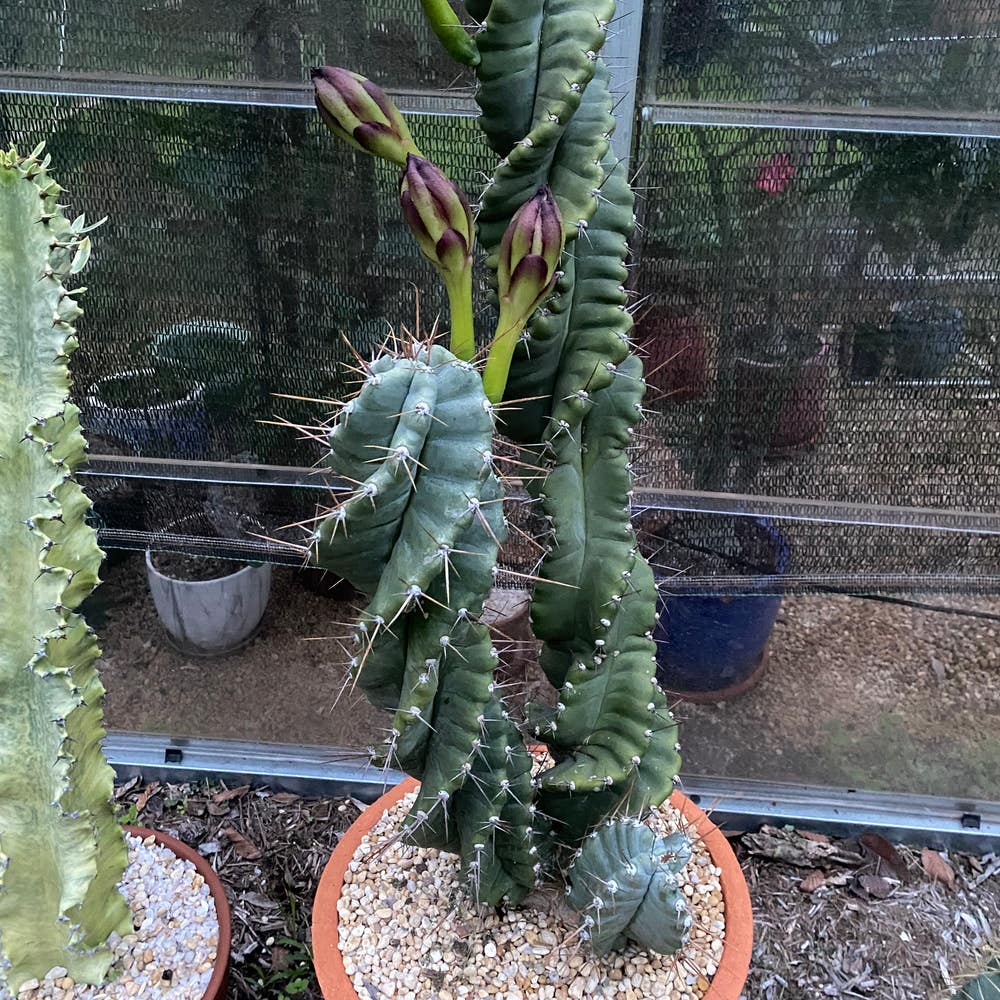
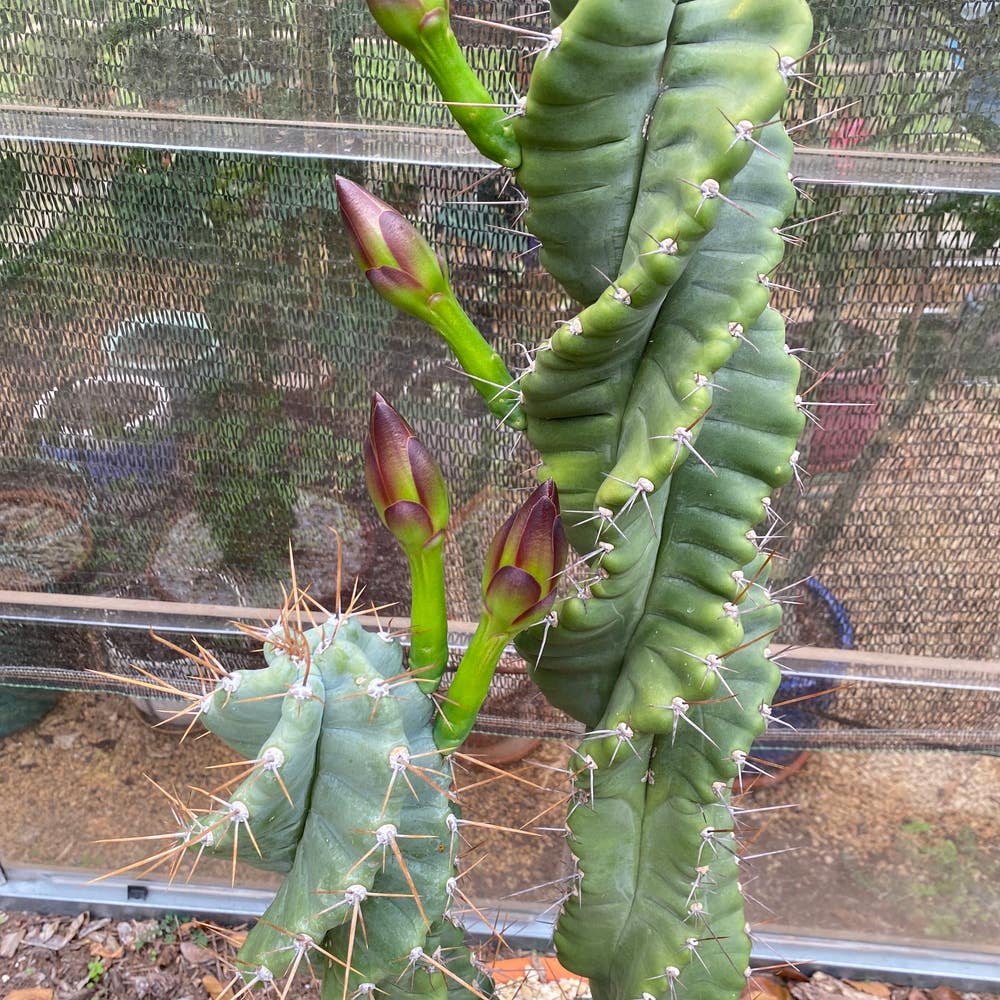
🌵 Step-by-Step Guide to Fixing Flower Issues in Spiral Cactus
Cereus forbesii 'Spiralis'
By the Greg Editorial Team
Sep 30, 2024•5 min read
This article was created with the help of AI so we can cover more plants for you. May contain errors. See one? Report it here.
- 🌵 Common flowering issues include failure to bloom and premature flower drop in spiral cacti.
- 💡 Insufficient light and nutrients are key causes of blooming problems. Adjust care accordingly.
- 🌞 Consistent conditions and proper fertilization enhance flower quality and encourage blooming.
Common Problems Affecting Flowering
🌸 Failure to Bloom
Potential Causes
Several factors can lead to a cactus failing to bloom. Environmental issues, such as insufficient light or inappropriate temperature, often play a significant role.
Nutritional deficiencies, particularly a lack of essential nutrients, can also hinder flowering. Additionally, stress factors like overwatering or pest infestations can disrupt the blooming process.
Solutions
To encourage blooming, adjust light exposure to ensure your cactus receives 6-8 hours of bright, indirect light daily.
Nutrient supplementation is crucial; use a balanced cactus fertilizer during the growing season to provide necessary nutrients.
Monitor your watering practices closely to prevent root rot, which can stress the plant and inhibit blooming.
🌼 Premature Flower Drop
Potential Causes
Premature flower drop can be frustrating and is often caused by environmental stress. Sudden temperature changes or inadequate humidity can shock the plant.
Nutritional imbalances, particularly insufficient potassium or phosphorus, can also lead to flower drop. Furthermore, pest infestations, such as aphids or mealybugs, can weaken the plant and cause flowers to fall prematurely.
Solutions
To combat premature flower drop, maintain stable temperatures and humidity levels around your cactus.
Applying a high-potassium fertilizer can support flower retention and promote healthier blooms.
Regularly inspect your cactus for pests and treat any infestations with insecticidal soap to protect your plant.
🌺 Abnormal Flower Development
Potential Causes
Abnormal flower development can stem from genetic factors, as different varieties of cacti have unique flowering characteristics.
Environmental stress, such as inconsistent light or temperature fluctuations, can also affect flower quality. Nutritional deficiencies, particularly a lack of micronutrients, may further compromise flower development.
Solutions
Choose healthy, well-established plants to improve flowering traits and reduce the risk of abnormal development.
Providing consistent light and temperature conditions is essential for stabilizing growth and flowering.
Using micronutrient-rich fertilizers can enhance flower quality, ensuring your cactus blooms beautifully.
By addressing these common problems, you can foster a thriving cactus that rewards you with stunning flowers. Next, let’s explore the impact of light on flowering and how to optimize conditions for your cactus.
Impact of Light on Flowering
🌟 Importance of Light for Flowering
Light plays a vital role in photosynthesis, which is essential for the overall health of your spiral cactus. It directly influences the bloom cycle, making adequate light exposure crucial for vibrant flowers.
☀️ Optimal Light Conditions for Blooming
For optimal blooming, your cactus needs 6-8 hours of bright, indirect sunlight each day. Be cautious of direct sunlight during peak hours, as it can lead to sunburn and damage your plant.
🚫 Signs of Insufficient Light
If your cactus is not getting enough light, you might notice stunted growth, elongated stems, and a lack of flower buds. To remedy this, consider moving your cactus to a brighter location or supplementing its light with grow lights.
Understanding the impact of light on flowering can significantly enhance your cactus care routine. With the right light conditions, you’ll be well on your way to enjoying a flourishing display of blooms.
Nutritional Needs for Flowering
🌱 Essential Nutrients for Flower Development
To thrive and produce stunning blooms, your spiral cactus needs a balanced diet. Key nutrients include nitrogen, phosphorus, potassium, and essential micronutrients.
🌼 Recommended Fertilizers for Flowering
Using the right fertilizer can make all the difference. Opt for a balanced cactus fertilizer with a higher potassium ratio during the blooming period.
- Application Frequency: Fertilize every 4-6 weeks during the growing season to keep your cactus nourished.
⚠️ Signs of Nutrient Deficiency
Watch for signs that your cactus might be lacking essential nutrients. Common symptoms include yellowing leaves, poor flower development, and stunted growth.
If you notice these issues, consider conducting a soil test to identify deficiencies. Adjust your fertilization strategy accordingly to ensure your cactus gets the nutrients it craves.
With the right care, your spiral cactus can flourish and reward you with beautiful blooms. Next, let’s explore how pruning can further enhance flowering.
Pruning and Its Effects on Flowering
🌱 When and How to Prune
Pruning your spiral cactus is best done after flowering. This timing encourages new growth and helps the plant focus its energy on producing fresh blooms.
Use clean, sharp tools to remove any dead or damaged stems. This not only improves the plant's appearance but also promotes overall health.
🌼 Impact of Pruning on Flower Production
Pruning plays a crucial role in flower production. By promoting airflow around the plant, you reduce the risk of diseases that can hinder blooming.
Healthy blooms thrive in an environment where air circulates freely. Pruning helps create that ideal setting.
✂️ Techniques to Promote Healthy Blooms
Focus on strategic pruning to enhance flowering. Prioritize removing older growth, which can sap energy from new flowering stems.
This approach encourages the cactus to channel its resources into producing vibrant, healthy flowers. Regular maintenance will keep your cactus flourishing and ready to bloom beautifully.
With proper pruning techniques, your spiral cactus can reach its full flowering potential. Now, let’s explore how seasonal care adjustments can further optimize blooming.
Seasonal Considerations for Flowering
🌱 Seasonal Care Adjustments for Optimal Flowering
As the seasons change, so should your care routine for your spiral cactus. In spring, ramp up watering and fertilization as temperatures rise to support new growth.
During the summer, keep a close eye on pests and adjust your watering frequency to prevent stress. This proactive approach ensures your cactus remains healthy and vibrant.
🌼 Common Seasonal Problems Affecting Blooms
Seasonal shifts can introduce challenges that affect flowering. Heat stress is a common issue in summer, while overwatering can occur during rainy seasons.
In winter, inadequate light can hinder blooming. To combat these problems, adjust your care practices according to the season. This adaptability will help maintain your cactus's health and encourage beautiful blooms.
By staying attuned to seasonal changes, you can foster an environment where your spiral cactus thrives. Now, let’s explore how light impacts flowering and its importance in the blooming process.
⚠️ Safety First
This content is for general information and may contain errors, omissions, or outdated details. It is not medical, veterinary advice, or an endorsement of therapeutic claims.
Always consult a qualified healthcare professional before using any plant as food, medicine, or supplement.
Never eat any plant (or feed one to pets) without confirming its identity with at least two trusted sources.
If you suspect poisoning, call Poison Control (800) 222-1222, the Pet Poison Helpline (800) 213-6680, or your local emergency service immediately.
Spotted an error? Please report it here.
Ensure your spiral cactus blooms vibrantly 🌼 by using Greg's tailored care tips and reminders for optimal light and nutrition!