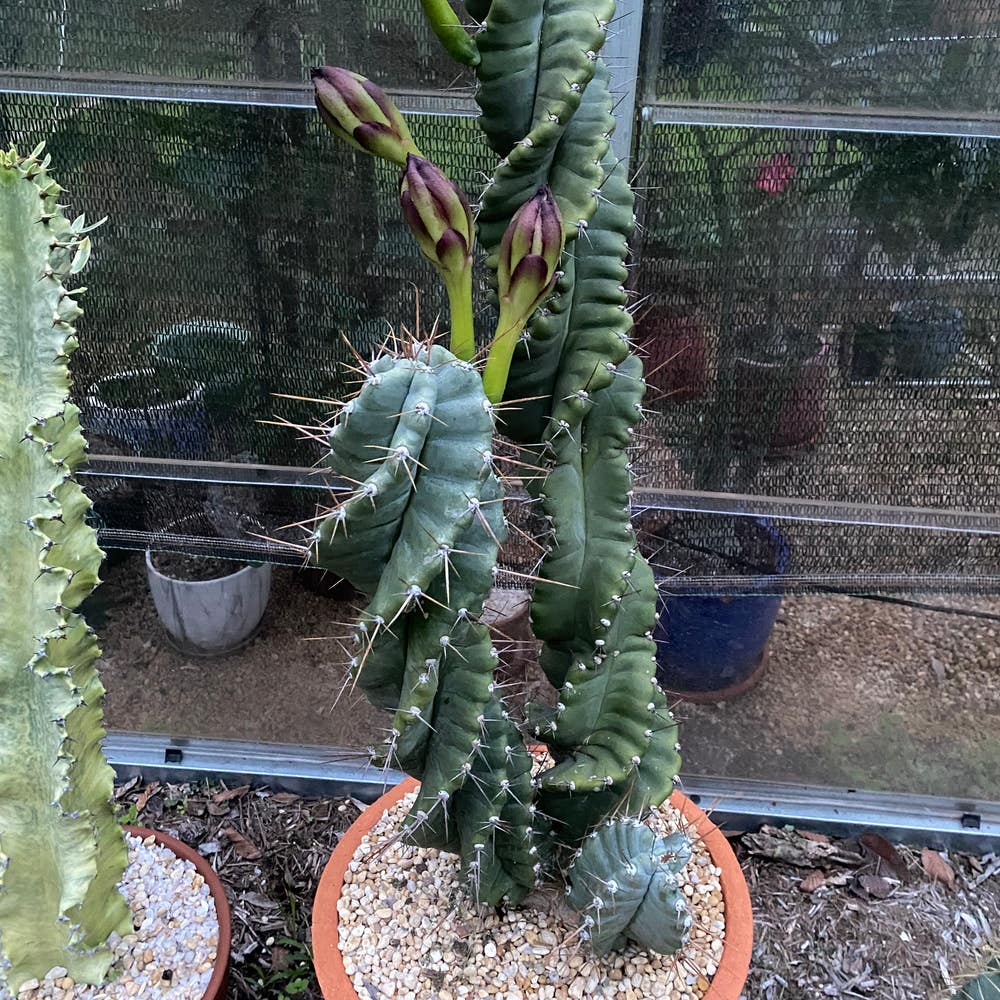
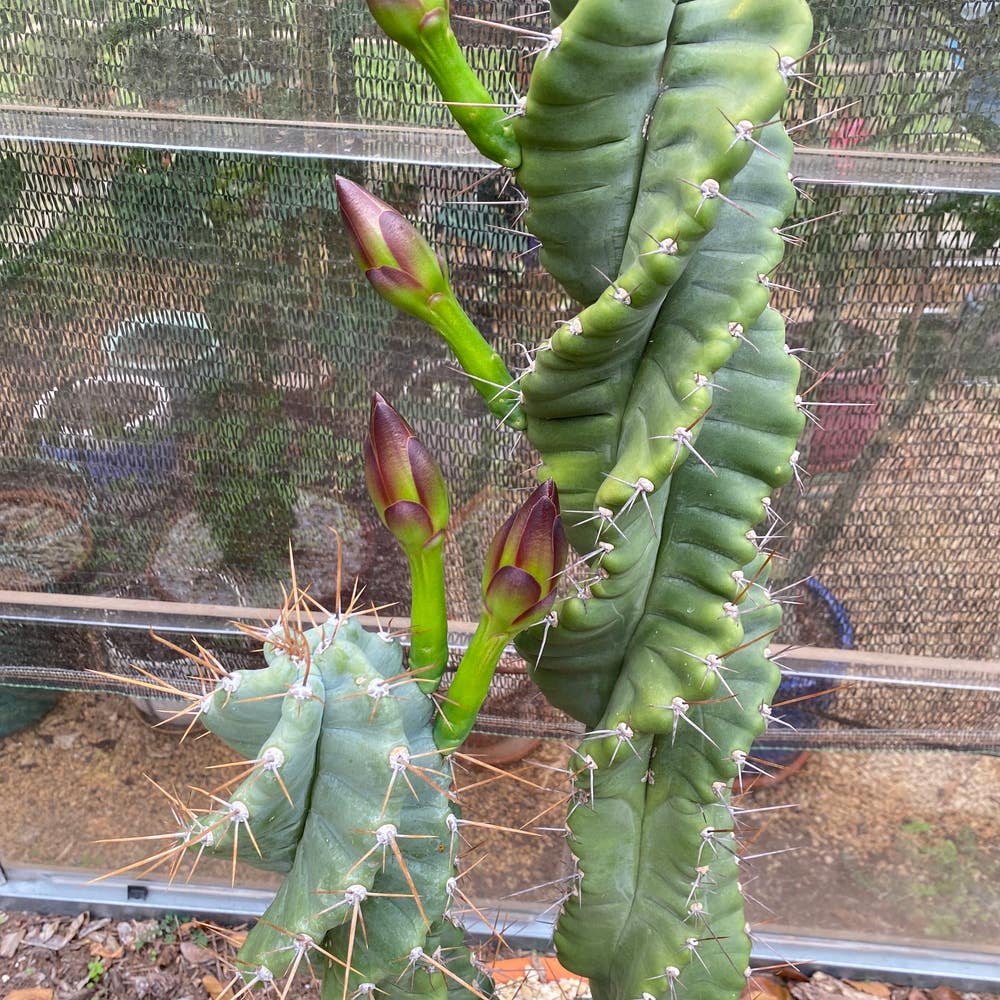
🌵 Spiraled Cereus Explained: Key Information
Cereus forbesii 'Spiralis'
By the Greg Editorial Team
Jan 23, 2025•12 min read
This article was created with the help of AI so we can cover more plants for you. May contain errors. See one? Report it here.
- 🌞 Spiraled Cereus needs 6-8 hours of sunlight daily for optimal growth.
- 🌡️ Thrives in warm temperatures between 70°F to 100°F (21°C to 38°C).
- 🌵 Requires well-draining soil with a pH of 6.0 to 7.0 for best results.
How to Grow
Choosing the Right Location 🌞
To ensure your Spiraled Cereus thrives, choose a spot with full sun exposure. Aim for at least 6-8 hours of sunlight daily to keep it healthy and vibrant.
Temperature is another key factor. This cactus prefers warm conditions, ideally between 70°F to 100°F (21°C to 38°C), making it perfect for those sunny, warm days.
Soil Preparation 🏜️
Next, focus on soil preparation. A well-draining cactus mix or sandy loam is essential for optimal growth.
The soil pH should be slightly acidic to neutral, ideally between 6.0 to 7.0. Don’t forget to ensure your pots have drainage holes to prevent waterlogging.
Planting Techniques 🌱
When it comes to planting, depth matters. Plant your Spiraled Cereus at the same depth as it was in the nursery pot to avoid stress.
For outdoor planting, space your plants 3-5 feet apart. This gives them room to grow and flourish without competing for resources.
Watering Guidelines 🚰
Watering is crucial for your cactus's health. Check the top inch of soil; when it’s dry, it’s time to water, typically every 2-3 weeks during the growing season.
Use a deep watering method but do it infrequently. This encourages the roots to grow deep, making your plant more resilient.
Fertilizing Schedule 🍽️
Fertilizing your Spiraled Cereus will help it thrive. Use a balanced cactus fertilizer with an NPK ratio of 10-10-10.
Fertilize every 4-6 weeks during the growing season, which spans spring and summer. This will provide the nutrients needed for robust growth.
Pruning Practices ✂️
Pruning is an important part of care. Aim to prune in late winter or early spring, just before new growth begins.
When pruning, remove any dead or damaged stems using clean, sharp tools. This keeps your plant healthy and encourages new growth.
Ongoing Care 🔄
Ongoing care is essential for a thriving Spiraled Cereus. Regularly monitor your plant for signs of stress or disease.
As seasons change, adjust your care accordingly. Reduce watering during the winter months when growth slows to prevent overwatering.
With these guidelines, you'll be well on your way to growing a healthy and beautiful Spiraled Cereus. Next, let’s explore how to propagate this stunning cactus for even more greenery!
Propagation
🌱 Methods of Propagation
Propagating Spiraled Cereus can be done through seeds or cuttings, both effective methods for expanding your collection.
- Seeds: Sow seeds in well-draining soil and keep them moist until they germinate.
- Cuttings: Take 6-8 inch cuttings from healthy stems and allow them to callous before planting.
📋 Step-by-Step Instructions for Each Method
Seeds:
- Sow seeds about 1/4 inch deep in the soil.
- Maintain humidity until germination occurs, which typically takes 7-14 days.
Cuttings:
- Allow cuttings to dry for 1-2 days to form a callous.
- Plant them in cactus mix and water lightly to encourage root development.
🌡️ Ideal Conditions for Successful Propagation
For optimal growth, keep your seeds and cuttings in warm temperatures ranging from 70°F to 85°F. Bright, indirect light will also help ensure successful propagation, giving your new plants the best chance to thrive.
With these propagation techniques, you can easily expand your Spiraled Cereus collection and enjoy the beauty of these unique cacti. Next, let’s explore the lifecycle of the Spiraled Cereus and understand its growth stages.
Lifecycle
Lifecycle Stages 🌱
The lifecycle of the Spiraled Cereus begins with germination, where seeds sprout in just 7-14 days under optimal conditions. Following this, the seedling stage lasts 2-3 months, during which roots develop and initial growth occurs.
Vegetative Growth 🌿
Next comes the vegetative growth phase, a period of rapid growth that can last several months. During this time, the plant establishes itself, preparing for the next exciting stage: flowering.
Flowering 🌸
Typically occurring in summer, the Spiraled Cereus produces large, nocturnal flowers that are a sight to behold. This stunning display not only enhances its beauty but also attracts pollinators.
Seed Production 🌾
After flowering, seeds develop and mature in late summer. This stage is crucial for the continuation of the species, allowing for new plants to emerge.
Lifespan and Growth Rate ⏳
With proper care, the Spiraled Cereus can live for several decades, showcasing its resilience. It takes about 3-5 years to reach full maturity, growing at a moderate rate of approximately 12 inches per year under ideal conditions.
Conclusion 📚
Understanding the lifecycle of the Spiraled Cereus is essential for successful cultivation. By recognizing each stage, you can provide the right care and support, ensuring your plant thrives beautifully. Next, let’s explore the size of this remarkable cactus and what to expect as it grows.
Size
Mature Dimensions 🌱
The Spiraled Cereus can grow impressively tall, reaching heights of 10 to 15 feet. Its spread typically ranges from 2 to 3 feet wide, making it a striking addition to any landscape.
Growth Rate and Size Variability 📈
Growth rate is largely influenced by environmental factors such as light, water, and soil conditions. Whether grown indoors or outdoors, the size of your Spiraled Cereus can vary significantly based on these growing conditions.
Understanding these dimensions and growth factors can help you plan the perfect spot for your Spiraled Cereus, ensuring it thrives and becomes a stunning focal point in your garden or home.
Roots
Characteristics of the Root System 🌱
The Spiraled Cereus features a fibrous root system that spreads widely. This adaptation allows the plant to efficiently search for moisture, with roots capable of extending 2-3 feet deep.
Common Root-Related Issues ⚠️
Root health is crucial for the vitality of your Spiraled Cereus. Overwatering can lead to root rot, characterized by mushy roots, while a rootbound condition occurs when roots fill the pot, resulting in stunted growth.
Visual Cues for Healthy vs. Unhealthy Roots 👀
Identifying root health is straightforward. Healthy roots are firm and white, while unhealthy roots appear brown and mushy, indicating potential rot.
Tips for Managing Root Health 🛠️
To maintain robust roots, repot your Spiraled Cereus every 2-3 years. Additionally, ensure proper drainage to prevent root rot, allowing your plant to thrive.
Understanding these root characteristics and issues will help you provide the best care for your Spiraled Cereus. Next, let's explore the benefits of growing this unique plant.
Benefits
Top 5 Benefits of Growing 🌱
Ornamental Appeal
The Spiraled Cereus stands out with its unique spiral shape, making it a striking addition to any garden. Its architectural form adds visual interest, drawing the eye and sparking conversation.
Drought Tolerance
This cactus thrives on minimal water, making it perfect for xeriscaping. Its ability to withstand dry conditions means less worry about watering schedules, especially during hot months.
Air Purification
Beyond aesthetics, the Spiraled Cereus contributes to better indoor air quality. It helps filter out pollutants, creating a healthier environment in your home.
Cultural Significance
Historically, this plant has been valued in traditional medicine. Its cultural roots add depth to its presence in your garden, connecting you to a rich heritage.
Low Maintenance
Once established, the Spiraled Cereus requires minimal care. This low-maintenance nature makes it ideal for busy gardeners or those new to plant care.
Embracing the Spiraled Cereus in your garden not only enhances its beauty but also brings practical benefits. Next, let’s explore the best companion plants that thrive alongside this unique cactus.
Companion Plants
Best Companion Plants 🌱
When it comes to pairing plants with your Spiraled Cereus, consider these top choices:
Agave
Agave thrives under similar conditions, making it an excellent companion. Both plants enjoy well-draining soil and require minimal water.
Sedum
Sedum not only complements the unique aesthetic of the Spiraled Cereus but also flourishes in similar environments. This hardy succulent adds vibrant color and texture to your garden.
Lavender
Lavender is a fantastic addition as it repels pests while attracting beneficial insects. Its fragrant blooms create a delightful atmosphere around your Spiraled Cereus.
Plants to Avoid 🚫
While some plants work harmoniously with your Spiraled Cereus, others can create competition for nutrients.
Heavy Feeders
Avoid planting heavy feeders like tomatoes nearby. These plants can drain the soil of essential nutrients, leaving your Cereus struggling to thrive.
By carefully selecting companion plants, you can enhance the beauty and health of your Spiraled Cereus. This thoughtful approach not only supports your cactus but also creates a vibrant garden ecosystem. Next, let’s explore the fascinating topic of toxicity and safety regarding Spiraled Cereus for humans and pets.
Toxicity to Humans
Spiraled Cereus is a safe choice for your home and garden, as it is not listed as toxic by major poison control centers. You can handle and even ingest small amounts without worry, though excessive contact or ingestion might lead to minor issues.
It's always wise to be cautious, especially if you have children or pets. While Spiraled Cereus is generally harmless, it's best to monitor any unusual reactions just to be safe.
With its unique appearance and low maintenance needs, this plant can be a delightful addition to your space without the toxicity concerns that come with some other houseplants. Enjoy the beauty of Spiraled Cereus, knowing it won't pose a threat to your health!
Toxicity to Dogs
Spiraled Cereus is generally safe for dogs, as it is not listed as toxic by major pet poison control centers. However, if your furry friend decides to munch on it, they might experience mild gastrointestinal upset if they ingest large quantities.
It's always a good idea to keep an eye on your dog's behavior around new plants. If you notice any unusual signs after they've been near the Spiraled Cereus, consult your veterinarian for peace of mind.
In summary, while Spiraled Cereus poses minimal risk, a little caution goes a long way in ensuring your pet's safety. Next, let's explore how this fascinating plant interacts with our feline friends.
Toxicity to Cats
Spiraled Cereus is generally safe for cats, as it is not listed as toxic by major pet poison control centers.
However, if your feline friend decides to nibble on this cactus, mild gastrointestinal upset may occur if they ingest large quantities.
👀 Monitoring Your Cat
It's essential to keep an eye on your cat's behavior around new plants.
If you notice any signs of discomfort or unusual behavior after they’ve been near the Spiraled Cereus, it’s best to consult your veterinarian.
👐 Safe Handling Practices
To ensure your cat's safety, consider placing the plant in an area that’s less accessible to them.
This way, you can enjoy the beauty of your Spiraled Cereus without worrying about your curious kitty getting into trouble.
In summary, while Spiraled Cereus poses minimal risk to cats, vigilance is key to maintaining a harmonious home for both your plants and pets.
Next, let’s explore the potential problems that can arise when caring for your Spiraled Cereus.
Problems
Common Problems 🌱
Growing Spiraled Cereus can be rewarding, but it’s not without its challenges. Here are some common problems you might encounter:
Incorrect Watering
Overwatering can lead to wilting, while underwatering causes shriveling. It's crucial to find that sweet spot in between.
Incorrect Light Conditions
If your plant's leaves start yellowing or growing leggy, it’s a sign it’s not getting enough light. Make sure it’s basking in full sun for at least 6-8 hours daily.
Incorrect Temperature
Cold drafts can stress your Spiraled Cereus, leading to damage. Keep it in a warm environment, ideally between 70°F to 100°F (21°C to 38°C).
Diseases
Fungal issues, like powdery mildew, can arise in humid conditions. Keep an eye out for any unusual growths or discoloration.
Root Problems
Root rot is a significant concern, often caused by overwatering. Symptoms include mushy roots, which indicate it’s time to reassess your watering habits.
Identification and Solutions 🔍
Recognizing these symptoms early can save your plant from further damage.
- Watering Issues: Adjust your watering schedule based on the soil's moisture level.
- Light Problems: Move your plant to a brighter location if you notice leggy growth.
- Temperature Stress: Shield your plant from cold drafts by relocating it to a more stable environment.
- Fungal Diseases: Treat any fungal issues promptly with appropriate fungicides.
- Root Health: If you suspect root rot, consider repotting your plant in fresh, well-draining soil.
By staying vigilant and adjusting care as needed, you can help your Spiraled Cereus thrive. Next, let’s explore the fascinating world of pests that might also affect your plant.
Bugs
Potential Pest Issues 🐜
While the Spiraled Cereus is generally pest-resistant, it can still fall victim to a few pesky intruders. Keeping an eye out for these common pests can help maintain the health of your plant.
Identification and Damage 🔍
Spider Mites: Look for fine webbing and stippled leaves, which indicate these tiny troublemakers are at work.
Scale Insects: These pests leave behind a sticky residue and cause yellowing leaves, making them easy to spot.
Mealybugs: Characterized by cotton-like masses on stems and leaves, mealybugs can quickly become a nuisance if not addressed.
Treatment Options 💊
To combat soft-bodied pests like spider mites and mealybugs, consider using neem oil or insecticidal soap.
Regular inspections and early intervention are key to managing infestations effectively. Keeping your Spiraled Cereus healthy means staying vigilant against these potential threats.
With the right care, you can enjoy a thriving plant that stands tall and proud in your garden.
What Eats Spiraled Cereus
🦌 Common Animals
Spiraled Cereus can attract a few hungry visitors in the garden.
Deer: These graceful creatures often leave behind chewed stems and missing foliage as evidence of their snacking.
Rabbits: Look for signs of damage characterized by gnawed stems and leaves, indicating that these little nibblers have been at work.
Squirrels: These energetic critters may dig around the base or munch on young shoots, leaving their mark on your plant.
🚧 Signs of Damage and Deterrence
To protect your Spiraled Cereus, keep an eye out for tracks, droppings, or visible damage to the plant.
Implementing some simple deterrents can help safeguard your garden.
Fencing or Netting: A physical barrier can effectively keep larger animals at bay.
Repellents: Consider using natural repellents or planting deterrent species nearby to discourage these hungry visitors from feasting on your plants.
By staying vigilant and proactive, you can enjoy the beauty of your Spiraled Cereus without the worry of unwanted munchers.
⚠️ Safety First
This content is for general information and may contain errors, omissions, or outdated details. It is not medical, veterinary advice, or an endorsement of therapeutic claims.
Always consult a qualified healthcare professional before using any plant as food, medicine, or supplement.
Never eat any plant (or feed one to pets) without confirming its identity with at least two trusted sources.
If you suspect poisoning, call Poison Control (800) 222-1222, the Pet Poison Helpline (800) 213-6680, or your local emergency service immediately.
Spotted an error? Please report it here.
Cultivate a thriving Spiraled Cereus that beautifies your space and purifies the air 🌵 by using Greg's personalized care reminders to ensure your cactus gets the attention it needs!