Best Tips for Healthy Spiral Cactus Roots 🌵
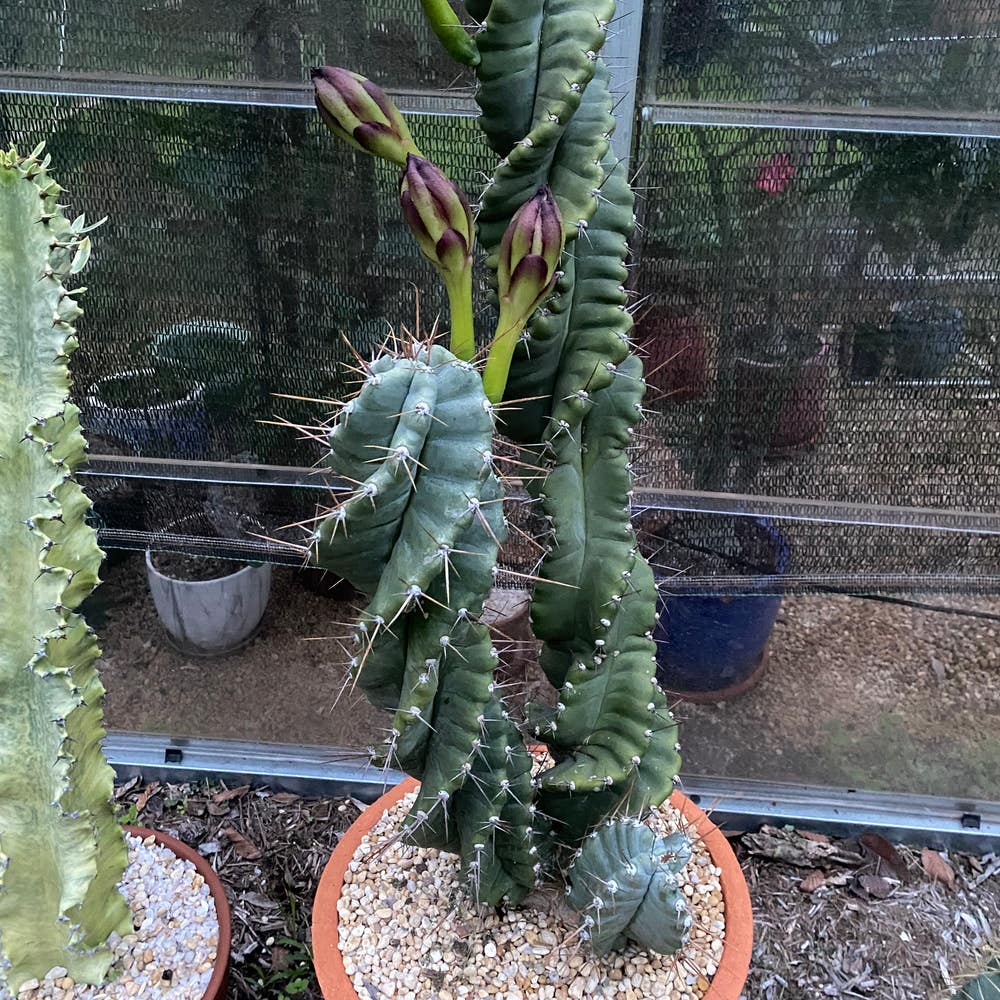
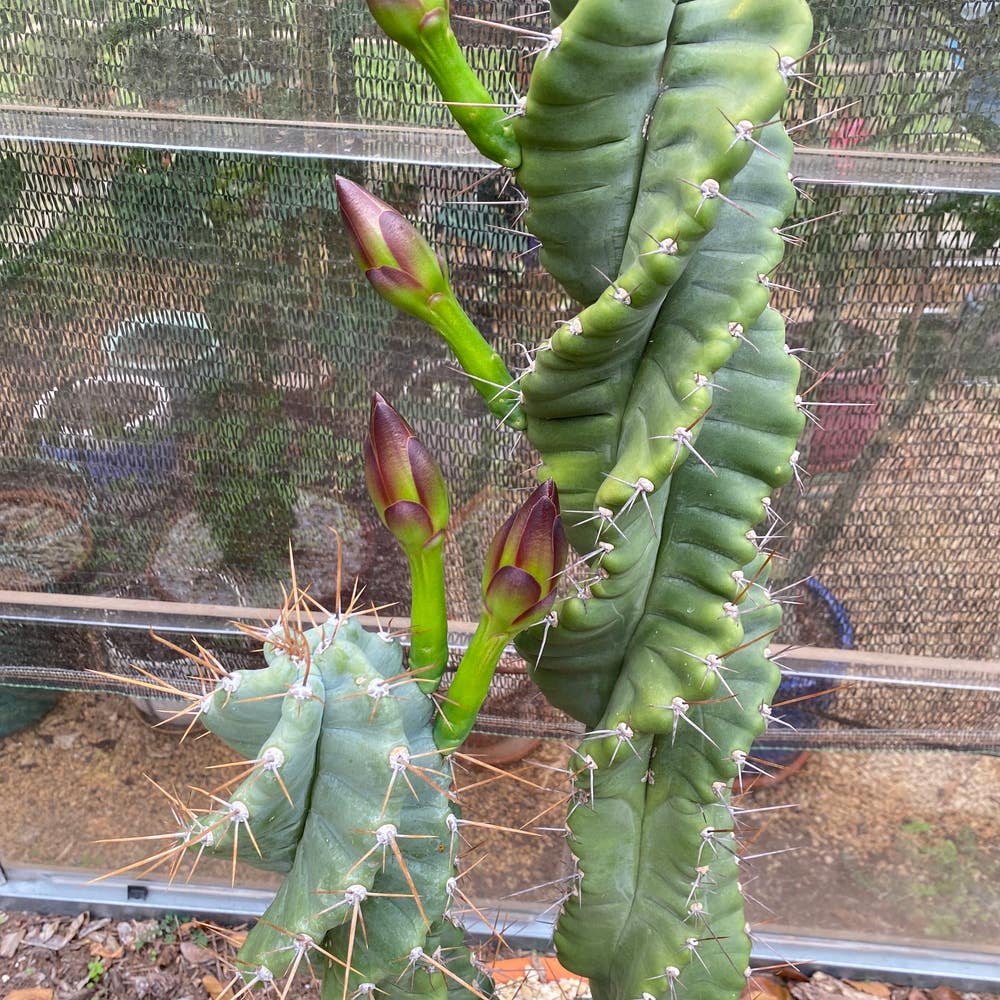
Cereus forbesii 'Spiralis'
By the Greg Editorial Team
Sep 30, 2024•6 min read
This article was created with the help of AI so we can cover more plants for you. May contain errors. See one? Report it here.
- 🌵 Spiral cacti thrive with fibrous roots, efficiently absorbing water in dry conditions.
- 🌱 Prevent root rot by using well-draining soil and allowing soil to dry out.
- 🔍 Monitor root health for signs of issues like rot or pests to ensure vitality.
Root System Characteristics
Type and Characteristics 🌱
Spiral cacti boast a fibrous root system, which is essential for their survival in harsh environments. This type of root structure allows for efficient water absorption, enabling the plant to thrive even in arid conditions.
These roots are not just about survival; they also demonstrate remarkable adaptability. Whether in rocky or sandy soils, spiral cacti can penetrate and establish themselves, ensuring they get the nutrients and moisture they need.
Understanding these characteristics is crucial for anyone looking to cultivate healthy spiral cacti. A robust root system lays the foundation for a thriving plant, making it imperative to nurture and care for these roots effectively.
As we explore further, we’ll dive into the specifics of root depth, spread, and growth patterns, which are equally vital for the health of your spiral cactus.
Root Depth, Spread, and Growth Patterns
Root Depth 🌱
Spiral cacti typically develop a root depth ranging from 1 to 3 feet. This depth allows them to adapt well to various soil types, including rocky and sandy environments.
Root Spread 🌍
These cacti can spread their roots horizontally up to 2 feet wide. This spread is crucial for effective nutrient absorption and provides stability to the plant.
Growth Patterns 🌼
Spiral cacti experience active growth during the spring and summer months. In contrast, they enter a dormancy phase in the fall and winter, which significantly impacts root activity.
Understanding these root characteristics is essential for nurturing healthy spiral cacti. Next, we’ll explore best practices for watering, fertilizing, and transplanting to ensure your cactus thrives.
Watering, Fertilizing, and Transplanting
💧 Watering Practices
Watering your Spiral Cactus is crucial for its health. Aim to water every 2-4 weeks during the growing season, ensuring the soil dries out completely between waterings.
This practice prevents root rot and encourages robust growth. Remember, cacti thrive in arid conditions, so less is often more.
🌱 Fertilizing Techniques
When it comes to fertilizing, opt for low-nitrogen, high-phosphorus options. This nutrient balance supports flowering and overall plant vigor.
Fertilize every 4-6 weeks during the growing season. Dilute the fertilizer and incorporate it into the soil for best results, ensuring your cactus gets the nutrients it craves without overwhelming it.
🌿 Transplanting Best Practices
Transplanting is a delicate process that requires timing and care. The best time to repot your Spiral Cactus is early spring, just before it enters its active growth phase.
Use clean, sharp tools to minimize damage to the roots. This attention to detail helps your cactus transition smoothly into its new home, promoting healthy growth and stability.
With proper watering, fertilizing, and transplanting techniques, your Spiral Cactus will thrive, setting the stage for a vibrant and resilient plant. Next, let’s explore common root-related issues and how to identify them.
Common Root-Related Issues
🕵️ Identifying Problems
Root health is crucial for the vitality of your Spiral Cactus. One of the most common issues is root rot, which manifests through wilting, a foul odor, and blackened roots.
Additionally, pests like root mealybugs can wreak havoc on your cactus's root system. These pests can lead to stunted growth and overall plant decline if not addressed promptly.
🛡️ Preventive Measures and Solutions
To keep your cactus thriving, proper watering practices are essential. Avoid soggy soil by allowing the top inch of soil to dry out between waterings.
Choosing the right soil is equally important. A well-draining cactus mix will help prevent excess moisture, which is a breeding ground for root rot.
If you do encounter root issues, act quickly. Remove any affected roots and repot your cactus in fresh, dry soil to give it a fighting chance.
By staying vigilant and proactive, you can ensure your Spiral Cactus remains healthy and vibrant. Next, let’s explore how to identify indicators of root health.
Indicators of Root Health
👀 Visual Cues
Healthy roots are your cactus's lifeline. Look for roots that are firm and exhibit a white or light tan color; these indicate vitality and good health.
On the flip side, unhealthy roots present a stark contrast. If you notice dark, mushy roots or a foul smell, it's a clear sign that something is amiss.
📈 Other Indicators
Beyond roots, the overall plant growth tells a story. Robust growth and vibrant color signal that your cactus is thriving.
Conversely, if the leaves start yellowing or browning, it’s a warning sign. Pay attention to these cues; they can guide you in maintaining a healthy cactus.
Understanding these indicators is crucial for nurturing your Spiral Cactus. A keen eye on root health leads to a flourishing plant, setting the stage for the next topic: managing rootbound conditions.
Rootbound Conditions
Definition and Signs 🌱
Rootbound conditions occur when a plant's roots circle the pot, restricting growth. This can lead to stunted development and even stress for your Spiral Cactus.
Common signs of rootbound issues include roots emerging from drainage holes and a noticeable lack of growth. If your cactus seems to be struggling despite proper care, it might be time to investigate its root situation.
Solutions for Management 🛠️
To manage rootbound conditions, repotting is essential. Choose a larger pot to give the roots room to expand, and refresh the soil to ensure it remains nutrient-rich.
Trimming roots can also be beneficial. When doing so, use clean, sharp tools to minimize damage and only trim when necessary. This will help your cactus thrive and regain its vigor.
By addressing rootbound issues promptly, you can ensure your Spiral Cactus continues to flourish. Now, let’s explore how to propagate and divide your cactus for even more growth opportunities.
Propagation and Division
🌱 Importance of Root Health
Healthy roots are crucial for successful propagation of your Spiral Cactus. They provide the necessary nutrients and stability for new growth, ensuring your plant thrives.
Timing is also key; the best time for propagation is during the active growth phase in spring or early summer. This period allows the plant to recover and establish new roots more effectively.
🛠️ Step-by-Step Guide
1. Tools Needed
Gather your tools: a clean, sharp knife or shears will do the trick. Clean tools minimize the risk of infection.
2. Selecting Healthy Sections
Look for sections with robust growth. Healthy segments will have firm, vibrant skin and no signs of damage.
3. Cutting and Preparing
Carefully cut the selected sections. Allow them to callous for a few days to prevent rot when planted.
4. Planting
Use well-draining soil and an appropriate pot size. This ensures your new plant has the right environment to thrive.
5. Watering After Propagation
After planting, water minimally until the roots establish. This helps prevent overwatering, which can lead to root rot.
By following these steps, you can successfully propagate your Spiral Cactus, ensuring a healthy and vibrant plant. Understanding the importance of root health will set you on the path to success in your gardening journey.
Next, let’s explore how to identify and manage common root-related issues.
⚠️ Safety First
This content is for general information and may contain errors, omissions, or outdated details. It is not medical, veterinary advice, or an endorsement of therapeutic claims.
Always consult a qualified healthcare professional before using any plant as food, medicine, or supplement.
Never eat any plant (or feed one to pets) without confirming its identity with at least two trusted sources.
If you suspect poisoning, call Poison Control (800) 222-1222, the Pet Poison Helpline (800) 213-6680, or your local emergency service immediately.
Spotted an error? Please report it here.
Nurture your spiral cactus roots to vibrant health 🌱 with Greg's tailored watering reminders and expert tips that ensure your plant thrives in any environment!