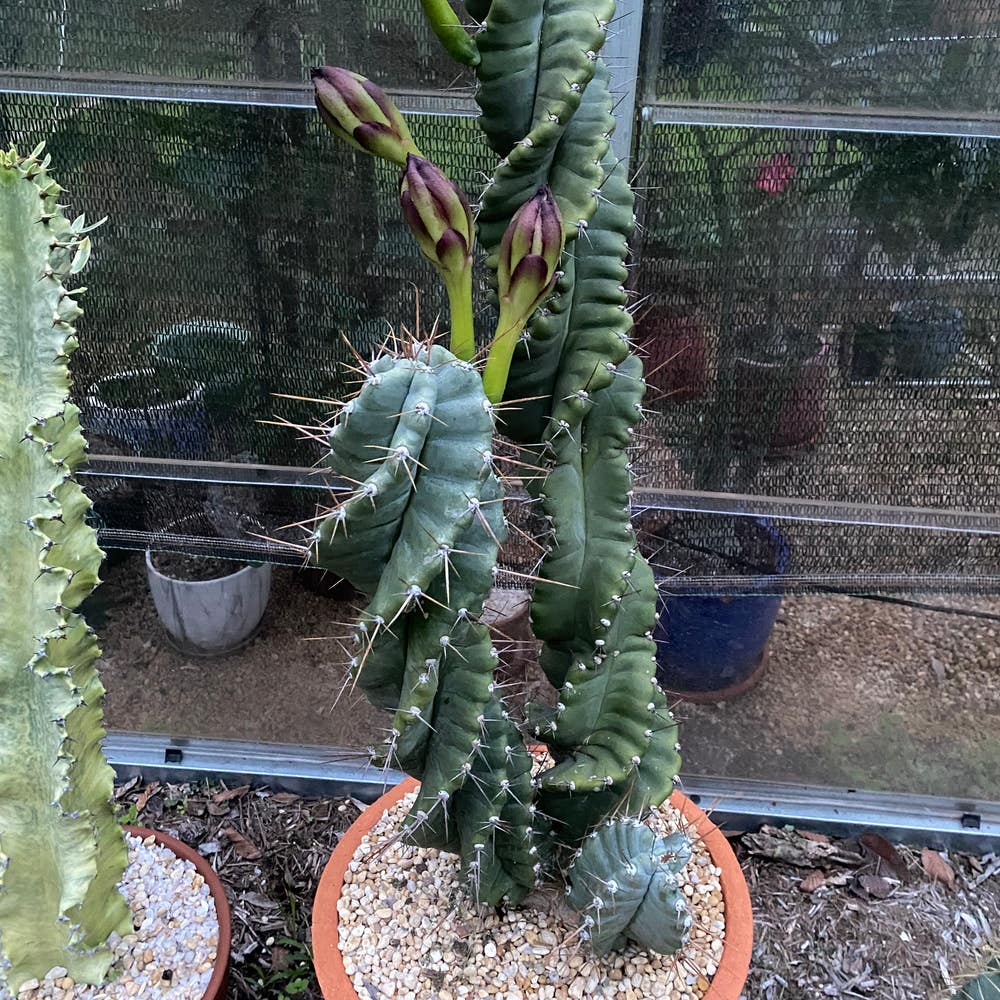
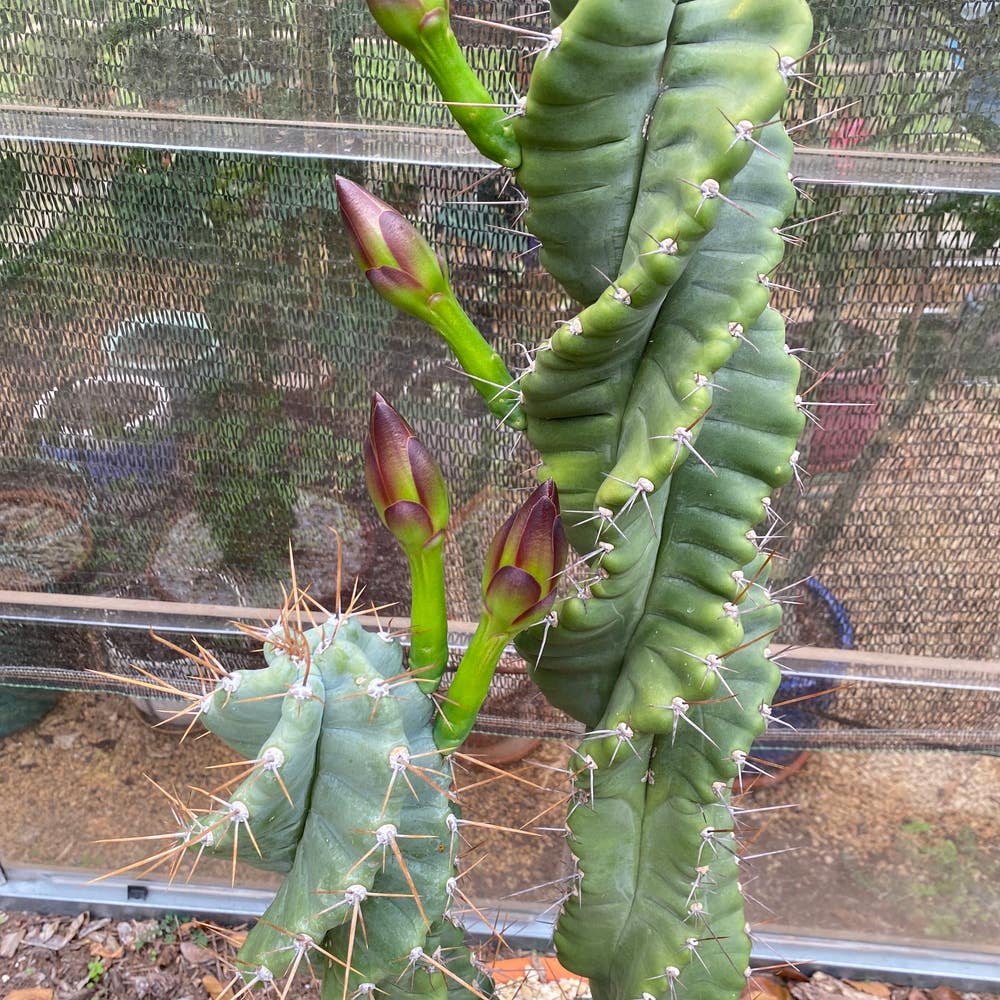
🌵 4 Secrets to Successfully Grow Spiral Cactus
Cereus forbesii 'Spiralis'
By the Greg Editorial Team
Sep 30, 2024•5 min read
This article was created with the help of AI so we can cover more plants for you. May contain errors. See one? Report it here.
- ☀️ Spiral cacti need 6-8 hours of full sun for optimal growth.
- 🌵 Well-draining soil is crucial; use cactus mix to prevent root rot.
- 💧 Water every 2-3 weeks; adjust for seasons to avoid overwatering.
Choosing a Location
🌞 Sunlight Requirements
For your spiral cactus to thrive, it needs full sun exposure for 6 to 8 hours daily. Insufficient light can lead to stunted growth and a weak structure, making it crucial to find the right spot.
🏡 Indoor vs. Outdoor Growing Conditions
When growing indoors, place your cactus near a south-facing window to maximize sunlight. For outdoor conditions, choose a garden spot that avoids shaded areas to ensure your cactus receives ample light.
🌡️ Ideal Temperature and Humidity Levels
Spiral cacti prefer a temperature range between 70°F to 100°F (21°C to 38°C). They thrive in low humidity levels, so steer clear of overly humid environments to keep them healthy and happy.
By carefully selecting the right location, you set the stage for your spiral cactus to flourish. Next, let’s dive into soil preparation, which is equally vital for its growth.
Soil Preparation
Best Soil Types 🌱
Choosing the right soil is crucial for your spiral cactus's health. A well-draining cactus mix or sandy loam is ideal, ensuring that excess water flows away quickly.
Maintaining the right pH is also important. Aim for a slightly acidic to neutral range, ideally between pH 6.0 and 7.0, to promote optimal growth.
Importance of Drainage 🚰
Good drainage is essential for preventing root rot and fungal diseases. Poor drainage can lead to serious issues, so it's vital to monitor your soil conditions.
You can identify good drainage by observing how quickly water absorbs and whether the surface dries out promptly. If water pools, it’s time to reassess your soil choice.
DIY Soil Mix Recipe 🍽️
Creating your own soil mix is simple and effective. Here’s a quick recipe to get you started:
Ingredients:
- 1 part potting soil
- 1 part coarse sand
- 1 part perlite or pumice
Mixing Instructions: Combine all ingredients thoroughly to achieve an even texture. This mix will provide the perfect environment for your cactus to thrive.
With the right soil preparation in place, your spiral cactus will be set for success. Next, let’s dive into the best planting techniques to ensure your cactus grows strong and healthy.
Planting Techniques
Step-by-Step Instructions 🌱
Planting your spiral cactus is straightforward. Start by preparing a planting hole that is twice the width of the root ball.
Next, position the cactus upright in the hole. This ensures it has a solid foundation to grow.
Backfill the hole with soil, gently packing it around the base. Finally, water lightly—just enough to settle the soil without drowning the plant.
Container vs. Ground Planting 🪴
Choosing between container and ground planting can impact your cactus's growth. Container planting offers mobility and lets you control soil conditions easily.
On the other hand, ground planting provides more space for long-term growth. Consider your environment and how you want to manage your cactus.
Spacing Requirements 📏
Spacing is crucial for healthy growth. Aim to plant your spiral cacti 3 to 5 feet apart to ensure optimal air circulation.
This spacing allows each cactus room to grow tall and wide without competing for resources. Proper spacing can prevent issues like overcrowding and promote a thriving garden.
With these planting techniques in mind, you're well on your way to nurturing a beautiful spiral cactus. Next, let’s explore how to effectively water and fertilize your new plant.
Watering and Fertilizing
Watering Schedule 🌊
To keep your spiral cactus thriving, water it every 2-3 weeks during the growing season. In winter, dial back the frequency to prevent overwatering.
Signs of Overwatering and Underwatering 🚨
Watch for yellowing or mushy stems, which signal overwatering and potential root rot. Conversely, if you notice wrinkled skin or stunted growth, your cactus may be thirsty.
Recommended Fertilizers and Feeding Schedule 🌱
Use a balanced cactus fertilizer with an NPK ratio of 10-10-10 for optimal growth. Feed your cactus monthly during the growing season, but skip fertilization in winter to let it rest.
By mastering the watering and fertilizing routine, you set the stage for a healthy, vibrant spiral cactus. Next, let’s explore essential ongoing care and maintenance practices to keep your plant flourishing year-round.
Ongoing Care and Maintenance
🌿 Pruning Techniques
Pruning your spiral cactus is essential for its health and appearance. Aim to prune in early spring, just before new growth begins, to encourage a vibrant shape.
Remove any dead or damaged sections to promote overall vitality. This not only enhances aesthetics but also prevents potential disease spread.
🌸 Seasonal Care Tips
Each season brings unique care requirements for your cactus.
- Spring: Fertilize and consider repotting if the plant has outgrown its container.
- Summer: Keep an eye out for pests and ensure your cactus receives adequate watering.
- Fall: Prepare your cactus for dormancy by gradually reducing watering.
- Winter: Protect your cactus from frost; minimal care is needed during this time.
🐞 Common Challenges and Solutions
Pests
Pests can be a nuisance, but identifying them early helps.
- Mealybugs: Look for cotton-like clusters on your cactus. Use neem oil for effective control.
- Spider mites: Symptoms include fine webbing and discoloration. Increasing humidity can help manage these pests.
🦠 Diseases
Preventing diseases is crucial for a healthy cactus.
- Root rot: This often stems from overwatering. Ensure proper watering techniques to avoid this issue.
- Fungal infections: Watch for signs like discoloration. Organic treatments can be effective in managing these infections.
🌪️ Environmental Stress
Your cactus can show signs of stress due to various factors.
- Signs of stress: Look for wilting, discoloration, or slow growth.
- Solutions: Adjust light exposure, improve soil drainage, and monitor your watering practices to help your cactus thrive.
By staying proactive with care and addressing challenges promptly, your spiral cactus can flourish beautifully. Next, let’s explore the watering and fertilizing needs to keep it healthy and vibrant.
⚠️ Safety First
This content is for general information and may contain errors, omissions, or outdated details. It is not medical, veterinary advice, or an endorsement of therapeutic claims.
Always consult a qualified healthcare professional before using any plant as food, medicine, or supplement.
Never eat any plant (or feed one to pets) without confirming its identity with at least two trusted sources.
If you suspect poisoning, call Poison Control (800) 222-1222, the Pet Poison Helpline (800) 213-6680, or your local emergency service immediately.
Spotted an error? Please report it here.
Unlock the secrets to a thriving spiral cactus 🌵 with Greg's tailored care reminders and expert tips that ensure your plant gets the perfect sunlight, soil, and watering it craves!