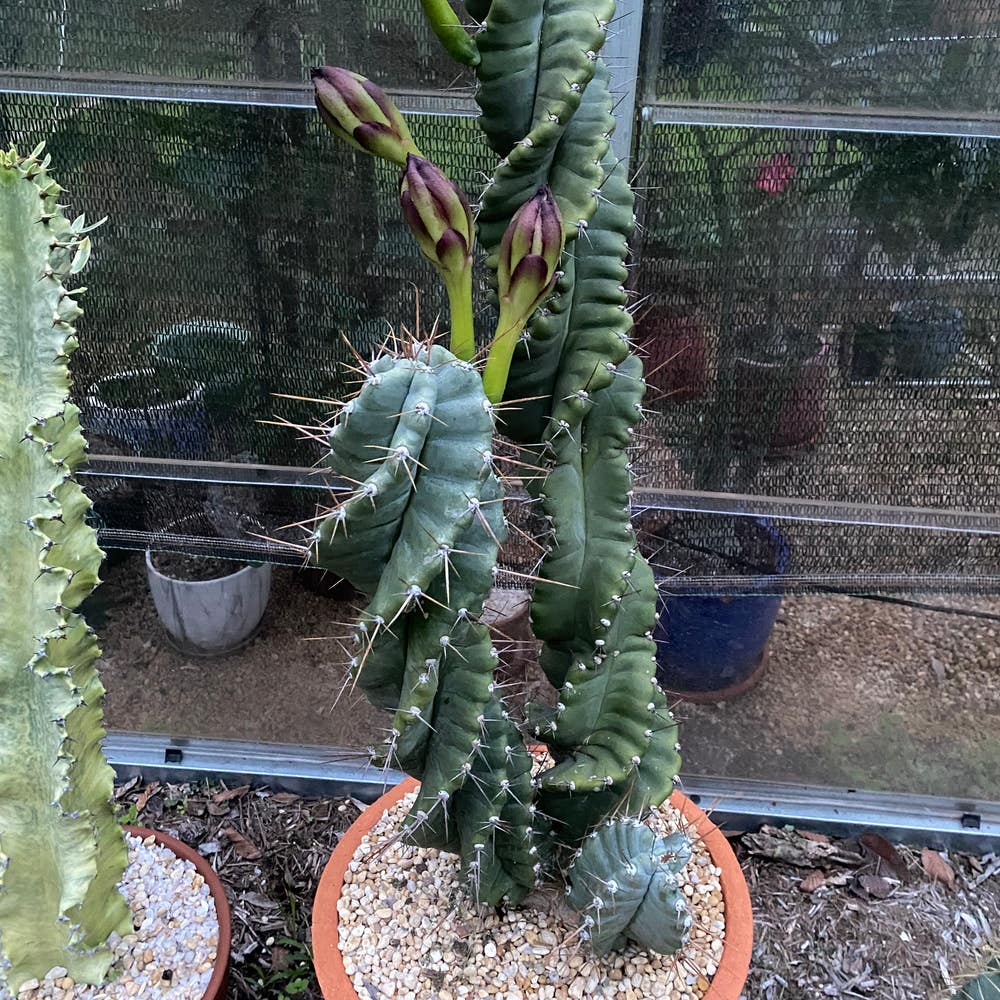
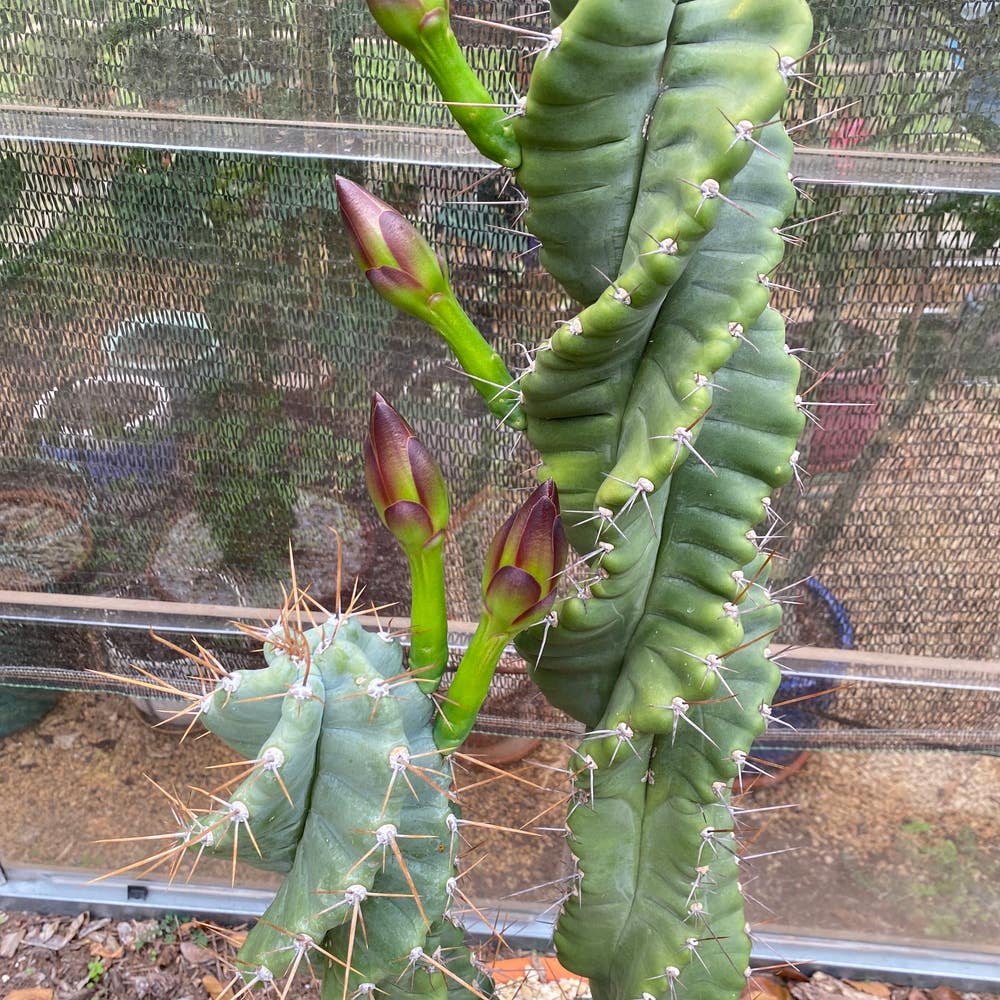
Why Are My Spiral Cactus Leaves Curling?
Cereus forbesii 'Spiralis'
By the Greg Editorial Team
Jun 18, 2024•5 min read
This article was created with the help of AI so we can cover more plants for you. May contain errors. See one? Report it here.
- Curling leaves signal distress; differentiate from natural growth.
- Sun, water, temperature issues can cause curling; adjust care accordingly.
- Pests and diseases lead to curling; treat with insecticides or fungicides.
Spotting the Signs of Trouble
🌵 Identifying Early Signs of Leaf Curling
Curling leaves in your Spiral Cactus aren't just a quirky twist; they're a distress signal. When the leaves start rolling inward, resembling tight scrolls, it's time to pay attention. This could be the cactus's way of saying, "Hey, I'm not okay!"
🌱 Natural vs. Stress-Induced Curling
It's crucial to distinguish between the plant's natural growth habits and signs of stress. A slight curl might be part of its charm, but pronounced curling or twisting is a red flag.
🚨 Beyond the Curl: Other Signs to Watch For
Discoloration, dryness, and brown tips are like a plant's cry for help. If your cactus's leaves are throwing more shade than a parasol, it's time for some TLC. Keep an eye out for pests too; they're like uninvited guests at a party on the underside of the leaves.
👀 Visual Symptoms of Leaf Curling
Beyond the obvious curl, watch for leaves that look more like crispy autumn foliage than vibrant greenery. Brittle leaves with brown edges are a botanical SOS, signaling it's time for intervention.
🌵 The Usual Suspects: Common Causes of Leaf Curling
Check if your cactus is suffocating. Good airflow is like a breath of fresh air, preventing fungal diseases and keeping your cactus happy. Don't cramp it in a corner; give it space to bask in the occasional breeze.

The Usual Suspects: Common Causes of Curling
🌞 Too Much Sun or Too Little Light
Bright but not baking—that's the mantra for your Spiral Cactus. If the leaves are curling and have brown patches, it's pleading for shade. Conversely, pale leaves stretching out signal a light deficiency. Adjust your plant's position to find that sweet spot of bright, indirect sunlight.
🚰 Water Woes: Overwatering and Underwatering
Soggy soil spells trouble. If your cactus's pot feels like a marshland, it's time to ease up on the watering can. On the flip side, soil dry as a bone means your cactus is thirsty. Strike a balance with a watering schedule that lets the top inch of soil dry out before the next watering.
🌡️ Temperature Tantrums
Your Spiral Cactus dislikes temperature swings as much as a cat hates a cold bath. Leaf curling can be a sign of temperature stress. Keep your cactus away from drafts and radiators to maintain a consistent temperature, ensuring it remains as unflappable as a seasoned poker player.

Battling Unseen Enemies: Pests and Diseases
🐛 Pests That Prey on Your Spiral Cactus
Pests can be stealthy assailants of your Spiral Cactus, often causing leaves to curl as they feed. Mealybugs and spider mites are the usual suspects, with mealybugs throwing a white, cottony shindig at your plant's expense. Spider mites, on the other hand, are more like invisible vampires, sucking the life out of your cactus leaves.
To combat these pests, start with a cotton bud dipped in rubbing alcohol to remove any visible bugs. Follow up with a systematic insecticide spray or a concoction of neem oil and horticultural soap. It's like arming your cactus with a personal shield against these critters.
🍄 Fungal Foes and How to Fight Them
Fungal diseases are the silent but deadly enemies of your Spiral Cactus. Black spots or powdery mildew are the calling cards of these uninvited guests. If you spot these, it's time for some plant surgery. Remove the infected parts with sterilized shears and treat with a fungicide, strictly adhering to label instructions.
Preventative measures are your best defense. Ensure good airflow and avoid overwatering to keep your cactus from becoming a fungal playground. Remember, prevention is like the secret service for your plant—always on guard, always ready.

Curl Prevention: Best Practices for Spiral Cactus Care
🌵 Tailoring Your Care Routine
Consistency is your Spiral Cactus's best friend. Establish a routine that includes regular watering, balanced light exposure, and stable environmental conditions.
🕵️ Regular Checks and Early Interventions
Be the plant equivalent of a helicopter parent. Watch for early signs of distress—discoloration, weird patterns, or curling. Catching these early is like catching a typo in a tweet before it goes viral—saves a lot of trouble.
💧 Watering Wisdom
Your watering routine should be predictable. Check the top inch of soil; if it's dry, water your cactus. If it's damp, wait. Use a watering can with a long spout to avoid getting the leaves wet, which can lead to fungal issues.
🌞 Light and Temperature
Ensure your Spiral Cactus gets the right amount of light—too much sun can cause sunburn, while too little can weaken the plant. Keep the temperature stable; avoid placing your cactus near drafty windows or heat sources.
🐜 Pests and Diseases: The Proactive Approach
Regular inspections for pests are non-negotiable. If you spot an aphid or any other critter, use insecticidal soap or neem oil to show them the exit.
✂️ Pruning and Maintenance
Don't be afraid to prune. Remove any damaged or curled leaves to encourage new growth. Regular pruning keeps your cactus healthy and maintains its shape. Remember, less is more—don't go overboard.
By following these tips, you'll keep your Spiral Cactus healthy, and leaf curl will be a thing of the past.
⚠️ Safety First
This content is for general information and may contain errors, omissions, or outdated details. It is not medical, veterinary advice, or an endorsement of therapeutic claims.
Always consult a qualified healthcare professional before using any plant as food, medicine, or supplement.
Never eat any plant (or feed one to pets) without confirming its identity with at least two trusted sources.
If you suspect poisoning, call Poison Control (800) 222-1222, the Pet Poison Helpline (800) 213-6680, or your local emergency service immediately.
Spotted an error? Please report it here.
Nurture your Spiral Cactus back to perfect health and prevent leaf curling 🌀 with Greg's personalized care reminders and expert community advice.