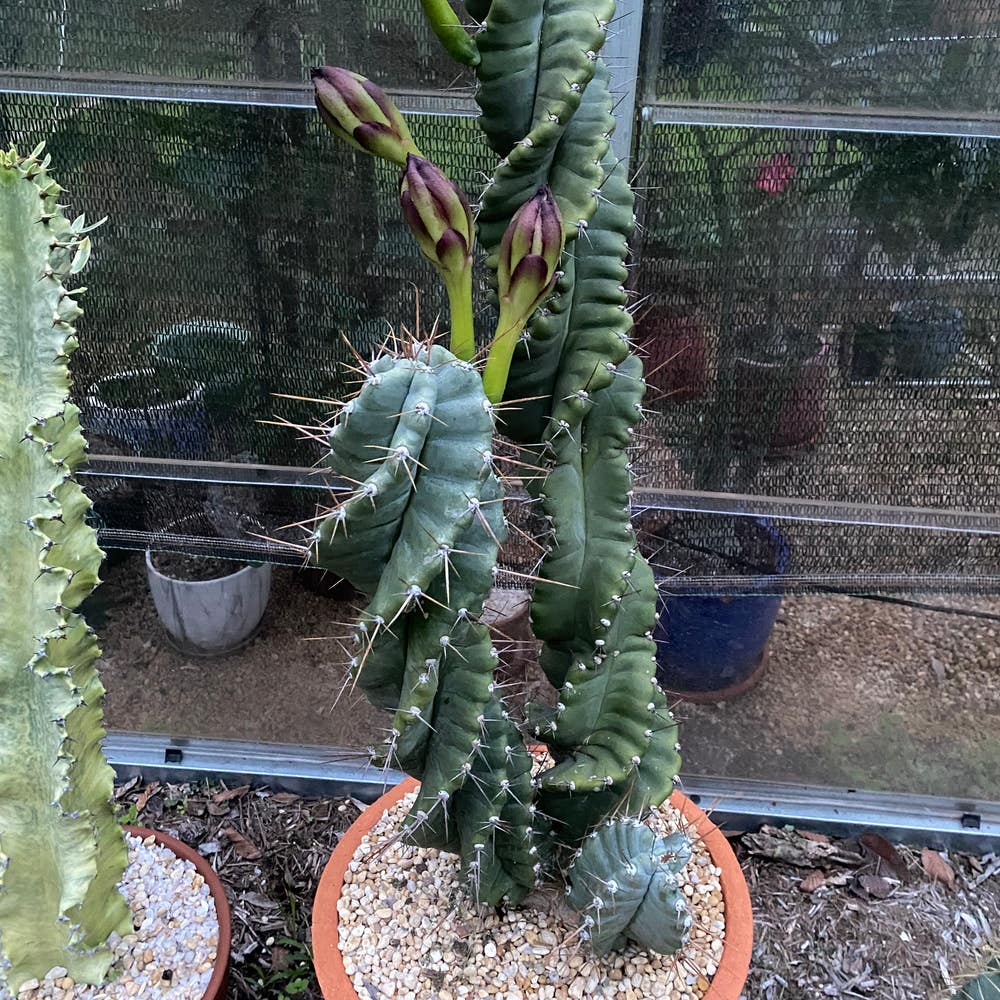
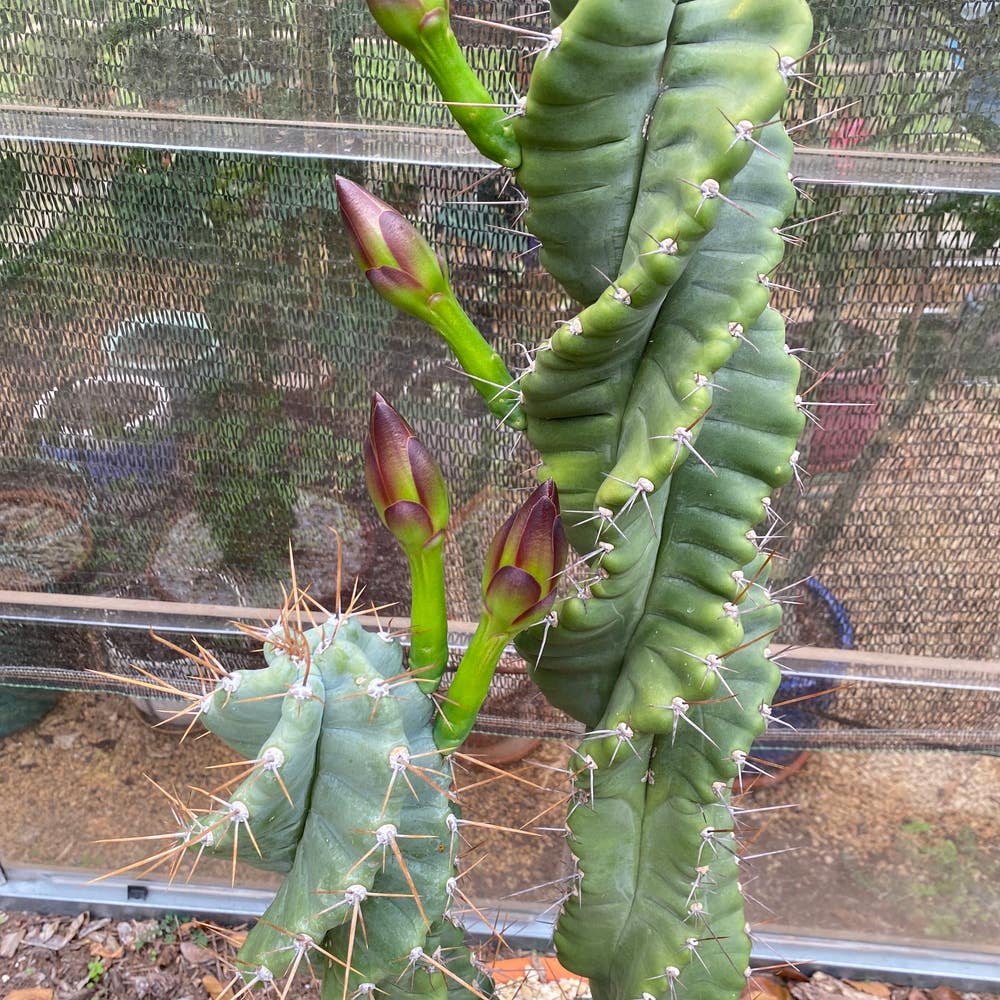
Spiral Cactus Root Rot Solutions
Cereus forbesii 'Spiralis'
By the Greg Editorial Team
Jun 18, 2024•4 min read
This article was created with the help of AI so we can cover more plants for you. May contain errors. See one? Report it here.
- Yellow leaves and mushy stems signal root rot in Spiral Cactus.
- Immediate action: Remove rotten roots, use fungicides or cinnamon.
- Prevent future rot with well-draining soil, proper watering, and ventilation.
Spotting the Red Flags: Diagnosing Root Rot in Spiral Cactus
🚨 Visual Symptoms to Watch For
- Yellowing leaves and wilting: A Spiral Cactus in distress might start looking like it's given up on life.
- Soft, mushy stems: A healthy cactus feels firm, not like a squishy stress ball.
🕵️♂️ Root Inspection: What Healthy vs. Rotten Roots Look Like
- Safely unearth your cactus to play plant detective and scrutinize the roots.
- Rotten roots reek and look like they've been through a horror movie transformation—dark, slimy, and just plain wrong.

Emergency Response: Saving Your Spiral Cactus from Root Rot
🚨 Immediate Actions to Take
When your spiral cactus falls victim to root rot, time is of the essence. First, isolate the plant to prevent the spread of infection. Carefully remove it from its pot, shaking off excess soil to reveal the roots. Healthy roots look firm and white, while rotten ones are typically soft, brown, and emit a foul odor. With sterilized scissors or pruning shears, snip away the compromised roots. It's a cactus haircut, but for survival. Next, clean the remaining roots with a solution of water and anti-bacterial soap, using a new q-tip for each stroke to avoid cross-contamination.
🛠 Choosing the Right Treatment
Fungicides are a go-to for many plant ailments, but with spiral cacti, they're not always the silver bullet. If you opt for a chemical fungicide, select one that's safe for cacti. However, natural remedies like cinnamon can be surprisingly effective due to their anti-fungal properties. Sprinkle it on the new soil to create a less inviting environment for root rot.
For a more hands-off approach, let the cactus's natural defenses kick in. After trimming, leave the plant in a dry, shaded area to allow the cuts to callous. This is like giving your cactus a chance to build a scab over a wound. Once calloused, replant in a fresh, well-draining cactus mix—think of it as a new bed after a rough night.
Remember, the goal is to create conditions that make your cactus say, "Root rot? Not in my house!"

Repotting and Recovery: Giving Your Cactus a Second Chance
🌵 Selecting the Right Pot and Soil
Well-draining soil is non-negotiable for Spiral Cactus. Mixes with perlite, coarse sand, or a commercial cactus blend are your best bets. As for pots, think "breathable." Terracotta or unglazed ceramics with drainage holes are the gold standard.
Aftercare: Monitoring and Adjusting Care Post-Treatment
After repotting, play the waiting game. Hold off on watering for a week to let the roots heal. Place your cactus in a spot with bright, indirect sunlight and keep an eye out for new growth—it's the cactus's way of giving you a thumbs up. Resume your normal care routine when you're sure the plant has settled in its new home.

Fortifying Defenses: Preventing Future Root Rot in Spiral Cactus
💧 Watering Wisdom: Balancing Moisture and Drought
To keep your Spiral Cactus thriving, tailor your watering schedule to its desert heritage. Overwatering is the fast track to root rot, so let the soil dry out completely between waterings. Think of your cactus as a camel, storing water for the long haul. Use a moisture meter or the trusty finger test—dry an inch down means it's time to water. When the temperature drops, so should your watering frequency.
🚱 Tips for avoiding overwatering without under-watering
- Check the soil before watering; if it clings to your finger, wait.
- Empty the saucer under the pot to avoid soggy feet.
- Adjust watering with the seasons—less in cool months, a bit more in the heat.
🌬️ Environmental Strategies
Proper ventilation is crucial for preventing moisture buildup. Position your Spiral Cactus where air can move freely, steering clear of stagnant, humid corners. Sunlight and temperature play defense against fungal foes; bright, indirect light is your cactus's best friend. Keep the environment as airy as a desert breeze to ward off unwanted moisture.
🌞 The role of sunlight and temperature in preventing fungal growth
- Bright, indirect sunlight keeps the cactus happy and dry.
- Maintain a consistent temperature that mimics the cactus's natural habitat.
- Monitor humidity levels—high humidity invites fungal gatecrashers.
⚠️ Safety First
This content is for general information and may contain errors, omissions, or outdated details. It is not medical, veterinary advice, or an endorsement of therapeutic claims.
Always consult a qualified healthcare professional before using any plant as food, medicine, or supplement.
Never eat any plant (or feed one to pets) without confirming its identity with at least two trusted sources.
If you suspect poisoning, call Poison Control (800) 222-1222, the Pet Poison Helpline (800) 213-6680, or your local emergency service immediately.
Spotted an error? Please report it here.
Nurture your Spiral Cactus back to health with Greg's custom care reminders 🌵, tailored to prevent root rot by optimizing your plant's environment and watering routine.