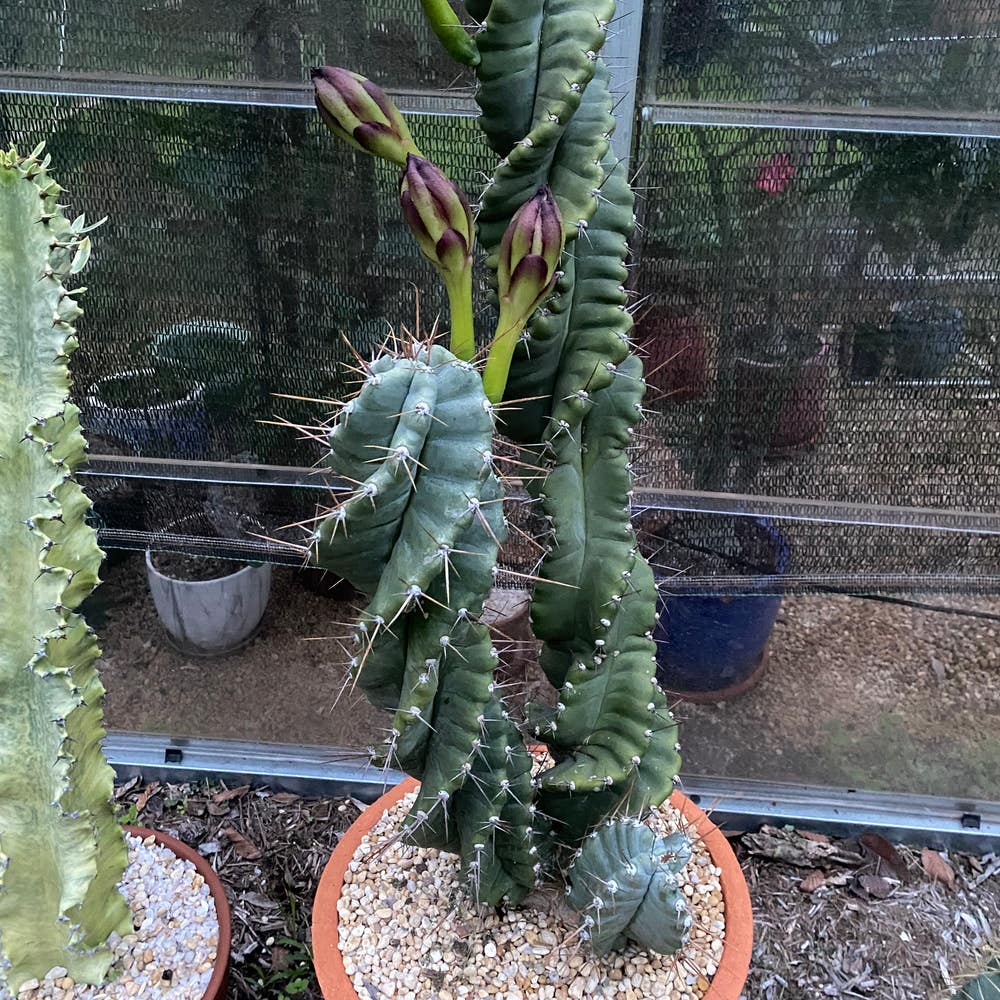
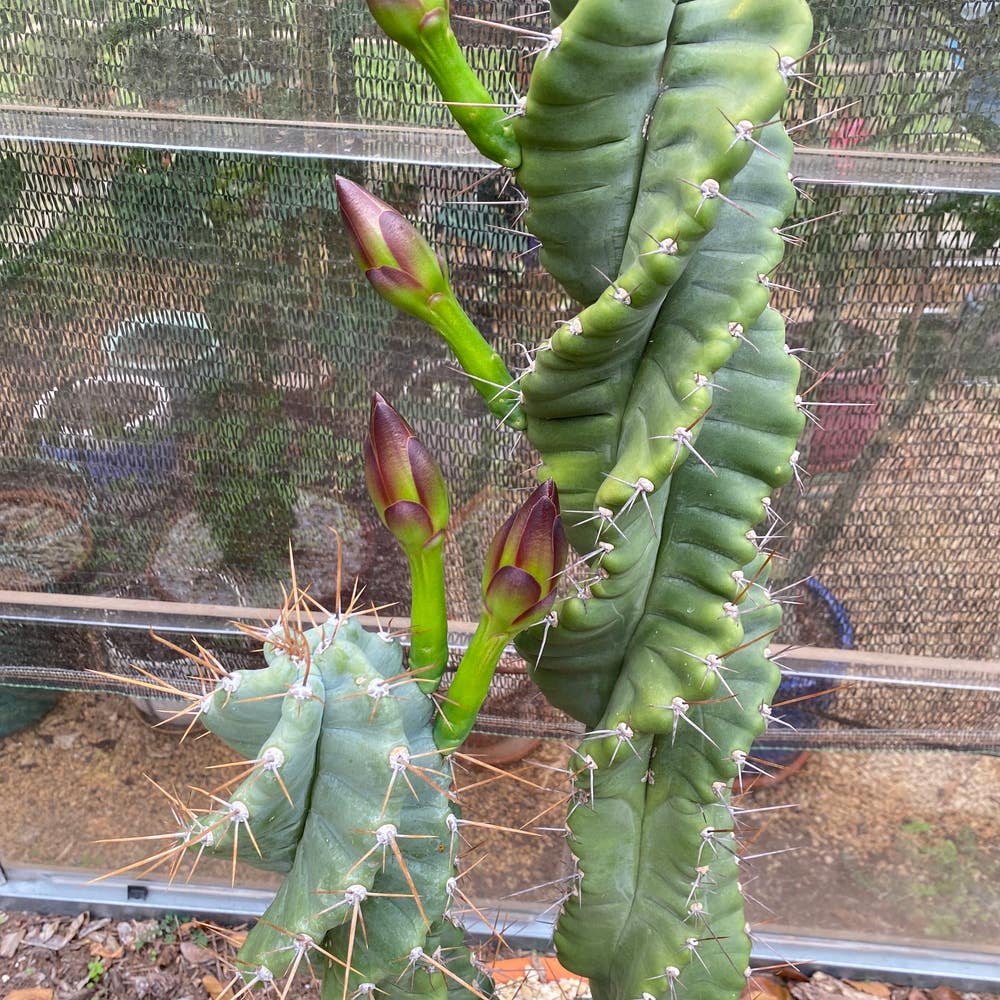
🍂 Why Is My Spiral Cactus Dropping Leaves?
Cereus forbesii 'Spiralis'
By the Greg Editorial Team
Jun 18, 2024•4 min read
This article was created with the help of AI so we can cover more plants for you. May contain errors. See one? Report it here.
- Leaf drop signals distress; don't ignore discoloration or texture changes.
- 🌵 Overwatering and underwatering both lead to leaf loss.
- Balance sunlight and temperature for a happy Spiral Cactus.
Spotting the Signs: When Your Spiral Cactus Is Unhappy
🌵 Visual cues: What does leaf drop look like in Spiral Cactus?
Leaf drop in Spiral Cactus is like a silent scream for attention. You'll notice leaves that once spiraled beautifully are now falling off with a dramatic flair. It's not just a few leaves here and there; it's a noticeable thinning of what was once a lush, green spiral.
🚩 Beyond the leaves: Other symptoms to watch for.
But wait, there's more. If your cactus could talk, it would tell you that leaf drop is just the tip of the iceberg. Discoloration or leaves that have traded their plumpness for a crispy texture are red flags. Also, keep an eye out for any structural changes—a cactus standing at a slant isn't trying to be avant-garde; it's likely in trouble. And let's not forget the roots—if they feel like a soggy sponge, you've got a case of overwatering on your hands.

Pinpointing the Problem: Common Culprits Behind Leaf Drop
💧 Overwatering Woes
Yellowing and mushy leaves are the hallmarks of an overwatered Spiral Cactus. When the soil feels more like a swamp than a desert, you've gone overboard with the watering can. Overwatering leads to root rot, where roots suffocate and decay, causing your cactus to shed leaves in distress.
🏜️ Underwatering and Plant Stress
An underwatered Spiral Cactus will have wilted, dry leaves, crying out for hydration. The drought effect is real; when the soil is bone-dry, leaves drop as the plant tries to conserve its remaining moisture. Parched roots can't support healthy foliage, leading to a leafy downfall.
🌡️ Temperature Tantrums
If your cactus is dropping leaves faster than a tree in autumn, it might be suffering from temperature stress. Leaves may wilt or drop when exposed to extreme heat or cold. Keep your Spiral Cactus away from drafts and radiators to prevent these temperature-induced tantrums.
🌞 Sunlight Struggles
Light-related leaf loss looks like sunburned or faded leaves. Your Spiral Cactus needs a sweet spot of sunlight—not too much, not too little. Aim for bright, indirect light to keep it basking without the burn. Too much direct sun can scorch leaves, while too little leaves them reaching—and dropping.

Turning Over a New Leaf: Solutions and Prevention
💧 Watering Wisdom
Consistency is your cactus's best friend when it comes to watering. Let the soil dry out completely before giving it another drink. Use a moisture meter for precision, or stick your finger an inch into the soil—if it's dry, it's time to water. Remember, overwatering is the fast track to root rot, while underwatering turns your cactus into a shriveled mess.
🌡️ Creating a Cozy Climate
Your Spiral Cactus prefers a steady, warm environment. Temperature swings are a no-no. Keep it away from drafts and sources of sudden temperature changes like heaters or air conditioners. Aim for a temperature range that mimics its natural desert habitat—usually between 70-100°F (21-38°C) during the day and slightly cooler at night.
🌞 Let There Be (The Right Amount of) Light
Spiral Cacti love sunlight but not too much. Position it in a spot with bright, indirect light. Too much direct sun can cause sunburn, while too little can lead to etiolation (stretching out for more light). If you notice pale spots, it's time to move your cactus to a shadier location.
🌱 The Perfect Potting Mix
Choose a potting mix specifically designed for cacti, which ensures proper drainage and prevents waterlogging. Repot your Spiral Cactus every other year or when it outgrows its current home. Select a pot that's slightly larger than the current one and has drainage holes. After repotting, resist the urge to water immediately—give it a few weeks to settle in.

⚠️ Safety First
This content is for general information and may contain errors, omissions, or outdated details. It is not medical, veterinary advice, or an endorsement of therapeutic claims.
Always consult a qualified healthcare professional before using any plant as food, medicine, or supplement.
Never eat any plant (or feed one to pets) without confirming its identity with at least two trusted sources.
If you suspect poisoning, call Poison Control (800) 222-1222, the Pet Poison Helpline (800) 213-6680, or your local emergency service immediately.
Spotted an error? Please report it here.
Prevent leaf drop and keep your Spiral Cactus happy and healthy 🌵 with Greg's custom watering schedules and environment tracking tailored to your plant's needs.