🌵 Spiral Cactus Is a Perennial
Cereus forbesii 'Spiralis'
By the Greg Editorial Team
Sep 30, 2024•6 min read
This article was created with the help of AI so we can cover more plants for you. May contain errors. See one? Report it here.
- 🌵 Spiral cacti thrive for over a decade, showcasing their impressive perennial lifecycle.
- ☀️💧 Unique growth patterns enhance sunlight absorption and water retention for survival.
- 🌼 Seasonal care adjustments are crucial for optimal growth and blooming cycles.
Lifecycle and Growth Patterns
🌱 Multi-Year Lifecycle
The spiral cactus is a remarkable perennial that can thrive for several years, often exceeding a decade. Its lifecycle consists of distinct stages, starting with the initial establishment phase, where the root system develops and anchors the plant.
As it matures, the cactus enters a growth phase characterized by its iconic spiral shape. This unique formation not only adds aesthetic appeal but also plays a crucial role in its survival.
🔄 Growth Patterns and Regrowth Capabilities
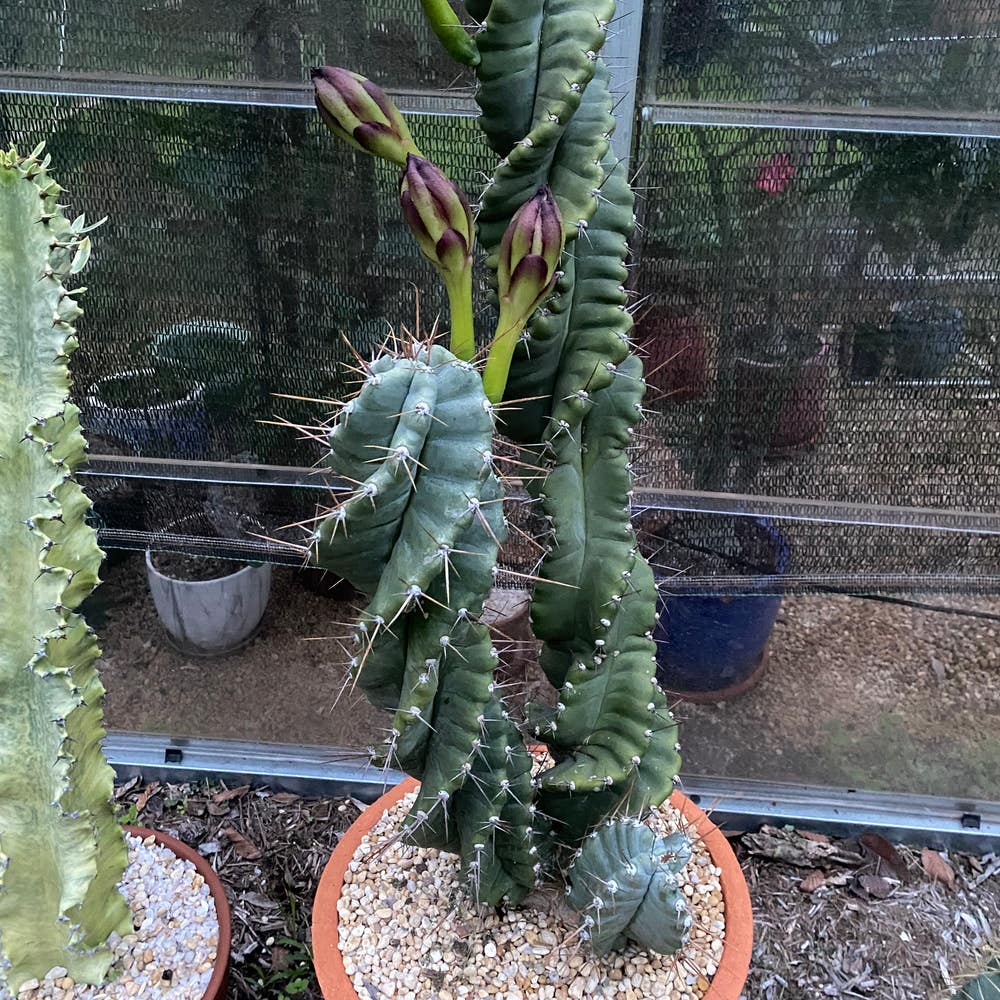
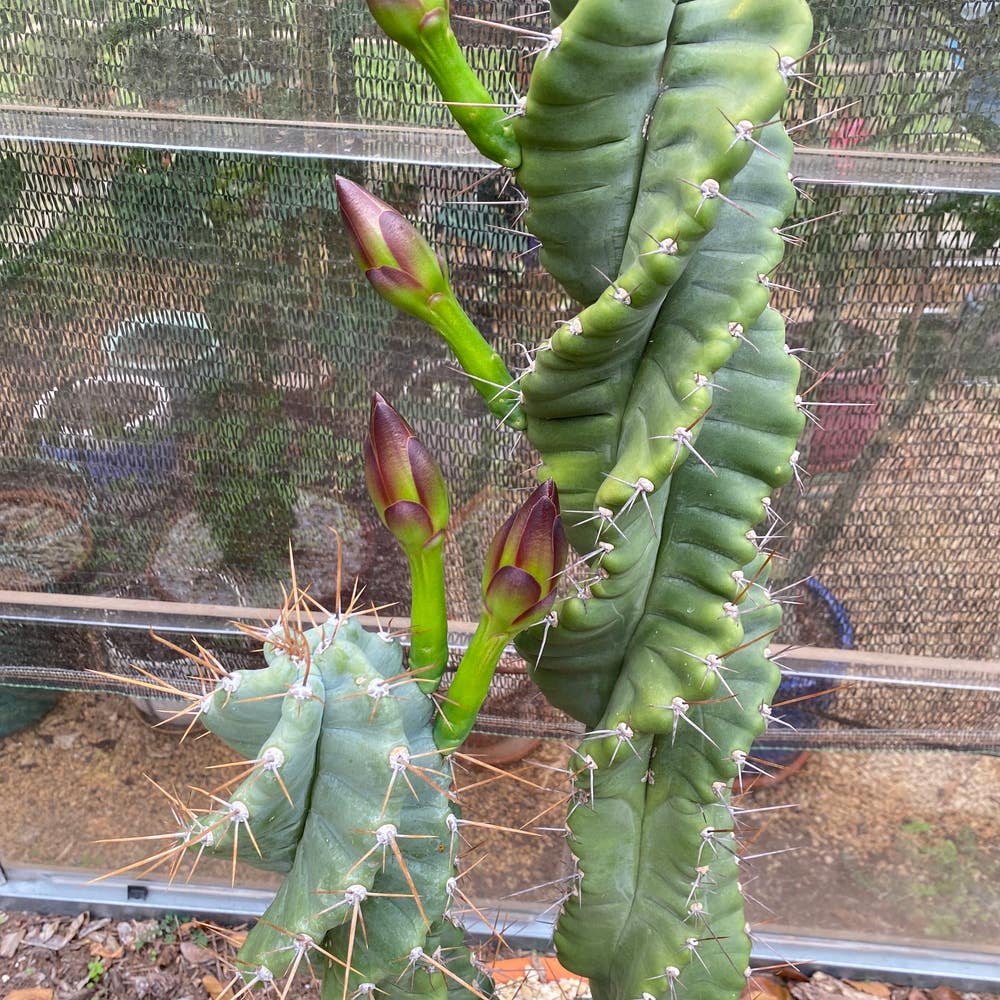
One of the standout features of the spiral cactus is its unique spiral growth pattern. This design enhances sunlight absorption and improves water retention, making it well-suited for its native environments.
Moreover, the cactus has an impressive ability to regenerate from its root system each year. This ensures continuity and resilience, allowing it to thrive even in challenging conditions.
With its fascinating lifecycle and growth patterns, the spiral cactus exemplifies the beauty and adaptability of perennial plants. As we explore its impact on gardening, we’ll uncover how these traits benefit both the plant and the gardener.
Impact of Perennial Nature
Effects on Growth and Flowering 🌸
The spiral cactus exhibits fascinating flowering patterns that are closely tied to its perennial nature. Seasonal blooming cycles are influenced by dormancy and environmental conditions, allowing these plants to thrive in various climates.
Understanding how these cycles work can help gardeners anticipate when to expect blooms. This knowledge enhances the overall gardening experience and ensures that the cactus receives the care it needs during critical growth periods.
Overall Lifespan and Longevity Factors ⏳
Several factors significantly influence the longevity of spiral cacti. Soil quality, water availability, and light exposure are crucial elements that can either extend or shorten their lifespan.
Typically, spiral cacti can live for several years, often exceeding a decade under optimal conditions. By providing the right environment, gardeners can help these resilient plants flourish for years to come.
In summary, the perennial nature of spiral cacti not only affects their growth and flowering but also plays a vital role in their overall lifespan. Understanding these dynamics sets the stage for successful cultivation and care.
Next, we will explore the dormancy and seasonal changes that further impact the growth of spiral cacti.
Dormancy and Seasonal Changes
Description of Dormancy Periods 🌙
Dormancy is a natural phase for the spiral cactus, typically occurring during the colder months. During this time, the plant experiences reduced metabolic activity and nutrient uptake, allowing it to conserve energy.
Seasonal Changes 🌼
As seasons shift, the spiral cactus adapts its water needs and light requirements. These changes significantly influence blooming cycles, with dormancy often leading to a burst of flowers when conditions improve.
Adaptations to Seasonal Changes 🌱
The spiral cactus is remarkably resilient, adjusting its care routine based on seasonal demands. For instance, during dormancy, it requires less water, while in the growing season, it thrives with increased sunlight and hydration.
Effects on Flowering and Growth 🌸
Dormancy and seasonal shifts play a crucial role in the plant's overall health and flowering patterns. Understanding these cycles helps gardeners anticipate blooming times and optimize care for vibrant growth.
This knowledge about dormancy and seasonal changes sets the stage for exploring the advantages of perennial plants in garden planning.
Advantages for Gardeners
Benefits of Reduced Replanting 🌱
Maintaining a spiral cactus is a long-term investment. Unlike annuals, these perennials save you money over time, as they don’t need to be replaced each season.
Established plants also bring stability to your garden design. Their resilience contributes to a more balanced ecosystem, making your garden thrive year after year.
Importance of Established Root Systems 🌳
Deep root systems are a game-changer for resilience against environmental stress. They help the cactus withstand drought and adverse weather conditions, ensuring your garden remains vibrant.
Moreover, these roots enhance nutrient uptake efficiency. With a well-developed root network, spiral cacti can access essential nutrients from the soil more effectively, promoting healthier growth.
As you consider the advantages of spiral cacti, think about how their perennial nature can transform your gardening experience. Next, we’ll explore how these plants adapt across different climate zones.
Variations Across Climate Zones
🌍 Differences in Behavior in Various Climates
The Spiral Cactus showcases remarkable adaptability across different climate zones. In arid regions, it thrives with minimal water, developing a robust root system to tap into scarce moisture.
In contrast, temperate climates allow for more vigorous growth. Here, the cactus may experience longer growing seasons, leading to a more pronounced spiral shape and increased flowering.
⏳ Factors Influencing Longevity
Environmental factors play a crucial role in the longevity of Spiral Cactus. Soil type significantly impacts its health; well-draining sandy soils are ideal, while heavy clay can hinder growth.
Temperature and humidity levels also affect its lifespan. Consistent warmth and moderate humidity can enhance vitality, while extreme fluctuations may stress the plant.
Care practices are equally important. Regular monitoring of soil moisture and nutrient levels can either promote longevity or lead to premature decline.
By understanding these variations, gardeners can better cater to the needs of their Spiral Cactus, ensuring it flourishes for years to come.
This knowledge sets the stage for effective garden planning, maximizing the benefits of this resilient perennial.
Maximizing Benefits in Garden Planning
🌱 Tips for Utilizing Perennial Nature
When planning your garden, consider the strategic placement of your spiral cactus. Position it where it can soak up ample sunlight, as this will enhance its growth and flowering potential.
Spacing is also crucial. Ensure that your cactus has enough room to thrive without competing for resources, and think about companion planting to create a harmonious ecosystem.
🌦️ Seasonal Care Adjustments
Tailoring your care routines to align with the cactus's dormancy and growth cycles can make a significant difference. During its active growth phase, increase watering and nutrient supply, but scale back during dormancy to prevent overwatering.
Keep an eye on seasonal changes. Adjusting light exposure and water needs throughout the year will help your cactus flourish.
🌍 Long-Term Cultivation Strategies
Planning for longevity starts with soil health. Regularly check soil quality and amend it as needed to provide the best environment for your cactus.
Monitoring is key. Keep an eye on your plant's health and growth patterns to catch any issues early, ensuring a vibrant and long-lasting cactus.
🌼 Encouraging Healthy Growth
To promote flowering and overall vigor, consider using organic fertilizers. These can provide essential nutrients without the risk of chemical buildup.
Regular pruning can also help. Removing dead or damaged parts encourages new growth and keeps your cactus looking its best.
By implementing these strategies, you can maximize the benefits of your spiral cactus and enjoy its beauty for years to come. Next, let’s explore the variations in behavior across different climate zones.
⚠️ Safety First
This content is for general information and may contain errors, omissions, or outdated details. It is not medical, veterinary advice, or an endorsement of therapeutic claims.
Always consult a qualified healthcare professional before using any plant as food, medicine, or supplement.
Never eat any plant (or feed one to pets) without confirming its identity with at least two trusted sources.
If you suspect poisoning, call Poison Control (800) 222-1222, the Pet Poison Helpline (800) 213-6680, or your local emergency service immediately.
Spotted an error? Please report it here.
Cultivate your spiral cactus into a thriving masterpiece 🌵 with Greg's personalized care tips and watering reminders that ensure it flourishes for years to come!