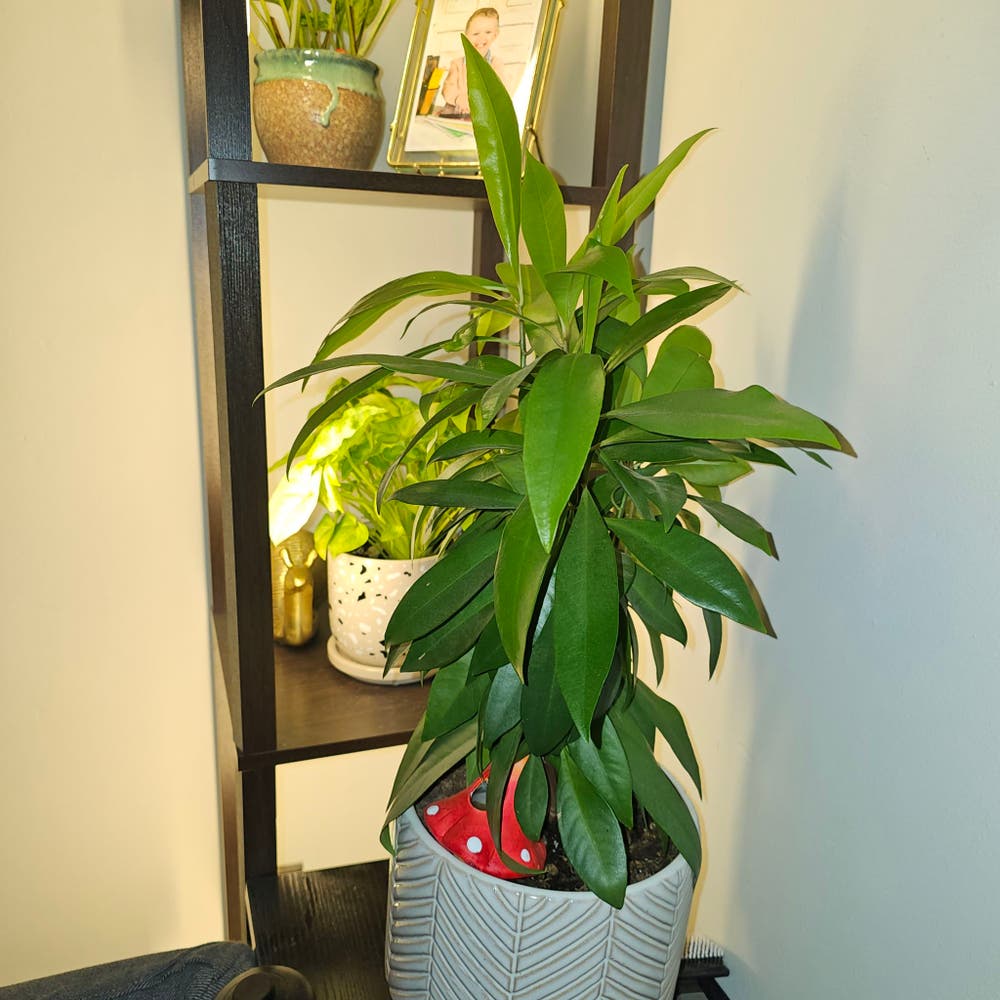
3 Winter Care Mistakes to Avoid with Tachibana ❄️
Ardisia tachibana
By the Greg Editorial Team
Nov 26, 2024•6 min read
This article was created with the help of AI so we can cover more plants for you. May contain errors. See one? Report it here.
Shield your Tachibana from frost and thrive this winter with these essential care tips! 🌱❄️
- ❄️ Protect Tachibana from frost using cloths or blankets for better survival.
- 🌱 Mulch around roots to insulate and retain warmth during winter months.
- 🌞 Move potted Tachibana indoors during frost events for optimal health.
Importance of Frost Protection
🌨️ Methods for Protecting from Frost
Frost can be a real threat to your Tachibana plants, but there are effective ways to shield them from the cold. One simple method is covering your plants with frost cloths or blankets, which act as a protective barrier against freezing temperatures.
Another effective strategy is mulching. By applying a thick layer of mulch around the base of your plants, you can insulate the roots and help retain warmth. Additionally, consider the location of your potted Tachibana; moving them indoors or to a sheltered area during frost events can make a significant difference in their survival.
❄️ Signs of Frost Damage
Recognizing the signs of frost damage early can save your plants from further harm. Look for leaf symptoms such as browning, wilting, or curling, which indicate that your Tachibana is struggling with the cold.
Fruit damage is another critical sign to watch for. If you notice softening or discoloration of the fruit, it may be time to assess the extent of the damage. Understanding the recovery potential of your plants will help you determine the best strategies for nursing them back to health.
With these protective measures and signs in mind, you can better care for your Tachibana during the winter months. Preparing for the cold is essential, but knowing how to respond to frost damage is equally important.
Adjusting Watering Schedules During Winter
❄️ Winter Watering Schedule
During winter, it's crucial to adjust your watering schedule for Tachibana. Reduce watering frequency to every 2-3 weeks, depending on how moist the soil feels.
Well-drained soil is essential. It prevents root rot by allowing excess water to escape, keeping your plants healthy and thriving.
🌱 Indicators for Watering
To determine when to water, check the soil moisture. You can use a moisture meter or simply stick your finger into the soil to feel for dryness.
Watch for signs of underwatering, such as leaf drop, yellowing, or wilting. These indicators signal that your Tachibana needs a drink to stay vibrant and healthy.
By keeping a close eye on your watering practices, you can help your Tachibana flourish even in the colder months. Transitioning to spring care will be much smoother when your plants are well-hydrated and ready to grow.
Fertilizing in Winter Months
Fertilizing Schedule and Techniques 🌱
Winter may seem like a quiet time for your Tachibana, but it’s crucial to keep up with fertilization. Aim to fertilize once in late winter, just before the spring growth spurt begins.
When choosing a fertilizer, opt for a balanced, slow-release formula specifically designed for citrus plants. This ensures your Tachibana gets the nutrients it needs without overwhelming it during its dormant phase.
Importance of Nutrient Management 🥦
Proper nutrient management is essential to prevent deficiencies that can hinder growth come spring. By ensuring your plant receives adequate nutrients, you set the stage for a vibrant and healthy growing season.
As winter progresses, remember that your Tachibana's nutrient needs decrease. Adjust your fertilizer application accordingly, recognizing that less is more during this dormancy period.
With these practices in place, your Tachibana will be well-prepared to thrive as the warmer months approach. Next, let's explore how to care for your plant indoors during the cold months.
Indoor Care During Cold Months
Best Practices for Indoor Care 🌱
Caring for your Tachibana indoors during the cold months is crucial for its health. Start by placing your plant near a south-facing window to ensure it receives optimal sunlight.
Maintaining the right temperature is also essential. Aim for indoor temperatures between 60°F to 70°F (15°C to 21°C) to keep your plant thriving.
Humidity Considerations 💧
Humidity plays a significant role in the well-being of your indoor Tachibana. To increase humidity, consider using a humidifier or placing pebble trays filled with water beneath the plant.
Regularly monitor for pests, as indoor environments can attract common nuisances like spider mites. Keeping a close eye on your plant will help you catch any issues early, ensuring it remains healthy throughout the winter.
By following these indoor care practices, you can help your Tachibana flourish even in the coldest months. As you prepare for the transition into spring, remember that the right care now sets the stage for vibrant growth later.
Recovery from Winter Damage
Steps to Take if Damage Occurs 🌱
If your Tachibana has suffered from winter damage, the first step is to assess the extent of the damage. Check the leaves, branches, and roots for any signs of distress.
Next, prune any damaged areas. Removing dead or severely damaged branches encourages new growth and helps the plant focus its energy on recovery.
Finally, adjust your care routine. Increase watering and provide nutrients to support recovery, ensuring your plant has the resources it needs to bounce back.
Signs of Recovery 🌿
As your Tachibana begins to recover, look for signs of new growth. The appearance of fresh leaves and blossoms indicates that your plant is on the mend.
Additionally, monitor for improved vigor. Increased leaf color and overall health are positive indicators that your Tachibana is regaining its strength and vitality.
With the right care, your plant can thrive again, ready for the warmer months ahead. Transitioning to spring care will be the next exciting step in nurturing your Tachibana.
Spring Preparation
Preparing for Spring Growth 🌱
As winter fades, it's time to transition your Tachibana care. Gradually increase watering and fertilization to match the rising temperatures, ensuring your plant gets the nutrients it needs to thrive.
Lightly prune your Tachibana to encourage bushier growth and remove any dead wood. This simple step can significantly enhance the plant's overall health and appearance.
Monitoring Growth Cycle 📈
Recognizing growth signals is crucial for successful spring care. Watch for signs of new growth and flowering, which indicate that your plant is waking up from its winter dormancy.
Adjust your care practices accordingly. Tailor your watering and fertilization to support the active growth phase, ensuring your Tachibana flourishes as the season progresses.
With these preparations in place, your Tachibana will be ready to embrace the vibrant energy of spring. Next, we'll explore how to effectively recover from any winter damage that may have occurred.
⚠️ Safety First
This content is for general information and may contain errors, omissions, or outdated details. It is not medical, veterinary advice, or an endorsement of therapeutic claims.
Always consult a qualified healthcare professional before using any plant as food, medicine, or supplement.
Never eat any plant (or feed one to pets) without confirming its identity with at least two trusted sources.
If you suspect poisoning, call Poison Control (800) 222-1222, the Pet Poison Helpline (800) 213-6680, or your local emergency service immediately.
Spotted an error? Please report it here.
Keep your Tachibana thriving this winter ❄️ with Greg's tailored care reminders and tips to ensure they flourish come spring!