🦋 Step-by-Step Guide to Understanding Tachibana Lifecycle
Ardisia tachibana
By the Greg Editorial Team
Nov 26, 2024•4 min read
This article was created with the help of AI so we can cover more plants for you. May contain errors. See one? Report it here.
Master Tachibana's lifecycle 🌱 to cultivate a thriving garden and enjoy its vibrant beauty! 🌼
- 🌱 Tachibana lifecycle starts with germination, taking 2-3 weeks under optimal conditions.
- ☀️ Seedlings need 12-16 hours of bright, indirect sunlight for healthy growth.
- 🌿 Understanding each lifecycle stage ensures optimal care and successful cultivation.
Stages of the Lifecycle
🌱 Germination Stage
Germination is the first crucial step in the Tachibana lifecycle. Under optimal conditions, this process takes about 2-3 weeks.
To thrive, seeds need a temperature range of 20°C to 25°C (68°F to 77°F) and consistently moist soil that isn’t waterlogged. During this stage, the seedling emerges from its coat, developing its first root, known as the radicle, along with initial leaves called cotyledons.
🌿 Seedling Stage
Once germination is complete, the plant enters the seedling stage, lasting approximately 4-6 weeks until true leaves develop. During this time, seedlings exhibit small, tender leaves and begin establishing their initial root system.
For healthy growth, seedlings require bright, indirect sunlight for 12-16 hours daily. Additionally, they thrive in well-draining, nutrient-rich soil with a pH level between 6.0 and 7.0.
🌳 Vegetative Growth Stage
The vegetative growth stage can last from 6 months to several years, depending on environmental conditions. During this period, the plant experiences rapid height increases, bushy growth, and significant leaf expansion.
To support this growth, regular fertilization with a balanced NPK fertilizer every 4-6 weeks is essential. Consistent watering is also crucial to maintain soil moisture without causing waterlogging.
🌸 Flowering Stage
After the vegetative phase, Tachibana enters the flowering stage, which typically lasts 2-3 months, occurring in late spring to early summer. Warm temperatures and adequate sunlight are vital for successful flowering.
Pollination plays a significant role in this stage. While Tachibana can self-pollinate, attracting bees and other insects enhances the chances of successful pollination, leading to better fruit development.
🍏 Seed Production Stage
Following flowering, the seed production stage begins, lasting about 4-6 months until the fruit matures. This process involves the development of fruit containing seeds after successful pollination.
Several factors can affect seed viability, including environmental conditions like temperature, humidity, and soil quality. Additionally, genetic factors can lead to variability in seed quality based on the parent plants.
With a solid understanding of these stages, you can better appreciate the growth journey of Tachibana. Next, we will explore the growth rate and maturation time of this fascinating plant.
Growth Rate and Maturation Time
Understanding how long it takes for Tachibana to reach full maturity is crucial for any gardener. Typically, you can expect it to fully mature in about 3 to 5 years under optimal conditions.
🌱 Factors Influencing Growth Rate
Several factors can significantly influence the growth rate of Tachibana.
Environmental Factors: Temperature, humidity, and light exposure play a vital role. Warmer temperatures and higher humidity levels generally promote faster growth.
Care Practices: Regular fertilization, consistent watering, and effective pest management are essential. Neglecting any of these can slow down growth considerably.
🌍 Comparison of Growth Rates in Different Environments
Tachibana's growth rate can vary dramatically based on its environment.
Warm, Humid Climates: In these conditions, Tachibana thrives, often growing more quickly and robustly.
Cooler, Drier Conditions: Growth tends to be slower, and the plant may struggle to reach its full potential.
Soil quality also plays a crucial role in growth rates. Nutrient-rich, well-draining soil can enhance growth, while poor soil can hinder it.
By understanding these factors, you can optimize your care for Tachibana and ensure it reaches its full potential. Next, let’s explore the notable changes throughout its lifecycle.
Notable Changes Throughout the Lifecycle
🌱 Physical Changes in the Plant
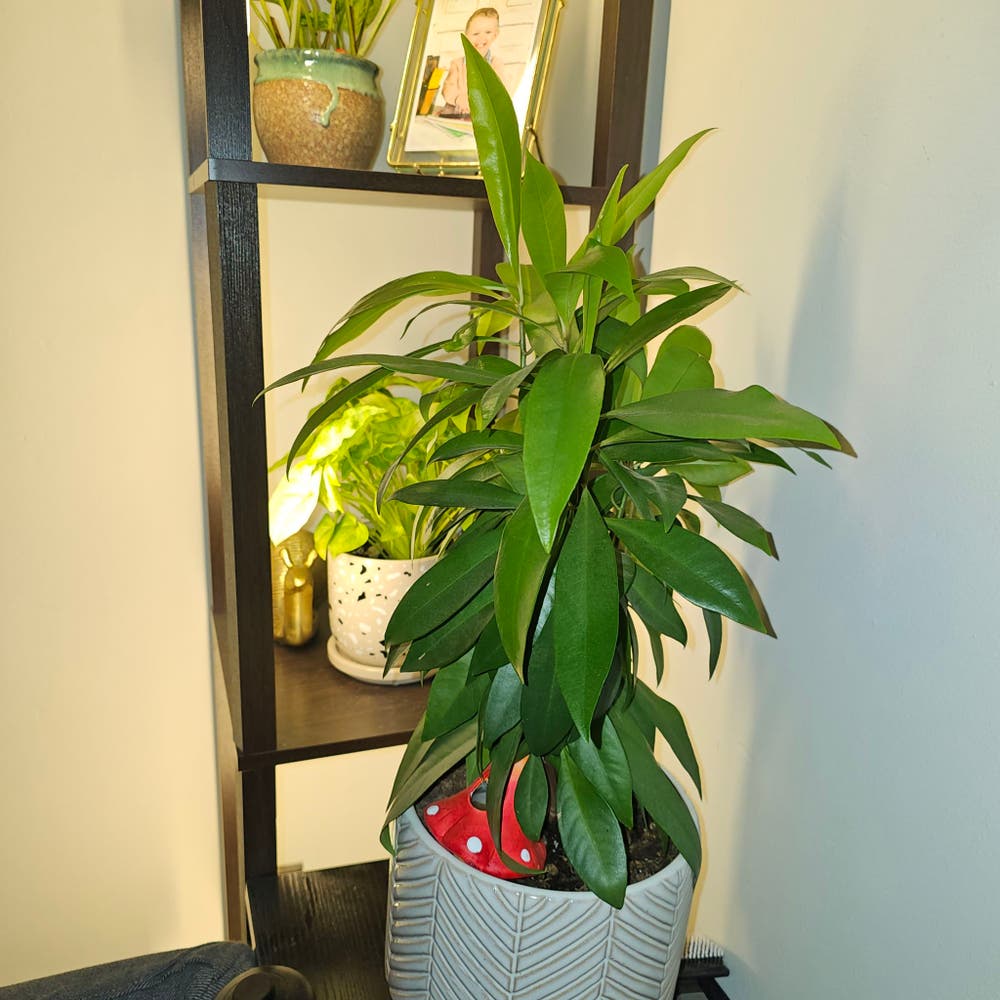
As the Tachibana matures, it undergoes significant physical transformations. The journey begins with small seedlings, characterized by delicate leaves, which gradually evolve into larger, more robust foliage.
With time, the plant develops a thicker trunk and a broader canopy. This transition not only enhances its aesthetic appeal but also strengthens its structure, allowing it to support more extensive growth.
📅 Changes in Care Needs at Different Stages
The care requirements for Tachibana shift as it progresses through its lifecycle. Initially, seedlings need consistent moisture and gentle handling, but as they grow, the frequency of watering and fertilization must be adjusted.
During the vegetative growth stage, the plant demands more space and may require pruning to encourage healthy branching. Understanding these evolving needs is crucial for fostering a thriving Tachibana.
In summary, recognizing the notable changes throughout the lifecycle of Tachibana helps in providing the right care at the right time. This knowledge sets the stage for exploring the growth rate and maturation time of this fascinating plant.
⚠️ Safety First
This content is for general information and may contain errors, omissions, or outdated details. It is not medical, veterinary advice, or an endorsement of therapeutic claims.
Always consult a qualified healthcare professional before using any plant as food, medicine, or supplement.
Never eat any plant (or feed one to pets) without confirming its identity with at least two trusted sources.
If you suspect poisoning, call Poison Control (800) 222-1222, the Pet Poison Helpline (800) 213-6680, or your local emergency service immediately.
Spotted an error? Please report it here.
Master the Tachibana lifecycle 🌱 with Greg's tailored care reminders and tips, ensuring your plant flourishes from germination to full maturity!