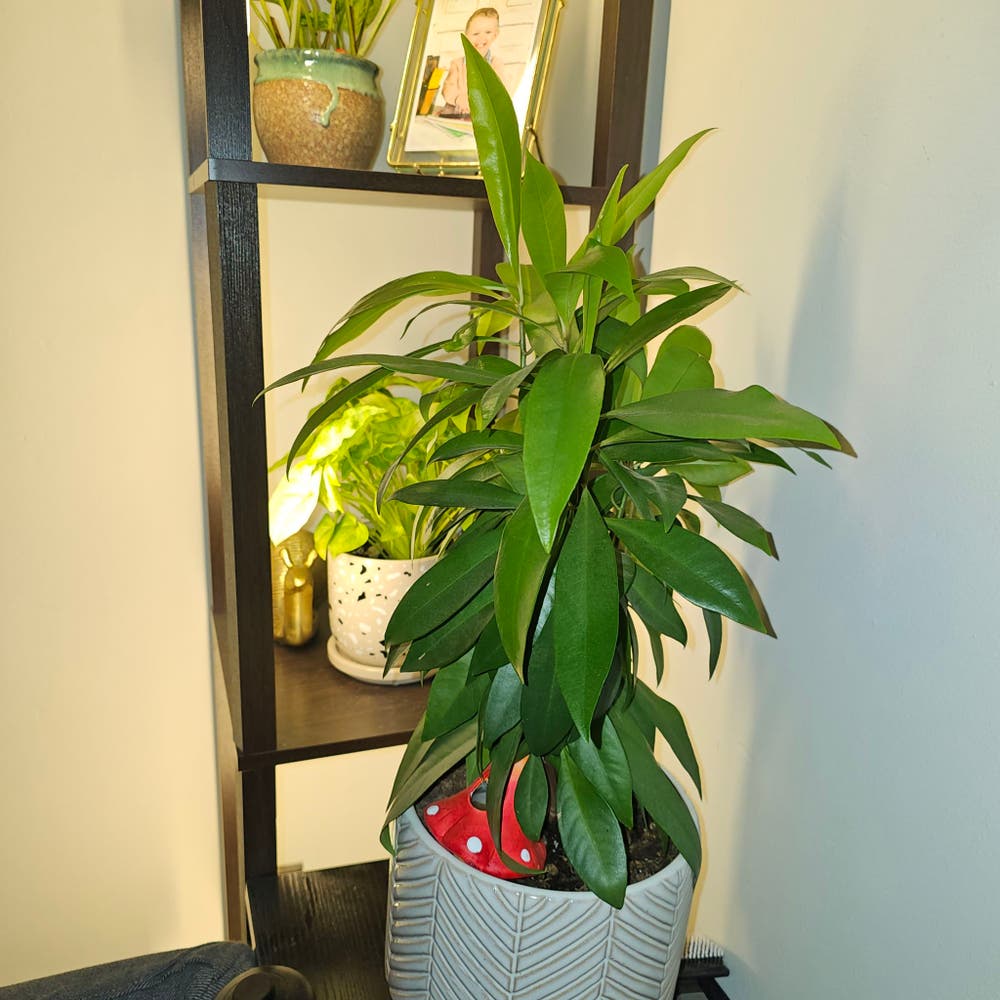
When and Where to Prune Your Tachibana ✂️
Ardisia tachibana
By the Greg Editorial Team
Nov 26, 2024•5 min read
This article was created with the help of AI so we can cover more plants for you. May contain errors. See one? Report it here.
Unlock vibrant blooms and robust growth 🌿 by mastering the art of pruning your Tachibana this season!
- 🌸 Prune Tachibana in spring after frost for best growth and blooms.
- 🍂 Fall pruning post-harvest prepares plants for winter dormancy.
- ✂️ Use clean, sharp shears and proper techniques to promote healthy growth.
Timing for Pruning
🌱 Best Seasons for Pruning
Spring Pruning
The best time to prune your Tachibana in spring is after the last frost but before new growth begins. This timing is crucial as it encourages strong growth and abundant flowering for the season ahead.
Fall Pruning
Fall pruning should occur after the fruit harvest and before the plant enters winter dormancy. This practice prepares your Tachibana for the cold months and shapes it for the next growing season.
🔍 Signs That Indicate When to Prune
Visual Cues
Look for visual signs like yellowing leaves, dead branches, or excessive growth. These indicators suggest that your plant may need a trim to maintain its health and vigor.
Timing Cues
Timing cues are also essential; consider pruning after flowering or fruiting periods. This approach allows the plant to focus its energy on new growth rather than seed production.
Understanding when to prune your Tachibana is vital for its overall health and productivity. With the right timing, you can ensure your plant thrives and flourishes in the seasons to come.
Next, let’s explore where to prune for optimal results.
Where to Prune
🌿 Identifying the Right Branches to Prune
When pruning your Tachibana, focus on removing dead, diseased, or crossing branches. These branches not only detract from the plant's appearance but can also hinder air circulation and light penetration, which are crucial for healthy growth.
Look for branches that are visibly unhealthy or obstructing others. By targeting these areas, you promote a more vigorous and aesthetically pleasing plant.
✂️ Techniques for Cutting
Proper cutting techniques are essential for the health of your Tachibana. Always aim for a 45-degree angle when making cuts; this helps promote healing and reduces the risk of disease.
Make your cuts just above a node or leaf junction. This location encourages new growth and ensures that the plant can recover quickly from the pruning process.
By following these guidelines, you can ensure that your Tachibana thrives and flourishes. Next, let’s explore the importance of deadheading for maintaining plant health.
Deadheading
🌼 Importance of Deadheading for Plant Health
Deadheading is crucial for maintaining the health of your Tachibana. By removing spent flowers, you prevent the plant from draining energy into seed production, allowing it to focus on producing more blooms.
This simple practice can significantly enhance flowering cycles. With regular deadheading, you increase the chances of enjoying multiple rounds of vibrant flowers throughout the season.
✂️ Step-by-Step Instructions for Deadheading
Deadheading is an easy task that anyone can master. Follow these simple steps to keep your Tachibana blooming beautifully:
- Identify spent flowers: Look for wilted or brown blooms that are past their prime.
- Use clean, sharp pruning shears: Ensure your tools are sanitized to prevent disease.
- Cut the flower stem: Trim back to the first set of healthy leaves to encourage new growth.
- Dispose of removed flowers: Properly discard the spent blooms to deter pests and diseases.
By incorporating deadheading into your gardening routine, you’ll foster a healthier, more vibrant Tachibana. This practice not only enhances the plant's appearance but also boosts its overall vitality, setting the stage for a flourishing garden.
As you embrace the art of deadheading, you’ll find it seamlessly connects to the next essential aspect of plant care: avoiding common pruning mistakes.
Common Pruning Mistakes
Mistakes to Avoid When Pruning 🌿
Pruning can be a delicate dance, and missteps can lead to serious consequences. One of the most common mistakes is over-pruning; removing too much foliage can significantly reduce flowering and fruiting, leaving your Tachibana looking sparse.
Another pitfall is incorrect timing. Pruning at the wrong season can stress the plant, making it vulnerable to diseases and stunting its growth. Always be mindful of the right time to prune to keep your plant healthy.
How to Correct Improper Pruning ✂️
If you find yourself in a situation where you've over-pruned, don’t panic. Start by assessing the damage; identify the areas that have been excessively cut back.
Next, focus on recovery techniques. Allow the plant to rest and monitor its growth closely. With proper care, your Tachibana can bounce back and thrive again.
By avoiding these common mistakes and knowing how to correct them, you can ensure your pruning efforts lead to a flourishing plant. Now, let’s explore the essential post-pruning care to keep your Tachibana in top shape.
Post-Pruning Care
Care Tips After Pruning 🌱
After pruning your Tachibana, it's crucial to provide the right care to help it thrive. Start with watering; maintain consistent moisture without overwatering, as soggy soil can lead to root rot.
Next, consider light fertilization. A gentle feeding will support new growth and give your plant the nutrients it needs to bounce back stronger than before.
Monitoring Plant Health Post-Pruning 👀
Keep an eye out for signs of recovery. Look for new growth and healthy leaves, which indicate that your Tachibana is responding well to the pruning.
Regular inspections are essential too. Check for pests or diseases that may arise after pruning, ensuring your plant remains healthy and vibrant throughout the growing season.
With proper post-pruning care, your Tachibana will flourish, setting the stage for a beautiful display in the seasons to come. Now, let’s explore some common pruning mistakes to avoid for optimal plant health.
⚠️ Safety First
This content is for general information and may contain errors, omissions, or outdated details. It is not medical, veterinary advice, or an endorsement of therapeutic claims.
Always consult a qualified healthcare professional before using any plant as food, medicine, or supplement.
Never eat any plant (or feed one to pets) without confirming its identity with at least two trusted sources.
If you suspect poisoning, call Poison Control (800) 222-1222, the Pet Poison Helpline (800) 213-6680, or your local emergency service immediately.
Spotted an error? Please report it here.
Prune your Tachibana like a pro ✂️ with Greg's tailored reminders and expert tips, ensuring vibrant blooms and healthy growth all season long!