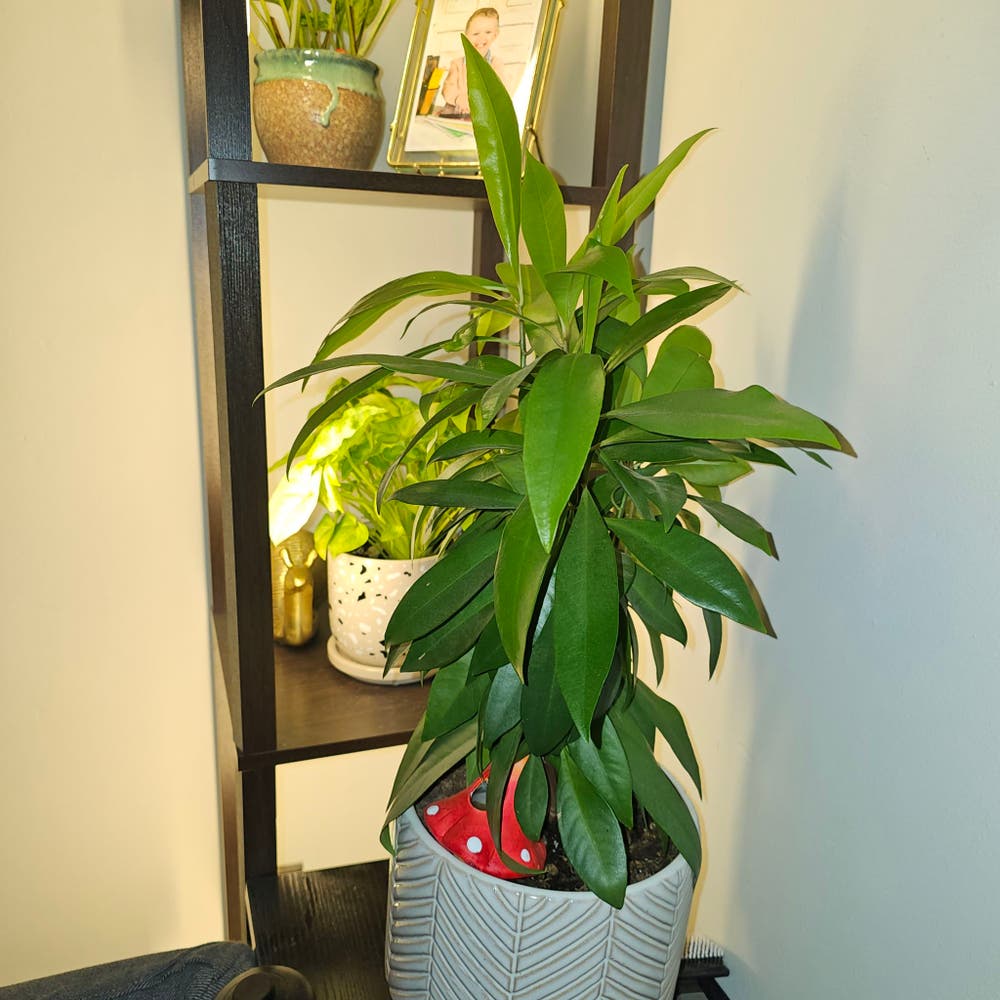
The Best Pollinators for Your Tachibana 🐝
Ardisia tachibana
By the Greg Editorial Team
Nov 26, 2024•5 min read
This article was created with the help of AI so we can cover more plants for you. May contain errors. See one? Report it here.
Unlock the secrets of the Tachibana flower 🌼 to enhance pollination and create a vibrant garden ecosystem! 🌱
- 🌼 Tachibana flowers attract bees, butterflies, and hummingbirds with their citrus scent.
- 🌱 Self-pollination ensures fruit production, but cross-pollination boosts plant health.
- 🌍 Create a pollinator-friendly garden by planting diverse, nectar-rich flowers and avoiding pesticides.
Flower Structure
Description of Characteristics 🌼
The Tachibana flower features a charming five-petal structure, typically showcasing hues of white or pale yellow. This simple yet elegant design not only captivates the eye but also plays a crucial role in attracting pollinators.
Flowers are arranged either singly or in small clusters, which enhances their visibility to potential pollinators. With an average diameter of 2-3 cm, these blooms are perfectly sized to be inviting without being overwhelming.
Role in Pollination 🐝
The anatomy of the Tachibana flower is designed for self-pollination, allowing pollen to transfer from the stamens to the pistil within the same flower. This self-sufficiency ensures that, even in the absence of external pollinators, the plant can still produce fruit.
However, the flower's attractive structure also encourages cross-pollination. By inviting visits from various pollinator species, the Tachibana enhances its genetic diversity, leading to healthier and more resilient plants.
This dual capability of self and cross-pollination makes the Tachibana a fascinating subject for gardeners and nature enthusiasts alike. Understanding these characteristics can help you appreciate the intricate relationships between flowers and their pollinators.
As we delve deeper into the pollination process, we’ll explore how these mechanisms work in tandem to support the Tachibana's growth and reproduction.
Pollination Process
Self-Pollination Mechanism 🌼
Self-pollination is a fascinating process where pollen transfer occurs within the same flower. This often happens thanks to gravity or gentle wind movement, ensuring that the flower can reproduce even in the absence of external pollinators.
While self-pollination can successfully produce fruit, relying solely on this method may limit the genetic diversity of your plants. Incorporating additional pollination techniques can significantly enhance both fruit set and quality.
Cross-Pollination Dynamics 🐝
Cross-pollination introduces a dynamic element to the pollination process, primarily facilitated by various pollinator species.
Primary Pollinator Species
- Bees: These busy insects are drawn in by the fragrant nectar, playing a crucial role in pollination.
- Butterflies: Their attraction to the vibrant colors and sweet scents of the flowers makes them essential for cross-pollination.
- Hummingbirds: Occasionally, these agile birds visit for nectar, adding to the diversity of pollinators.
Attraction Mechanisms
The success of cross-pollination hinges on effective attraction strategies.
- Fragrance: The strong citrus scent of Tachibana flowers is a powerful lure for pollinators, drawing them in from afar.
- Nectar Availability: By providing a reliable food source, these flowers encourage frequent visits from various species, enhancing the chances of successful pollination.
Understanding these mechanisms not only helps in appreciating the beauty of nature but also in maximizing the productivity of your Tachibana plants. As we move forward, let’s explore how to support these vital pollinators in your garden.
Hand Pollination Techniques
Hand pollination can be a rewarding way to ensure your Tachibana flowers thrive. Here’s a straightforward guide to help you navigate this moderate-level technique.
Step 1: Identify Male and Female Flower Parts 🌸
First, you need to recognize the flower's anatomy. The male parts, known as stamens, produce pollen, while the female part, the pistil, features a sticky stigma that captures pollen.
Step 2: Collecting Pollen 🌼
Next, gather the pollen. Use a small brush or a cotton swab to gently collect pollen from the stamens. This step is crucial for successful pollination.
Step 3: Transferring Pollen 🔄
Now, it’s time to transfer the pollen. Carefully apply the collected pollen to the stigma of the female flower. This direct contact is essential for fertilization.
Step 4: Timing ⏰
Timing is everything! Perform this process in the morning when the flowers are fully open. This ensures that the flowers are most receptive to the pollen.
Hand pollination not only boosts your chances of fruit set but also deepens your connection with your plants. With these techniques, you can enhance the health and productivity of your Tachibana flowers, setting the stage for a bountiful harvest.
As you explore these methods, consider how they fit into the broader context of supporting pollinators and creating a thriving garden ecosystem.
Supporting Pollinators
🌼 Creating a Pollinator-Friendly Environment
To attract a variety of pollinators, it's essential to plant diverse flowering species. This diversity not only enhances the beauty of your garden but also provides essential resources for different pollinators throughout the growing season.
Avoiding pesticides is crucial for maintaining a healthy ecosystem. These chemicals can harm beneficial insects, disrupting the delicate balance of your garden's pollination efforts.
🌱 Suggested Companion Plants
Consider adding marigolds to your garden. Their bright colors and nectar-rich blooms are irresistible to bees and butterflies.
Lavender is another excellent choice. Its fragrant flowers provide nectar for a wide range of pollinators, making it a favorite among gardeners.
Sunflowers are also a fantastic option. Their large, vibrant blooms attract multiple pollinator species, ensuring your garden is buzzing with activity.
By incorporating these companion plants, you create a thriving environment that supports pollinators and enhances the overall health of your Tachibana. This not only boosts pollination but also contributes to a vibrant and lively garden atmosphere.
As you cultivate this pollinator-friendly space, you'll be setting the stage for successful pollination and a flourishing garden.
Pollination Challenges
🌪️ Common Obstacles
Pollination can be hindered by various environmental factors. Temperature fluctuations and humidity levels can significantly impact the activity of pollinators, making it crucial to monitor these conditions.
Urban areas often face a lack of natural pollinators. This scarcity can lead to reduced pollination rates, affecting the overall health of your Tachibana plants.
🛠️ Solutions
To combat these challenges, consider planting a variety of nectar-rich flowers. This diversity can attract a broader range of pollinators, increasing the chances of successful pollination.
Implementing protective measures, such as windbreaks, can create a stable microclimate for pollinators. These barriers help shield them from harsh weather conditions, encouraging their activity.
Additionally, using the Greg plant care app can be a game-changer. It provides timely reminders on optimal pollination times and conditions, ensuring you never miss a chance to support your plants.
By addressing these challenges proactively, you can foster a thriving environment for pollinators and enhance the health of your Tachibana. Now, let’s explore how to support these vital creatures further.
⚠️ Safety First
This content is for general information and may contain errors, omissions, or outdated details. It is not medical, veterinary advice, or an endorsement of therapeutic claims.
Always consult a qualified healthcare professional before using any plant as food, medicine, or supplement.
Never eat any plant (or feed one to pets) without confirming its identity with at least two trusted sources.
If you suspect poisoning, call Poison Control (800) 222-1222, the Pet Poison Helpline (800) 213-6680, or your local emergency service immediately.
Spotted an error? Please report it here.
Attract vital pollinators 🐝 for your Tachibana flowers and boost your harvest with Greg's personalized tips and reminders that ensure your garden thrives!