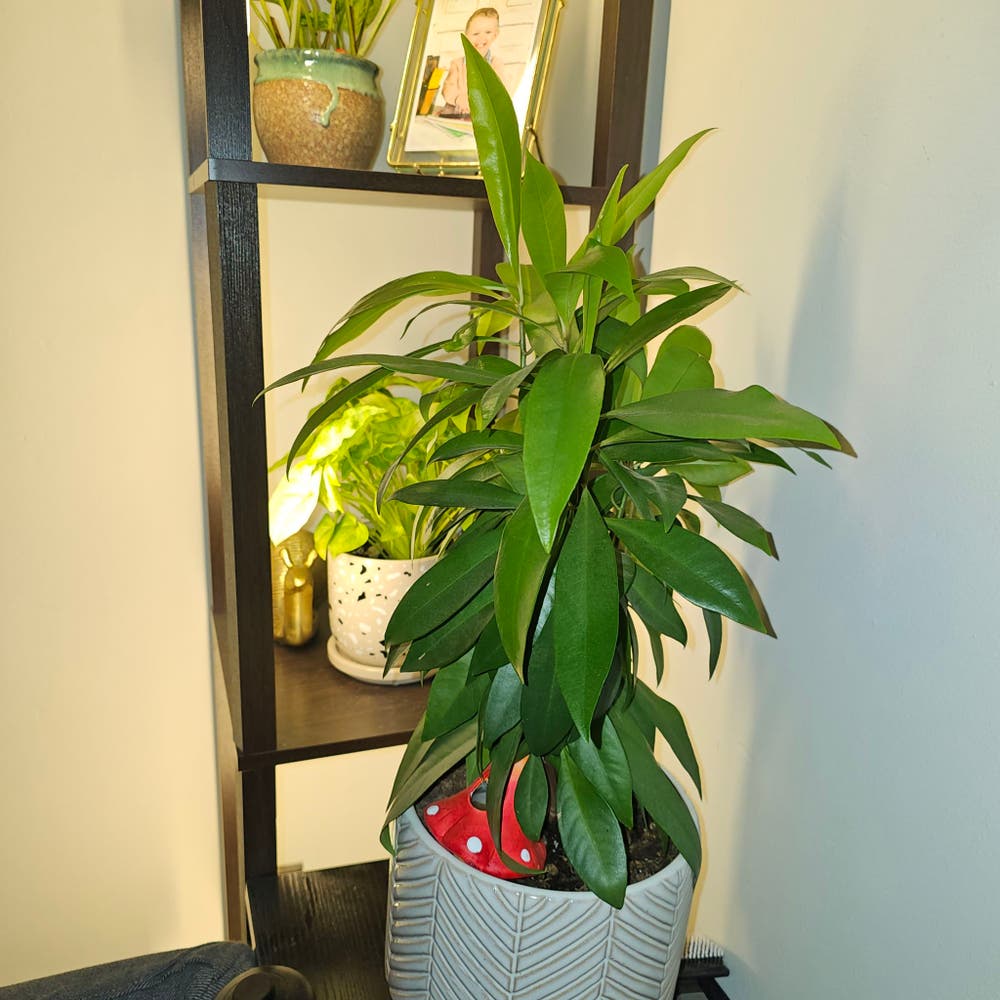
How to Fix Curling Leaves on Your Tachibana 🍃
Ardisia tachibana
By the Greg Editorial Team
Nov 26, 2024•6 min read
This article was created with the help of AI so we can cover more plants for you. May contain errors. See one? Report it here.
Revive your Tachibana's vitality 🌱 by learning to diagnose and prevent leaf curling effectively! 🌿
- 🌱 Curling leaves on Tachibana stem from pests, watering issues, or nutrient deficiencies.
- 🌡️ Ideal temperature for healthy leaves is 20°C to 30°C (68°F to 86°F).
- 💧 Maintain humidity between 40% to 60% to prevent leaf curling.
Causes of Leaf Curling
🌡️ Environmental Stress Factors
Temperature extremes can significantly impact your Tachibana. The ideal temperature range is between 20°C to 30°C (68°F to 86°F). When temperatures stray too far from this range, you may notice symptoms like leaf curling, yellowing, and even dropping.
Humidity levels also play a crucial role in leaf health. The optimal humidity for Tachibana is between 40% to 60%. Low humidity can lead to curling leaves and browning tips, while high humidity increases the risk of fungal diseases.
🐞 Pests Affecting Tachibana
Aphids
Aphids are small, soft-bodied insects that can be green or black. They feed on the sap of your plant, causing leaf curling and distortion.
To control aphids, consider using insecticidal soap or neem oil. These treatments are effective and can help restore your plant's health.
Spider Mites
Spider mites are tiny, spider-like creatures that often leave fine webbing on your plants. Their feeding can cause leaves to appear stippled and curl due to sap loss.
To manage spider mites, increase humidity around your plant, use miticides, or introduce predatory mites. These methods can help keep your Tachibana thriving.
🥦 Nutrient Deficiencies
Nitrogen Deficiency
A nitrogen deficiency can manifest as yellowing leaves, stunted growth, and curling. This nutrient is vital for healthy foliage.
To remedy this, use a balanced fertilizer that contains adequate nitrogen. This will help your plant regain its vigor.
Magnesium Deficiency
Magnesium deficiency is characterized by interveinal chlorosis, where the areas between leaf veins turn yellow while the veins remain green. This can also lead to curling leaves.
Applying Epsom salt (magnesium sulfate) to the soil can effectively address this deficiency. Your Tachibana will appreciate the boost.
💧 Watering Issues
Overwatering
Overwatering can lead to root rot, yellowing leaves, and curling. It's essential to ensure your soil drains well and to adjust your watering frequency accordingly.
To prevent overwatering, check that your pots have drainage holes and that the soil is well-aerated. This will help maintain a healthy root system.
Underwatering
Underwatering can cause wilting, dry leaf edges, and curling. Consistent watering is key to keeping your Tachibana hydrated.
Make sure to water thoroughly and allow the soil to dry slightly between waterings. This balance will keep your plant happy and healthy.
Understanding these causes of leaf curling is the first step toward restoring your Tachibana's health. Next, we’ll dive into diagnosing the specific symptoms of leaf curl to pinpoint the issue more accurately.
Diagnosing Leaf Curling
🌿 Identifying Symptoms of Leaf Curl
When diagnosing leaf curling on your Tachibana, start by observing the type of curl. Leaves may curl upward or downward, each indicating different issues.
Discoloration is another key symptom to watch for. Yellowing, browning, or mottling can signal underlying problems that need addressing.
🐛 Differentiating Between Pest Damage and Environmental Stress
Next, conduct a visual inspection of your plant. Look closely at the undersides of leaves for pests that might be causing damage.
Environmental indicators are equally important. Check the temperature and humidity levels around your plant to rule out stress factors.
💧 Assessing Soil and Watering Practices
Soil moisture plays a crucial role in leaf health. Use your finger to check the top inch of soil; if it feels dry, it’s time to water.
Also, assess drainage to ensure your pots have adequate holes and that the soil is well-aerated. Poor drainage can lead to root issues that contribute to leaf curling.
By carefully diagnosing these symptoms and factors, you can pinpoint the cause of leaf curling and take appropriate action. This sets the stage for effective solutions that will restore your Tachibana's health.
Solutions for Curling Leaves
🐛 Treatment for Pest Infestations
Identifying pests is the first step in addressing leaf curling. Use a magnifying glass to spot small insects like aphids or spider mites.
Once identified, choose an effective treatment method. Options include insecticidal soap, neem oil, or introducing natural predators to your Tachibana.
Follow the label instructions for application frequency to ensure the treatment is effective without harming your plant.
💧 Adjusting Watering Practices
Watering practices play a crucial role in maintaining healthy leaves. Start by watering your Tachibana when the top inch of soil feels dry to the touch.
Adjust your watering frequency based on the season. Expect to water more often in the summer and less during the winter months.
Always monitor drainage to prevent root rot. Ensure your pots have adequate drainage holes and that the soil is well-aerated.
🌱 Fertilization Strategies for Healthy Leaves
Fertilization is key to keeping your Tachibana thriving. Choose a balanced fertilizer with NPK ratios suitable for citrus plants.
Apply fertilizer every 4-6 weeks during the growing season. This regular feeding helps support healthy growth and vibrant leaves.
Keep an eye on leaf health and adjust your fertilization practices based on their appearance. Yellowing or curling leaves may indicate a need for more nutrients.
🌞 Environmental Adjustments
💡 Light Requirements
Light is essential for your Tachibana's well-being. Aim for full sun exposure, providing 6-8 hours of direct sunlight daily.
If natural light is insufficient, consider using grow lights to supplement. This adjustment can make a significant difference in leaf health.
🌬️ Humidity Control
Humidity levels can greatly affect your plant's condition. Increase humidity by using a humidifier or placing pebble trays filled with water near your Tachibana.
Regularly monitor humidity levels, aiming for a range of 40%-60% relative humidity. This balance helps prevent leaf curling and promotes overall plant health.
By implementing these solutions, you can effectively address curling leaves on your Tachibana. With the right care, your plant will thrive and flourish, setting the stage for the next section on preventing future leaf curling.
Preventing Future Leaf Curling
👀 Regular Monitoring and Maintenance
Keeping an eye on your Tachibana is crucial for preventing leaf curling. Conduct weekly inspections to check for pests and assess leaf health.
Soil moisture checks are equally important. Ensure you're following proper watering practices to maintain optimal soil conditions.
🌱 Best Practices for Indoor and Outdoor Care
For indoor care, rotating pots can make a significant difference. This simple act ensures even light exposure, promoting balanced growth.
When it comes to outdoor care, protecting your plant from extreme weather conditions is key. Shield it from harsh winds and intense sun to keep it thriving.
🍂 Seasonal Care Tips for Tachibana
Spring is the perfect time to fertilize and check for pests. This proactive approach sets the stage for healthy growth.
In summer, monitor your watering closely, especially during heat waves. Your plant will appreciate the extra attention.
As fall approaches, prepare for cooler temperatures by reducing watering. This adjustment helps your Tachibana transition smoothly into the colder months.
Finally, in winter, protect your plant from frost and adjust its light exposure. These seasonal tweaks will help maintain its health year-round.
By following these preventive measures, you can keep your Tachibana flourishing and free from curling leaves. Next, let’s dive into diagnosing leaf curling to better understand how to tackle any issues that arise.
⚠️ Safety First
This content is for general information and may contain errors, omissions, or outdated details. It is not medical, veterinary advice, or an endorsement of therapeutic claims.
Always consult a qualified healthcare professional before using any plant as food, medicine, or supplement.
Never eat any plant (or feed one to pets) without confirming its identity with at least two trusted sources.
If you suspect poisoning, call Poison Control (800) 222-1222, the Pet Poison Helpline (800) 213-6680, or your local emergency service immediately.
Spotted an error? Please report it here.
Keep your Tachibana thriving 🌿 by using Greg's tailored care reminders to tackle curling leaves caused by environmental stress, pests, and watering issues!