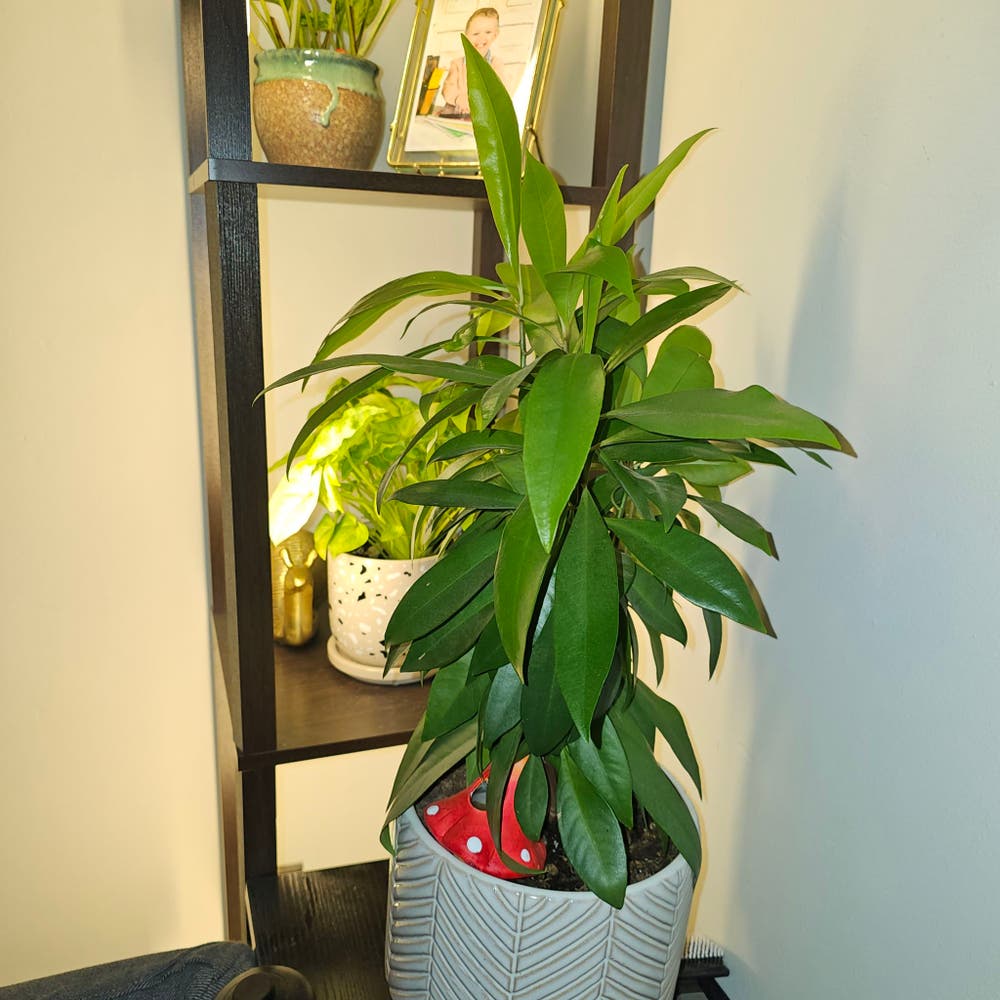
💧 Watering Frequency for Tachibana: Best Practices
Ardisia tachibana
By the Greg Editorial Team
Nov 26, 2024•6 min read
This article was created with the help of AI so we can cover more plants for you. May contain errors. See one? Report it here.
Unlock the secret to a thriving Tachibana 🌿 with expert watering tips that keep your plant vibrant year-round! 💧
- 💧 Water Tachibana every 7-14 days, adjusting for seasons and conditions.
- 🌞 Spring/summer needs more frequent watering; fall/winter requires less.
- 📱 Use apps or moisture meters for precise watering schedules and reminders.
Ideal Watering Frequency
🌧️ General Guidelines
For your Tachibana, the recommended watering frequency is every 7-14 days. This interval can vary based on environmental conditions, so it's essential to observe your plant closely.
During spring and summer, when growth is more vigorous, aim to water every 7-10 days. In contrast, fall and winter call for less frequent watering, typically every 10-14 days.
🌞 Factors Affecting Watering Needs
💡 Light Conditions
Light plays a crucial role in determining how often you should water. In bright, indirect light, your Tachibana will need more frequent watering to keep the soil adequately moist.
Conversely, if your plant is in low light, it will require less frequent watering. The reduced light slows down the plant's growth, leading to lower moisture needs.
🌡️ Temperature
Temperature significantly impacts evaporation rates. When temperatures rise above 25°C (77°F), evaporation increases, necessitating more frequent watering.
On the other hand, cooler temperatures below 20°C (68°F) decrease evaporation, meaning your plant will need less water. Adjust your watering schedule accordingly to keep your Tachibana thriving.
💧 Humidity Levels
Humidity levels also affect soil moisture retention. In high humidity, the soil dries out more slowly, allowing you to water less frequently.
However, in low humidity conditions, the soil dries out faster, requiring you to water more often. Keep an eye on the humidity levels to ensure your plant receives the right amount of moisture.
Understanding these factors will help you maintain an optimal watering routine for your Tachibana. By adjusting your approach based on light, temperature, and humidity, you can ensure your plant stays healthy and vibrant.
Next, we’ll explore how to recognize signs of over-watering and under-watering, so you can fine-tune your care even further.
Recognizing Over-Watering and Under-Watering
🚿 Signs of Over-Watering
Over-watering can be a sneaky problem for your Tachibana. One of the first signs to look for is yellowing leaves, which indicates that your plant is stressed from excess moisture.
Another red flag is wilting leaves despite wet soil. This can mean that the roots are suffocating due to a lack of oxygen. If you inspect the roots and find them dark and mushy, you may be dealing with root rot, a serious condition that can jeopardize your plant's health.
💧 Signs of Under-Watering
On the flip side, under-watering can also cause distress. Drooping leaves are a clear sign that your Tachibana is dehydrated and in need of water.
You might also notice dry, crumbly soil, which indicates a lack of moisture. In severe cases, the plant may even experience leaf drop, signaling that it’s time to take action before it’s too late.
Recognizing these signs early can help you maintain a healthy watering routine for your Tachibana. Next, let’s explore effective watering techniques to keep your plant thriving.
Watering Techniques
💧 Bottom-Watering Method
Watering from the bottom is a fantastic technique that allows your Tachibana to absorb moisture directly through its drainage holes. This method not only promotes healthy root growth but also helps prevent over-saturation of the soil.
Steps to Bottom-Water Your Plant
- Fill a basin with water.
- Place the pot in the basin, ensuring the drainage holes are submerged.
- Allow the plant to soak for 30 minutes or until the topsoil feels moist.
This simple process can significantly enhance your plant's hydration routine.
🪴 Using Self-Watering Pots
Self-watering pots are a game-changer for busy plant parents. They provide consistent moisture levels, reducing the risk of over-watering and ensuring your Tachibana thrives.
Key Features to Look For
- Water Reservoir: This holds excess water for gradual absorption, keeping the soil evenly moist.
- Moisture Indicator: A handy feature that shows when the reservoir needs refilling, taking the guesswork out of watering.
Investing in a self-watering pot can simplify your plant care routine and keep your Tachibana happy and healthy.
As you explore these watering techniques, remember that understanding your plant's specific needs is crucial. Next, we’ll dive into how to measure soil moisture effectively, ensuring you always know when it's time to water.
Measuring Soil Moisture
🌱 How to Check Soil Moisture Levels
Checking soil moisture is crucial for maintaining a healthy Tachibana. Start with a visual inspection: look for dry, cracked soil or a dark, moist appearance that indicates adequate moisture.
For a more hands-on approach, try the finger test. Simply insert your finger into the soil up to 2 inches; if it feels dry, it’s time to water your plant.
📏 Tools for Measuring Soil Moisture
For those who prefer precision, a soil moisture meter is your best friend. This handy tool provides accurate readings of moisture levels, ensuring you know exactly when to water.
If you’re looking for a DIY method, grab a wooden stick or chopstick. Insert it into the soil; if it comes out dry, your plant is signaling for some hydration.
Understanding how to measure soil moisture effectively will help you maintain the right balance for your Tachibana. With these techniques and tools, you can confidently care for your plant, ensuring it thrives in its environment.
Next, let’s explore watering techniques that can further enhance your plant care routine.
Watering Reminders and Scheduling
🌱 Using the Greg Plant Care App
The Greg Plant Care App is a game-changer for plant enthusiasts. It offers customizable watering schedules tailored to your Tachibana's specific needs.
With its notification feature, you’ll receive timely reminders for watering, ensuring your plant never goes neglected. This app takes the guesswork out of plant care, making it easier to keep your Tachibana thriving.
📅 Creating a Personalized Watering Schedule
When crafting a personalized watering schedule, consider several key factors. Seasonal changes in temperature and humidity can significantly impact your plant's water requirements.
Additionally, pay attention to your plant's health and moisture levels. Observing how your Tachibana responds to its environment will guide you in adjusting your watering routine.
Suggested Schedule Template
- Growing Season: Conduct weekly checks to monitor moisture and health.
- Dormant Periods: Shift to bi-weekly checks, as your plant will require less water.
By following these guidelines, you can ensure your Tachibana receives the right amount of water at the right time. This proactive approach will help maintain its vitality and beauty.
As you refine your watering habits, you'll gain confidence in your plant care skills, setting the stage for a flourishing indoor garden. Up next, we’ll dive into effective watering techniques to further enhance your plant care routine.
⚠️ Safety First
This content is for general information and may contain errors, omissions, or outdated details. It is not medical, veterinary advice, or an endorsement of therapeutic claims.
Always consult a qualified healthcare professional before using any plant as food, medicine, or supplement.
Never eat any plant (or feed one to pets) without confirming its identity with at least two trusted sources.
If you suspect poisoning, call Poison Control (800) 222-1222, the Pet Poison Helpline (800) 213-6680, or your local emergency service immediately.
Spotted an error? Please report it here.
Keep your Tachibana thriving 🌱 by mastering its watering needs with Greg's tailored reminders and moisture checks for a flourishing plant all year round!