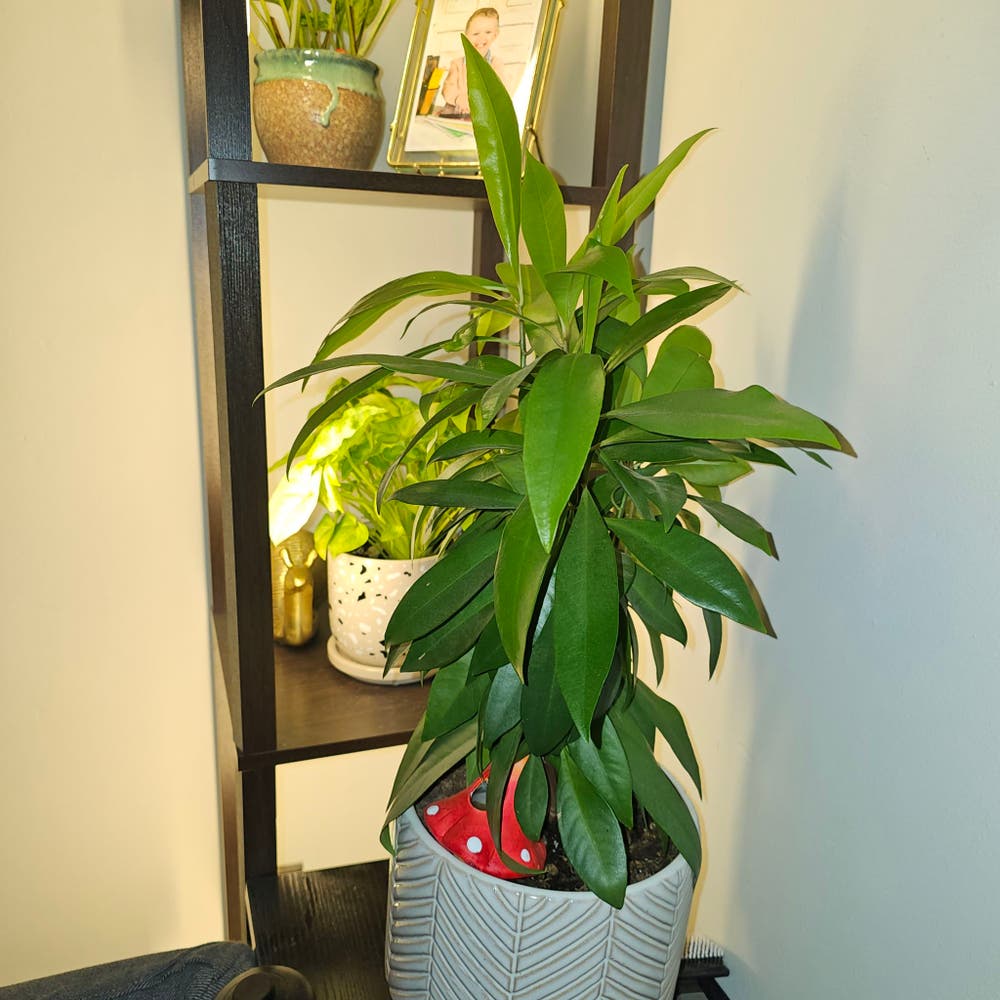
The Meaning of Tachibana Flowers 🌸
Ardisia tachibana
By the Greg Editorial Team
Nov 26, 2024•4 min read
This article was created with the help of AI so we can cover more plants for you. May contain errors. See one? Report it here.
Unlock the charm of Tachibana, a resilient plant that thrives with stunning foliage and fragrant fruit! 🌿🍇
- 🌼 Tachibana flowers are small and often overshadowed by its lush foliage and fruit.
- 🌱 This plant thrives without flowers, using asexual reproduction for survival.
- 🍊 Culturally significant in Japan, Tachibana enhances gardens with beauty and fragrance.
Flowering Status
Clarification on Flower Production 🌼
Tachibana can indeed produce flowers, though they may not steal the spotlight. These small, white blooms are simple and understated, often going unnoticed among the plant's more prominent features.
Explanation of Non-Flowering Characteristics 🌿
The true charm of Tachibana lies in its lush foliage and fragrant fruit, which are the primary reasons gardeners adore this plant. Additionally, Tachibana has a remarkable ability to reproduce asexually through vegetative propagation, ensuring its survival and spread even without flowering.
This unique combination of characteristics makes Tachibana a versatile choice for gardens, appealing to those who appreciate both its aesthetic and functional qualities. As we delve deeper into the flowering process, we’ll explore what happens when Tachibana does bloom.
If Tachibana Flowers
🌼 Flower Characteristics
Description of Colors and Structure
Tachibana flowers are small and typically white, adding a subtle charm to the plant. They feature simple flower spikes with just a few petals, making them less visually striking but still noteworthy.
Self-Pollination vs. External Pollination
Tachibana can self-pollinate, but it also benefits from external pollination. While self-pollination is effective, the presence of pollinators can enhance fruit production.
🌸 Blooming Process
Blooming Stages and Typical Bloom Time
The blooming process of Tachibana involves three stages: bud formation, flowering, and fruiting. Typically, blooms occur during specific seasons, influenced by environmental conditions.
Duration from Bud Formation to Full Bloom
From bud formation to full bloom, the process takes about 2-3 weeks. This timeframe allows the plant to transition smoothly through its blooming stages.
Lifespan of the Flowers
Once bloomed, Tachibana flowers have a lifespan of about 1-2 weeks before wilting. This brief period highlights the plant's focus on fruit development rather than prolonged flowering.
🌱 Encouraging Blooms
Tips to Encourage Tachibana to Bloom
To encourage blooming, ensure optimal conditions such as adequate sunlight, quality soil, and proper watering practices. Using balanced fertilizers can also promote healthy flowering.
Factors Influencing Flowering
Several environmental factors influence flowering, including temperature, humidity, and light exposure. Additionally, plant health plays a crucial role; stress factors can inhibit blooming.
🍇 Post-Flowering
What Happens to the Plant After Flowering
After flowering, Tachibana transitions to fruit development and leaf growth. This phase is vital for the plant's overall health and longevity.
Discussion on Whether Tachibana Dies After Flowering
It's important to note that Tachibana does not die after flowering; it continues to thrive and produce fruit. This resilience makes it a valuable addition to any garden.
🐝 Pollination
Description of Pollination Methods for Tachibana
Tachibana relies on natural pollination methods, including wind and insect activity. If necessary, manual pollination can be performed to ensure successful fruit set.
With a better understanding of Tachibana's flowering process, you can appreciate its unique characteristics and care for it effectively. Next, let’s explore what happens when Tachibana doesn’t flower.
If Tachibana Doesn't Flower
🌿 Primary Ornamental or Functional Features
Tachibana is cherished for its stunning foliage and aromatic fruit. The glossy leaves create a lush backdrop in gardens, while the fragrant fruit adds an enticing scent that attracts both gardeners and pollinators alike.
These features make Tachibana a popular choice for ornamental gardens. Its vibrant greenery and delightful aroma can enhance any landscape, even in the absence of flowers.
🔄 Explanation of How Tachibana Reproduces Without Flowers
Tachibana has a remarkable ability to reproduce without flowering through vegetative propagation methods. This includes techniques like cuttings and layering, which allow the plant to thrive and spread.
Asexual reproduction is crucial for maintaining healthy Tachibana populations. It ensures that even without flowers, the plant can continue to flourish and contribute to its ecosystem.
In summary, Tachibana's ornamental appeal and unique reproductive strategies make it a fascinating addition to any garden. Now, let's explore the unique aspects of Tachibana that set it apart from other plants.
Unique Aspects of Tachibana
🌸 Cultural Significance in Japan
Tachibana flowers hold a special place in Japanese culture, often associated with traditional gardens. These gardens emphasize harmony with nature, and Tachibana's presence enhances the serene atmosphere.
🍽️ Historical Uses in Horticulture and Cuisine
Historically, Tachibana has been valued not just for its beauty but also for its practical uses. In horticulture, it has been cultivated for its fragrant fruit, which is used in various culinary dishes, adding a unique flavor to traditional recipes.
Tachibana's versatility makes it a beloved choice among gardeners and chefs alike. Its ornamental appeal combined with functional benefits ensures its continued popularity in both gardens and kitchens.
As we explore the various aspects of Tachibana, its unique characteristics reveal a plant that is much more than just a pretty flower. Let's delve deeper into its flowering and non-flowering features to understand its full potential.
⚠️ Safety First
This content is for general information and may contain errors, omissions, or outdated details. It is not medical, veterinary advice, or an endorsement of therapeutic claims.
Always consult a qualified healthcare professional before using any plant as food, medicine, or supplement.
Never eat any plant (or feed one to pets) without confirming its identity with at least two trusted sources.
If you suspect poisoning, call Poison Control (800) 222-1222, the Pet Poison Helpline (800) 213-6680, or your local emergency service immediately.
Spotted an error? Please report it here.
Tachibana flowers may be subtle, but their lush foliage and fragrant fruit can shine in your garden, and with Greg's custom care tips 🌱, you'll cultivate the ideal conditions for thriving blooms and delicious fruit!