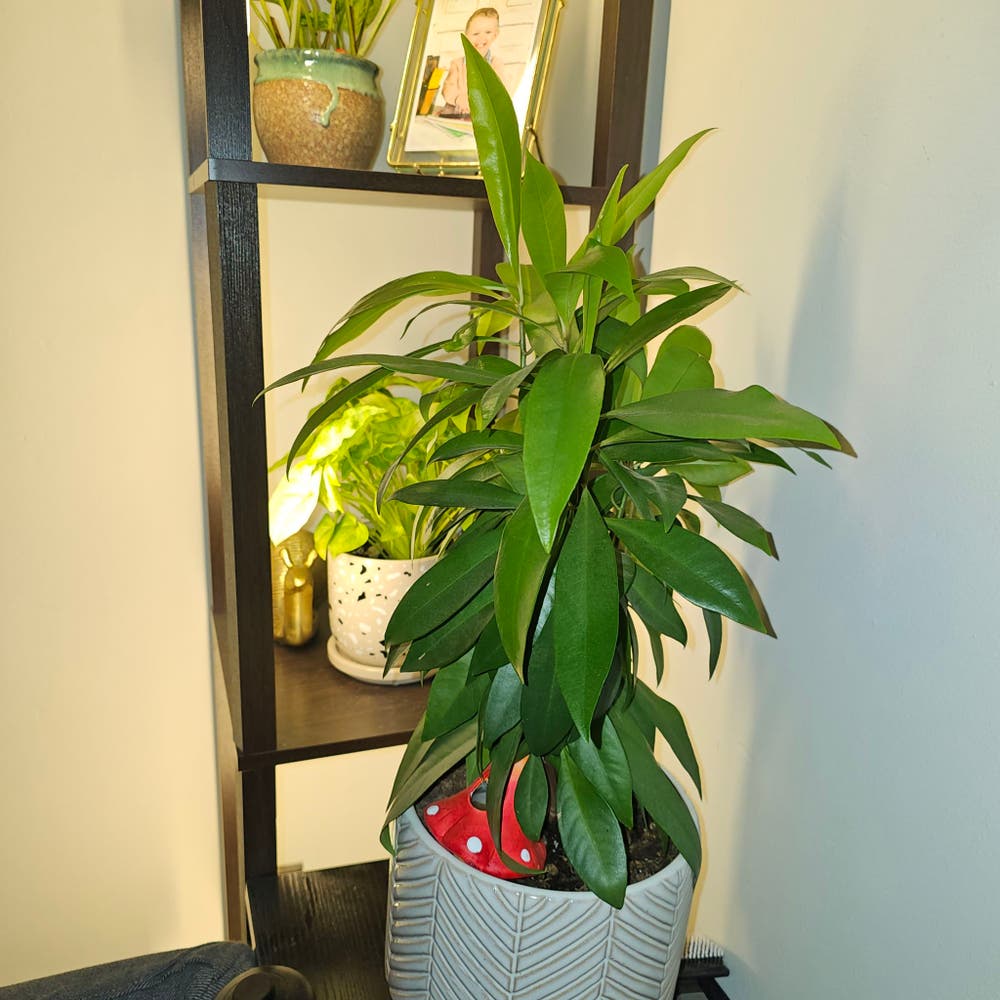
🔍 How to Cure Brown Spots on Your Tachibana
Ardisia tachibana
By the Greg Editorial Team
Nov 26, 2024•5 min read
This article was created with the help of AI so we can cover more plants for you. May contain errors. See one? Report it here.
Revive your Tachibana's beauty 🌱 by mastering the art of preventing and treating pesky brown spots!
- 🌱 Brown spots arise from stress, pests, or nutrient deficiencies. Identify the cause!
- ☀️ Balance light exposure: Too much sun scorches, too little weakens your Tachibana.
- 🛡️ Regular inspections and proactive care prevent brown spots and promote plant health.
Causes of Brown Spots
🌍 Environmental Stress Factors
Brown spots on your Tachibana can often be traced back to environmental stress.
Light Conditions
Too much direct sunlight can scorch the leaves, leading to unsightly brown spots. Conversely, insufficient light weakens the plant, making it more susceptible to stress.
Temperature Fluctuations
Maintaining an ideal temperature range of 20°C to 30°C (68°F to 86°F) is crucial. Extreme heat or cold can cause significant leaf damage, resulting in brown spots.
Humidity Levels
Low humidity can lead to leaf dehydration, causing browning. On the flip side, high humidity may create a breeding ground for fungal infections.
🥦 Nutrient Deficiencies
Nutrient deficiencies are another common culprit behind brown spots.
Nitrogen Deficiency
A nitrogen deficiency often manifests as yellowing leaves with brown spots. This nutrient is essential for healthy leaf growth, so keep an eye on your plant's nutrition.
Magnesium Deficiency
Magnesium deficiency can cause interveinal chlorosis and browning at the edges of leaves. This nutrient is crucial for photosynthesis and overall plant vigor.
🍄 Fungal Infections
Fungal infections can wreak havoc on your Tachibana, leading to brown spots.
Leaf Spot Diseases
Common leaf spot diseases like Alternaria and Phyllosticta present as dark brown to black spots with yellow halos. These conditions thrive in high humidity and poor air circulation, making it essential to monitor your plant's environment.
🐜 Pest Infestations
Pests can also contribute to the appearance of brown spots on your Tachibana.
Aphids
Aphids leave a sticky residue on leaves, causing curled leaves and brown spots. They weaken plants by sucking sap, so early detection is key.
Spider Mites
Spider mites create fine webbing and cause stippled leaves. Their presence can lead to significant leaf discoloration and damage, making it crucial to inspect your plants regularly.
Understanding these causes is the first step in addressing brown spots on your Tachibana. Next, we'll explore how to diagnose these issues effectively.
Diagnosing Brown Spots
Identifying Symptoms 🌟
When diagnosing brown spots on your Tachibana, start by examining the size of the spots. Small spots may indicate minor issues, while larger ones could signal more significant problems.
Next, consider the color of the spots. Dark brown spots often suggest fungal infections, whereas yellowish spots may point to nutrient deficiencies.
Finally, pay attention to the location of the spots. Spots on the upper leaf surfaces might indicate pest infestations, while those on the lower surfaces could be a sign of environmental stress.
Differentiating Between Causes 🔍
To effectively differentiate between causes, assess the leaf color and pattern. This can help you determine whether the issue stems from a nutrient deficiency or a fungal infection.
Regular leaf inspections are crucial for early diagnosis. By checking your plants weekly for pests or disease symptoms, you can catch problems before they escalate.
Understanding these symptoms and their implications will empower you to take action. With the right approach, you can restore your Tachibana to its vibrant self.
Next, we’ll explore various treatment options to address those pesky brown spots effectively.
Treatment Options
🌱 Organic Treatments
When it comes to treating brown spots on your Tachibana, organic solutions can be quite effective.
Fungicides
Consider using copper-based fungicides or sulfur sprays to combat fungal infections. Always follow the label instructions for frequency and dosage to ensure safe and effective application.
Insecticidal Soaps
Insecticidal soaps are a great choice for tackling pests like aphids and spider mites. Simply spray these soaps directly on the affected areas for optimal results.
🥦 Nutrient Supplementation
Nutrient deficiencies can lead to brown spots, so supplementing your plant's diet is crucial.
Fertilizers
Opt for balanced fertilizers that provide adequate nitrogen and magnesium. A recommended NPK ratio of 10-10-10 or similar will help maintain healthy growth.
Soil Amendments
Incorporating compost or well-rotted manure into your soil can significantly improve nutrient levels. This not only nourishes your Tachibana but also enhances soil structure.
💧 Watering Adjustments
Proper watering is essential to prevent brown spots from reappearing.
Drainage Improvements
Make sure your pots have drainage holes to prevent waterlogging. Good drainage is key to keeping your plant's roots healthy.
Frequency
Water your Tachibana when the top inch of soil feels dry. Avoid overwatering, as this can lead to root rot and exacerbate brown spots.
By implementing these treatment options, you can effectively address brown spots and promote a healthier Tachibana. Next, let's explore preventive measures to keep your plant thriving and spot-free.
Preventive Measures
Proper Watering Techniques 🌊
Maintaining consistent moisture is crucial for your Tachibana. Aim for a watering schedule that avoids waterlogging while ensuring the soil remains adequately moist.
Using drip irrigation or soaker hoses can help distribute water evenly. This technique minimizes the risk of overwatering and promotes healthy root development.
Regular Fertilization Schedule 🌱
Fertilizing your Tachibana every 4-6 weeks during the growing season is essential. This regular feeding helps replenish nutrients and supports robust growth.
Opt for slow-release fertilizers to maintain steady nutrient levels. A balanced approach ensures your plant receives the necessary elements without overwhelming it.
Monitoring for Pests and Diseases 🐛
Regular inspections of your plant are key to early detection of pests or diseases. Check the leaves weekly for any unusual signs, such as discoloration or webbing.
If you spot any infestations, act quickly to treat them. Early intervention can prevent the spread of pests and keep your Tachibana thriving.
Optimal Growing Conditions ☀️
Providing the right light conditions is vital for your Tachibana's health. Aim for 6-8 hours of indirect sunlight daily to promote photosynthesis without causing stress.
Additionally, maintaining stable temperature and humidity levels will help reduce environmental stress. A comfortable environment fosters resilience against potential issues.
By implementing these preventive measures, you can significantly enhance the health and vitality of your Tachibana. This proactive approach not only prevents brown spots but also ensures your plant flourishes beautifully.
⚠️ Safety First
This content is for general information and may contain errors, omissions, or outdated details. It is not medical, veterinary advice, or an endorsement of therapeutic claims.
Always consult a qualified healthcare professional before using any plant as food, medicine, or supplement.
Never eat any plant (or feed one to pets) without confirming its identity with at least two trusted sources.
If you suspect poisoning, call Poison Control (800) 222-1222, the Pet Poison Helpline (800) 213-6680, or your local emergency service immediately.
Spotted an error? Please report it here.
Transform your Tachibana into a vibrant beauty 🌿 by using Greg's tailored care tips and nutrient alerts to keep those pesky brown spots at bay!