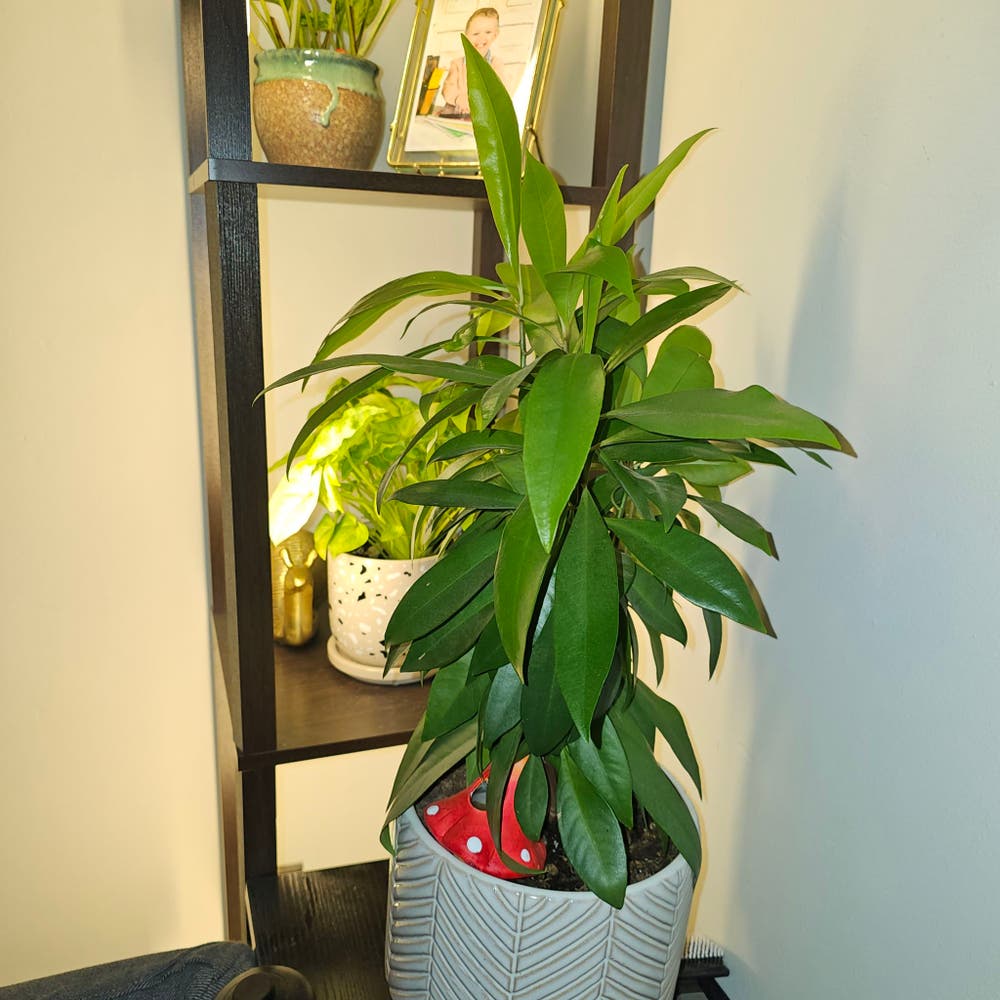
Best Temperature Conditions for Tachibana ☀️
Ardisia tachibana
By the Greg Editorial Team
Nov 26, 2024•5 min read
This article was created with the help of AI so we can cover more plants for you. May contain errors. See one? Report it here.
Unlock the secret to thriving Tachibana plants 🌱 by mastering temperature control for optimal growth and fruiting!
- 🌡️ Optimal temperature for Tachibana is 20°C to 30°C (68°F to 86°F) for growth.
- 🌱 Consistent 25°C (77°F) is crucial for germination and root development in seedlings.
- ❄️🔥 Avoid temperature extremes to prevent stress and ensure healthy Tachibana plants.
Optimal Temperature Range
🌱 Ideal Growing Conditions
The optimal temperature range for Tachibana is between 20°C to 30°C (68°F to 86°F). For germination and early growth, a consistent temperature of 25°C (77°F) is ideal, ensuring robust development.
Maintaining these temperatures is crucial during the fruiting stage as well. Consistent conditions within this range promote healthy fruit development and overall plant vitality.
🌡️ Temperature Fluctuations and Their Impact
Sudden temperature changes can trigger a stress response in Tachibana plants. This stress can interrupt growth and lead to various health issues.
To minimize these interruptions, stable temperatures are essential. Using greenhouses or protective coverings can help maintain a consistent environment, shielding plants from abrupt temperature shifts.
🌿 Ideal Conditions for Growth Stages
Seedling Stage
During the seedling stage, the optimal temperature is 25°C (77°F). This warmth is vital for successful germination and early root development.
Vegetative Stage
In the vegetative stage, the ideal temperature range remains between 20°C to 30°C (68°F to 86°F). Cooler temperatures can slow growth and potentially stunt the plant's development.
Fruiting Stage
For fruit development, the best temperature is between 25°C to 30°C (77°F to 86°F). However, high temperatures can lead to reduced fruit quality and even fruit drop, so monitoring is key.
Understanding these temperature requirements is essential for successful Tachibana cultivation. Next, we'll explore the signs and symptoms of temperature stress and how to manage it effectively.
Temperature Stress
Signs and Symptoms 🌡️
Temperature stress can manifest in various ways, and recognizing these signs early is crucial for plant health.
Cold stress indicators include leaf yellowing, wilting, and leaf drop, which can signal that temperatures are too low for optimal growth.
On the other hand, heat stress indicators often present as leaf scorch, browning edges, and a noticeable reduction in fruit set. These symptoms indicate that the plant is struggling to cope with excessive heat.
Causes of Temperature Stress 🔍
Understanding the causes of temperature stress helps in managing plant health effectively.
Cold tolerance is a significant concern; temperatures dropping below 5°C (41°F) can lead to frost damage, severely impacting plant vitality.
Conversely, heat stress typically occurs when temperatures exceed 35°C (95°F), which can compromise overall plant health and productivity.
Additionally, environmental factors such as poor air circulation and inadequate shading can exacerbate these temperature extremes, making it essential to create a balanced growing environment.
Recovery Strategies 🛠️
When temperature stress occurs, immediate action can make a difference in plant recovery.
For cold stress, covering plants or moving them indoors can provide the necessary warmth to prevent further damage.
In the case of heat stress, providing shade and increasing watering frequency can help the plants regain their strength.
For long-term solutions, consider selecting heat-resistant cultivars and improving soil health to enhance resilience against temperature fluctuations.
By implementing these strategies, you can help your Tachibana thrive despite the challenges posed by temperature stress.
As we explore further, understanding geographic considerations will provide insights into how different climates affect growth and adaptation.
Geographic Considerations
🌍 Adaptation to Different Climates
Tachibana is a resilient plant that can thrive in a variety of climates. Its adaptability is key to successful cultivation, allowing it to flourish in both warm and cooler regions.
To maximize growth, consider implementing strategies tailored to your specific environment. For instance, in hotter climates, providing shade during peak sun hours can help maintain optimal temperatures. Conversely, in cooler areas, using row covers or greenhouses can create a warmer microenvironment for seedlings.
🌦️ Considerations for Growers in Temperate Regions
For those in temperate regions, understanding microclimates is essential. These localized areas can significantly differ from the surrounding environment, offering unique conditions that support Tachibana growth.
Utilizing microclimates can involve planting near structures that absorb heat or using windbreaks to shield plants from harsh winds. Additionally, adjusting planting times to align with seasonal temperature changes can enhance growth potential.
By recognizing and leveraging these geographic nuances, you can create the ideal conditions for your Tachibana plants to thrive, regardless of your climate. This proactive approach not only fosters healthy growth but also enriches your gardening experience.
As we explore further, let’s delve into how seasonal temperature variations can impact your cultivation practices.
Seasonal Temperature Variations
Preparing for Seasonal Shifts 🌡️
As the seasons change, so do the needs of your Tachibana plants. Adjusting your watering and fertilization schedules is crucial to ensure they thrive throughout the year.
In warmer months, increase watering frequency to combat evaporation and support growth. Conversely, during cooler seasons, reduce watering to prevent root rot.
Fertilization should also be tailored to the season. Use a balanced fertilizer in the growing season and scale back during dormancy to avoid nutrient overload.
To protect your plants from temperature extremes, consider using mulch. This helps stabilize soil temperature, retaining moisture and preventing rapid temperature fluctuations.
Windbreaks can also be beneficial. They shield plants from harsh winds, reducing stress and maintaining a more consistent growing environment.
By implementing these seasonal care practices, you can create a nurturing atmosphere for your Tachibana, ensuring they remain healthy and productive year-round.
Next, let’s explore how humidity levels can impact temperature stress and overall plant health.
Brief Mention of Humidity
Impact on Temperature Stress 🌡️
Humidity plays a crucial role in how plants respond to temperature stress. High humidity can amplify the effects of heat, making it feel even hotter for your Tachibana plants, while low humidity can lead to rapid moisture loss, stressing the plant further.
Maintaining balanced humidity levels is essential for temperature stability. When humidity is too high, it can hinder transpiration, leading to overheating. Conversely, low humidity can cause dehydration, making it vital to monitor and adjust humidity to keep your plants thriving.
Incorporating humidity control measures, such as misting or using humidity trays, can help create a more stable environment. This not only supports the plants during temperature fluctuations but also enhances overall growth and fruit quality.
As you care for your Tachibana, remember that humidity is just as important as temperature. By keeping an eye on both, you can ensure your plants remain healthy and productive, ready to flourish in their ideal conditions.
⚠️ Safety First
This content is for general information and may contain errors, omissions, or outdated details. It is not medical, veterinary advice, or an endorsement of therapeutic claims.
Always consult a qualified healthcare professional before using any plant as food, medicine, or supplement.
Never eat any plant (or feed one to pets) without confirming its identity with at least two trusted sources.
If you suspect poisoning, call Poison Control (800) 222-1222, the Pet Poison Helpline (800) 213-6680, or your local emergency service immediately.
Spotted an error? Please report it here.
Keep your Tachibana thriving by maintaining a cozy temperature range 🌡️, and let Greg guide you with tailored reminders to ensure your plant enjoys optimal growth conditions!