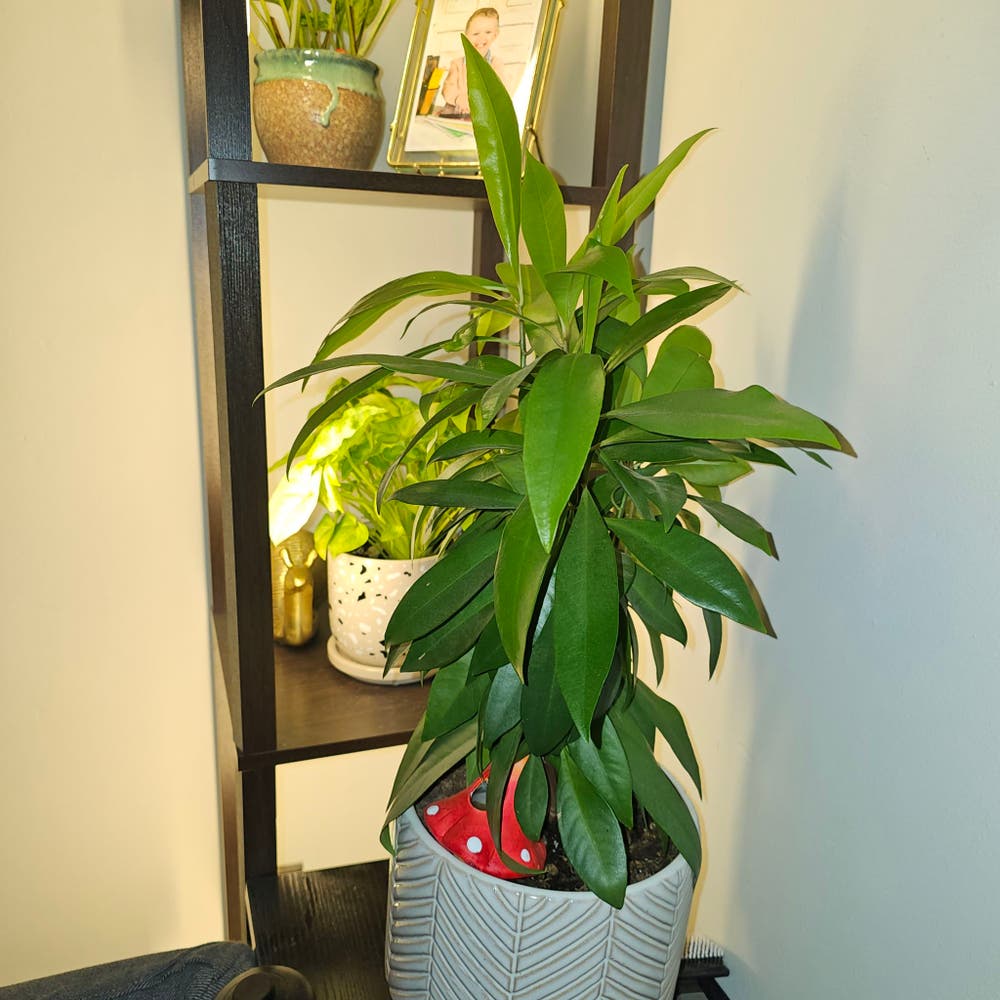
Tachibana: A Perennial Plant
Ardisia tachibana
By the Greg Editorial Team
Nov 26, 2024•6 min read
This article was created with the help of AI so we can cover more plants for you. May contain errors. See one? Report it here.
Transform your garden with Tachibana's resilient lifecycle, ensuring vibrant blooms year after year! 🌸
- 🌱 Tachibana is a resilient perennial, thriving through germination, growth, flowering, and dormancy.
- 🌼 It flowers multiple times annually, unlike annuals that bloom just once.
- 🌍 Soil quality and climate significantly impact Tachibana's growth and longevity.
Lifecycle and Growth Patterns
🌱 Multi-Year Lifecycle
Tachibana exhibits a fascinating multi-year lifecycle that allows it to thrive over several seasons. Its lifecycle stages include germination, vegetative growth, flowering, and dormancy, each playing a crucial role in the plant's overall health.
The germination phase typically lasts a few weeks, followed by a robust vegetative growth period that can extend for several months. Flowering usually occurs in late spring to early summer, while dormancy sets in during the colder months, allowing the plant to conserve energy. This cyclical pattern enables Tachibana to produce flowers and fruit repeatedly, making it a rewarding choice for gardeners.
🌿 Growth Patterns and Regrowth
One of the remarkable features of Tachibana is its ability to regrow each year from its established root system. This resilience is key to its survival and flourishing in various environments.
In spring, you can expect to see new shoots emerging, signaling the start of growth. As summer approaches, the plant focuses on leaf expansion and flowering, creating a vibrant display. By fall, Tachibana prepares for dormancy, conserving energy and storing nutrients in its roots.
Healthy roots are essential for successful regrowth, as they provide the necessary support for nutrient uptake and overall vitality. A strong root system not only enhances the plant's resilience but also ensures a more robust flowering cycle in the following seasons.
As we explore the impact of Tachibana's perennial nature, it's clear that understanding its lifecycle and growth patterns is vital for any gardener looking to cultivate this beautiful plant.
Impact of Perennial Nature
🌸 Effects on Growth and Flowering
Tachibana's status as a perennial plant significantly influences its flowering cycles. Unlike annuals that bloom once, Tachibana can flower multiple times throughout its lifespan, thanks to its robust root system.
Flowering periods typically occur in late spring to early summer, but this can vary based on climate zones. For instance, warmer regions may see earlier blooms, while cooler areas might experience delayed flowering.
The health of Tachibana's root system plays a crucial role in its flowering success. A strong root network not only supports nutrient uptake but also helps the plant withstand environmental stresses, leading to more vibrant blooms.
⏳ Longevity and Lifespan
On average, Tachibana can live for several years, making it a reliable choice for gardeners. However, its longevity is influenced by various factors that can either enhance or hinder its lifespan.
Soil quality and nutrient availability are paramount. Healthy, nutrient-rich soil promotes vigorous growth and flowering.
Watering practices also matter; consistent moisture without overwatering helps maintain root health. Additionally, climate conditions can affect how well Tachibana thrives.
Lastly, effective pest and disease management is essential. Keeping pests at bay and addressing diseases promptly can significantly extend the life of your Tachibana plants.
Understanding these factors can help gardeners maximize the potential of their Tachibana, ensuring a flourishing garden year after year. As we delve deeper into the seasonal changes that affect growth, we’ll explore how to adapt care practices for optimal results.
Dormancy and Seasonal Changes
🌱 Description of Dormancy
Dormancy is a crucial phase for perennial plants like Tachibana. It allows the plant to conserve energy and resources during unfavorable conditions.
Typically, Tachibana enters dormancy in late fall, lasting through winter until early spring. This period is essential for the plant's survival, as it reduces metabolic activity and protects it from harsh weather.
🍃 Seasonal Changes in Growth
Tachibana experiences distinct seasonal growth changes that align with environmental shifts.
🌸 Spring: New Growth and Flowering Initiation
As temperatures rise, Tachibana awakens from dormancy. New shoots emerge, signaling the start of the flowering cycle.
☀️ Summer: Peak Growth and Flowering
During summer, Tachibana reaches its growth zenith. Leaves expand, and vibrant flowers bloom, attracting pollinators and enhancing garden aesthetics.
🍂 Fall: Preparation for Dormancy
In fall, the plant begins to prepare for dormancy. It conserves energy and stores nutrients in its roots, ensuring a strong return in spring.
❄️ Winter: Dormancy and Root System Maintenance
Winter is a time of rest for Tachibana. While above-ground growth halts, the root system remains active, maintaining health and stability.
Understanding these seasonal changes is vital for effective care and maintenance. Adjusting watering and nutrient practices according to the season can significantly enhance Tachibana's growth and flowering success.
As we explore the advantages of Tachibana's perennial nature, we’ll see how these seasonal rhythms benefit gardeners and the plant itself.
Advantages for Gardeners
🌱 Benefits of Reduced Replanting
Tachibana's perennial nature is a game-changer for gardeners. Since it regrows each year, there's no need for the hassle of annual replanting, saving both time and effort.
This not only makes gardening more enjoyable but also cuts down on costs. Fewer plants to buy means more budget for other gardening essentials or even new plants to try out!
🌳 Importance of Established Root Systems
Established root systems are the backbone of Tachibana's resilience. These deep roots allow the plant to access water and nutrients more effectively, ensuring robust growth.
Moreover, healthy root systems play a crucial role in maintaining soil health and stability. They help prevent erosion and improve soil structure, creating a thriving environment for other plants.
In summary, Tachibana's perennial qualities offer significant advantages for gardeners, making it a smart choice for sustainable gardening practices. As we explore further, let's dive into how climate variations can influence Tachibana's behavior and growth patterns.
Variations Across Climate Zones
🌦️ Influence of Climate on Behavior
Tachibana's growth and dormancy are significantly influenced by the climate zone in which it resides. In warmer climates, the plant may experience longer growing seasons, leading to more frequent flowering and fruiting.
Conversely, in cooler regions, Tachibana may enter dormancy earlier and remain inactive for extended periods. This adaptability allows it to thrive in diverse environments, showcasing its resilience.
🌱 Tips for Maximizing Benefits
To optimize Tachibana's growth across various climate zones, gardeners can implement several strategies:
Soil Amendments: Enhance soil quality by adding organic matter to improve nutrient retention. This is especially crucial in sandy or nutrient-poor soils.
Tailored Watering Practices: Adjust watering schedules based on local climate conditions. In arid regions, deep watering is essential, while more humid areas may require less frequent irrigation.
Seasonal Care Adjustments: Monitor temperature and precipitation patterns to inform care routines. For instance, applying mulch in the fall can help insulate roots during winter dormancy.
By understanding and adapting to their specific climate conditions, gardeners can ensure that their Tachibana plants flourish year after year. This proactive approach not only enhances plant health but also enriches the gardening experience.
⚠️ Safety First
This content is for general information and may contain errors, omissions, or outdated details. It is not medical, veterinary advice, or an endorsement of therapeutic claims.
Always consult a qualified healthcare professional before using any plant as food, medicine, or supplement.
Never eat any plant (or feed one to pets) without confirming its identity with at least two trusted sources.
If you suspect poisoning, call Poison Control (800) 222-1222, the Pet Poison Helpline (800) 213-6680, or your local emergency service immediately.
Spotted an error? Please report it here.
Unlock the full potential of your Tachibana with Greg's tailored watering reminders and expert community tips, ensuring vibrant blooms and robust growth every season! 🌼