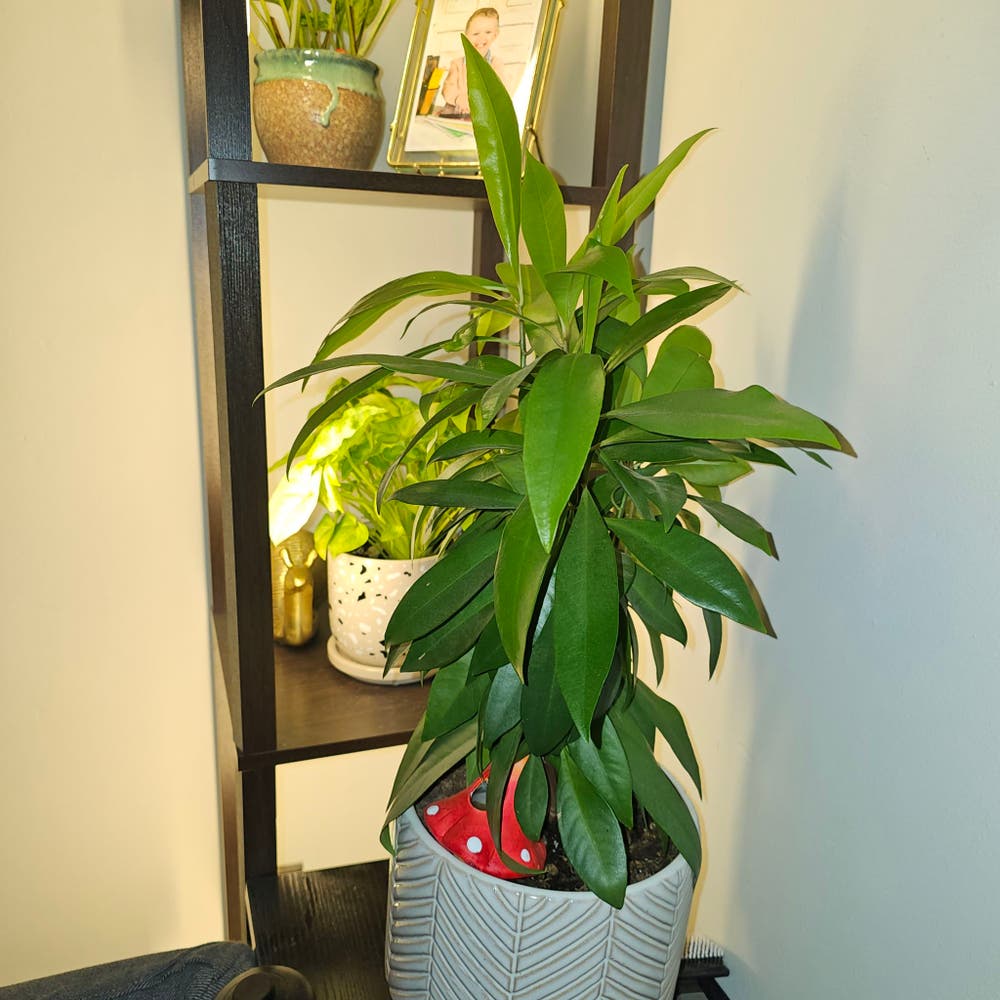
4 Tips for Propagating Your Tachibana
Ardisia tachibana
By the Greg Editorial Team
Nov 26, 2024•6 min read
This article was created with the help of AI so we can cover more plants for you. May contain errors. See one? Report it here.
Master Tachibana propagation 🌱 with expert tips for thriving plants and a flourishing garden! 🌿
- 🌱 Use healthy cuttings of 4-6 inches for successful Tachibana propagation.
- 🌞 Best time for cuttings is late spring to early summer during active growth.
- 💧 Maintain humidity and warmth for optimal rooting and germination success.
Cutting Propagation
🌱 Selecting the Right Cuttings
To successfully propagate your Tachibana, start by selecting cuttings that are 4-6 inches long from healthy, semi-hardwood stems. The best time to take these cuttings is during late spring to early summer when the plant is actively growing.
✂️ Preparing Cuttings for Propagation
Once you've selected your cuttings, remove the lower leaves, leaving just 2-3 leaves at the top. For an extra boost, consider dipping the cut ends in rooting hormone to encourage root development.
🌿 Ideal Conditions for Rooting Cuttings
Creating the right environment is crucial for rooting success. Use a well-draining propagation medium, such as perlite or a mix of peat and sand, to support healthy growth.
🌡️ Maintaining Humidity and Temperature
To maintain humidity, cover your cuttings with a plastic bag or dome. Aim for an optimal temperature range of 70°F to 75°F (21°C to 24°C) to promote effective rooting.
🐛 Common Issues and Troubleshooting
Keep an eye out for signs of rot, such as yellowing leaves and mushy stems. If you notice these symptoms, reduce moisture levels and improve air circulation to help your cuttings recover.
⏳ Addressing Slow Rooting
If your cuttings are slow to root, double-check that you're maintaining the proper temperature and humidity levels. Adjusting these factors can significantly enhance your propagation success.
With these tips, you're well on your way to successfully propagating your Tachibana through cuttings. Next, let’s explore the seed propagation method, which offers another exciting way to grow this beautiful plant.
Seed Propagation
🌱 Collecting and Preparing Seeds
To start propagating your Tachibana, the first step is to collect seeds from ripe fruits. After harvesting, wash and dry the seeds thoroughly to remove any pulp or residue.
Soaking the seeds in water for 24 hours can significantly enhance germination rates. This simple step helps to soften the seed coat, making it easier for the seeds to sprout.
🌼 Germination Process for Tachibana Seeds
Next, plant the seeds about 1/2 inch deep in a seed-starting mix. This depth provides the seeds with enough coverage while allowing them to access light and warmth.
Maintaining consistent moisture and warmth is crucial during this stage. Aim for a temperature around 70°F (21°C) to encourage optimal germination, which typically takes 2-4 weeks.
🌿 Care for Seedlings Post-Germination
Once your seedlings develop 2-3 true leaves, it's time to transplant them into larger pots. This ensures they have enough space to grow and thrive.
Provide bright, indirect light to your seedlings, and be careful not to overwater. Keeping the soil consistently moist will help your young plants establish strong roots without the risk of rot.
With these steps, you're well on your way to successfully propagating Tachibana from seeds. Next, let’s explore the air layering technique, a fascinating method that can yield impressive results.
Air Layering Technique
Step-by-Step Guide to Air Layering Tachibana 🌱
Air layering is a fantastic method for propagating your Tachibana. Start by selecting a healthy branch that shows vigorous growth.
Next, make a circular cut around the stem, removing a ring of bark about 1 inch wide. This step is crucial as it encourages root development.
After that, apply rooting hormone to the exposed area. This hormone boosts the chances of successful rooting.
Now, wrap the area with moist sphagnum moss and cover it with plastic wrap to retain moisture. This creates a mini greenhouse effect that aids in rooting.
Finally, secure the moss with twine or tape to keep everything in place. This ensures that the moss stays moist and the environment remains conducive for root growth.
Best Practices for Successful Air Layering 🌿
To achieve the best results, keep the moss consistently moist throughout the process. This is vital for preventing the cut area from drying out.
Additionally, monitor for root development, which can take anywhere from 4 to 8 weeks. Patience is key here; the roots will form in their own time.
Timing and Environmental Conditions for Air Layering ⏰
The best time to attempt air layering is during late spring to early summer when your Tachibana is actively growing. This timing maximizes the chances of success.
Ideal conditions include warm temperatures and high humidity. These factors create a perfect environment for your new roots to thrive.
With these steps and considerations in mind, you’re well on your way to successfully propagating your Tachibana through air layering. Next, let’s explore grafting techniques that can further enhance your propagation skills.
Grafting Techniques
🌱 Types of Grafting Suitable for Tachibana
Grafting is an art that can significantly enhance your Tachibana plants. Two popular methods are cleft grafting, which works best with larger rootstocks, and whip-and-tongue grafting, ideal for matching sizes of scions and rootstocks.
🛠️ Step-by-Step Grafting Process
To successfully graft your Tachibana, follow these steps:
- Prepare the rootstock: Make a clean cut at a 45-degree angle.
- Cut the scion: Match the angle of the rootstock for a snug fit.
- Join the scion and rootstock: Ensure the cambium layers align for optimal growth.
- Secure the graft: Use grafting tape and seal with grafting wax to protect the area.
🌿 Aftercare for Grafted Plants
After grafting, it's crucial to provide the right care. Keep the grafted area moist and shaded for the first few weeks to encourage healing.
Monitor for signs of growth, and don't forget to remove any suckers from the rootstock. This will help your grafted Tachibana thrive and flourish.
With these grafting techniques, you're well on your way to cultivating robust and fruitful Tachibana plants. Next, let’s explore common mistakes and solutions to ensure your propagation efforts are successful.
Common Mistakes and Solutions
How to Avoid Propagation Failures 🌱
Timing is everything when it comes to propagating your Tachibana. Make sure to align your efforts with the seasonal growth cycles for the best results.
Using clean tools is crucial to prevent disease transmission. A simple step like sterilizing your cutting tools can save you from potential setbacks.
Tips for Improving Propagation Success Rates 🚀
To boost your success rates, maintain optimal environmental conditions. This includes keeping the right temperature, humidity, and light levels for your cuttings and seedlings.
Regularly check on your plants for signs of stress or disease. Early detection can make all the difference in ensuring healthy growth and a thriving propagation process.
With these tips in mind, you’ll be well on your way to successfully propagating your Tachibana. Next, let’s explore the various grafting techniques that can further enhance your gardening skills.
⚠️ Safety First
This content is for general information and may contain errors, omissions, or outdated details. It is not medical, veterinary advice, or an endorsement of therapeutic claims.
Always consult a qualified healthcare professional before using any plant as food, medicine, or supplement.
Never eat any plant (or feed one to pets) without confirming its identity with at least two trusted sources.
If you suspect poisoning, call Poison Control (800) 222-1222, the Pet Poison Helpline (800) 213-6680, or your local emergency service immediately.
Spotted an error? Please report it here.
Propagating your Tachibana can be rewarding 🌿 with Greg's tailored care reminders and expert tips to help your cuttings thrive every step of the way!