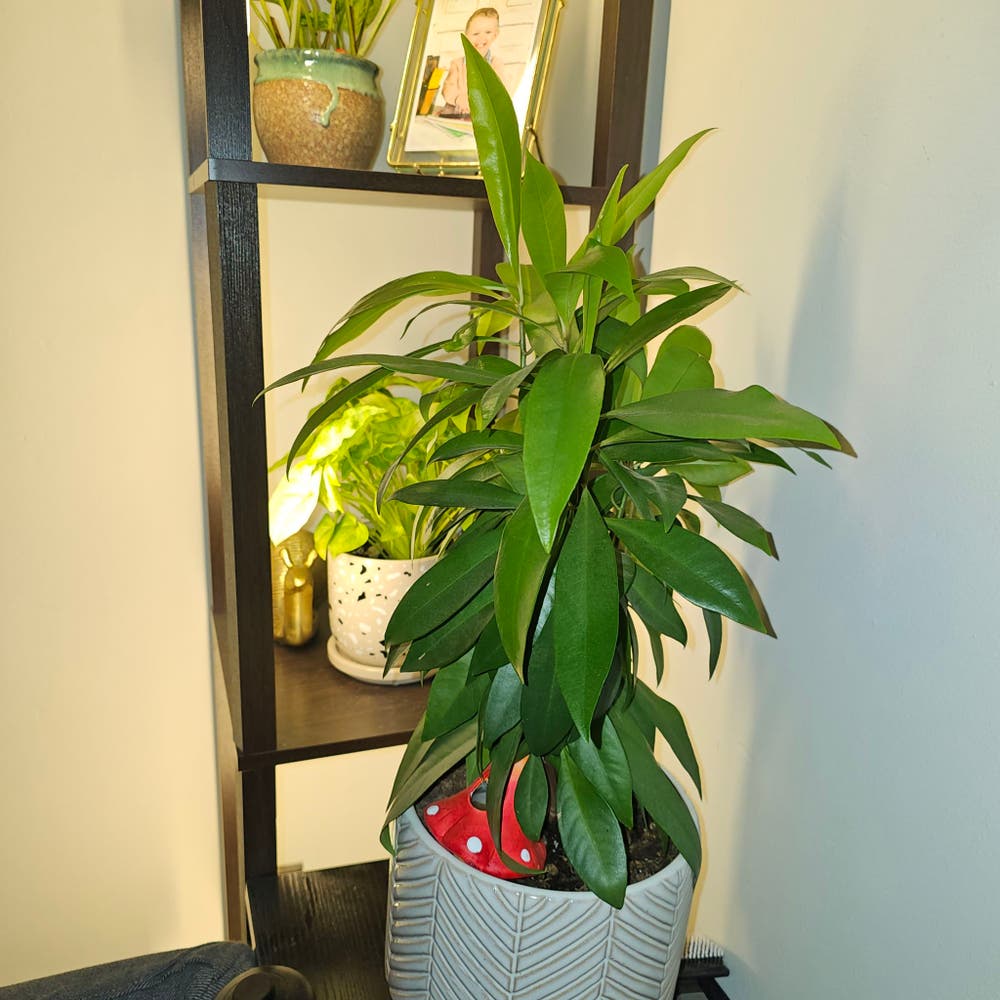
10 Secret Tachibana Landscaping Tricks 🌱
Ardisia tachibana
By the Greg Editorial Team
Nov 26, 2024•5 min read
This article was created with the help of AI so we can cover more plants for you. May contain errors. See one? Report it here.
Elevate your garden's beauty and charm with strategic focal points and vibrant seasonal displays! 🌼
- 🌼 Strategic focal points enhance garden appeal, adapting to any style.
- 🌱 Maintain 3-5 feet spacing between plants to prevent overcrowding.
- 🪴 Container gardening offers mobility, perfect for seasonal changes and events.
Focal Point Design
Placement and Scale 🌱
Creating a focal point in your garden is all about strategic placement. Position your chosen plants centrally in garden beds or as a standalone feature in front yards to draw the eye.
For optimal visual impact, maintain a spacing of 3-5 feet between each focal point. This distance allows each plant to shine without overcrowding, ensuring that your garden feels open and inviting.
Visual Impact 🌼
The fragrant flowers and lush foliage of your focal plants create a stunning centerpiece that captivates attention. As the seasons change, so too will the colors of the foliage, enhancing the year-round appeal of your garden.
Adaptation for Styles 🎨
Focal points are versatile and can adapt to various garden styles. Whether you're designing a traditional Japanese garden, a modern minimalist space, or a vibrant tropical landscape, these plants fit seamlessly into the aesthetic.
They also work well in both small urban gardens and expansive rural settings. No matter the size of your space, a well-placed focal point can transform your garden into a visual masterpiece.
With these tips, you're ready to create a stunning focal point that enhances your garden's beauty. Next, let’s explore container design ideas to further elevate your outdoor space.
Container Design Ideas
Implementation in Various Sizes 🌱
When it comes to container gardening, size matters. For patios, opt for large, decorative pots with a diameter of 14-18 inches to make a bold statement.
Grouping smaller containers can create a dynamic visual effect. This approach allows for flexibility in design and can add layers of interest to your space.
Benefits of Mobility 🚚
One of the greatest advantages of container gardening is mobility. You can easily rearrange your plants for seasonal changes or special occasions, keeping your garden fresh and exciting.
This flexibility makes container gardening ideal for renters or those with limited outdoor space. You can adapt your setup without the commitment of in-ground planting.
Suggestions for Integration 🪴
To enhance your outdoor experience, create a cozy patio nook by placing containers near seating areas. This invites relaxation and enjoyment of your garden.
Incorporating lighting can further highlight your plants' beauty during evening gatherings. Soft illumination not only showcases your container plants but also creates a warm, inviting atmosphere.
As you explore container design, consider how these ideas can transform your space. Next, we’ll delve into the art of Feng Shui integration to enhance your garden's energy.
Feng Shui Integration
Positioning for Positive Energy 🌱
To harness the power of Feng Shui, position your Tachibana plants in the southeast corner of your garden. This placement symbolizes prosperity and abundance, creating a vibrant energy flow.
Ensure these plants are visible from entry points. This visibility enhances the welcoming atmosphere of your space, inviting positive energy into your home.
Visual Harmony 🎨
Creating symmetry in your garden layout is essential for visual harmony. Balance your Tachibana with other ornamental plants to achieve a cohesive look.
Incorporate natural materials like stones or wood to complement the aesthetics. These elements not only enhance the beauty of your garden but also promote a sense of tranquility.
Adaptations for Space 🏡
In small gardens, use Tachibana as a focal point surrounded by low-maintenance plants. This strategy draws attention while keeping upkeep manageable.
For larger spaces, consider creating themed areas with pathways and seating. This approach allows you to enjoy the beauty of your plants while providing inviting spaces for relaxation and contemplation.
Transitioning from Feng Shui, let’s explore how to create stunning border and edge designs that define your garden spaces.
Border and Edge Design
Creating Defined Spaces 🌿
Borders are essential for outlining garden beds or pathways, adding structure to your landscape. For effective border definition, space plants 2-3 feet apart to create a cohesive look.
Enhancing Pathways 🌸
Planting along walkways not only beautifies your garden but also creates a fragrant, inviting atmosphere. Consider combining these plants with ground cover varieties for a layered, textured effect that draws the eye.
Customization for Themes 🎨
You can easily adapt borders to fit various garden styles, whether rustic, contemporary, or zen. Using contrasting colors and textures will enhance visual interest, making your garden a unique reflection of your personal taste.
With these border and edge design tips, your garden will not only look organized but also feel inviting. Next, let’s explore how to create stunning seasonal displays that keep your garden vibrant year-round.
Seasonal Displays
Ideas for Color and Interest 🌼
Rotating seasonal flowers is a fantastic way to keep your garden vibrant year-round. By incorporating companion plants that bloom at different times, you can ensure a continuous splash of color.
Rotating Plantings 🌱
To maximize aesthetic impact, plan a seasonal calendar for your planting and harvesting. This approach not only enhances visual appeal but also allows you to enjoy the fruits of your labor during harvest seasons.
Suggestions for Integration 🌸
Pairing seasonal flowers with spring bulbs, summer annuals, and fall perennials creates a cohesive look that transitions beautifully throughout the year. Additionally, using plants with contrasting colors can highlight unique features and add depth to your garden design.
By thoughtfully integrating these seasonal displays, you can create a dynamic and engaging outdoor space that evolves with the seasons. This not only enhances your garden's beauty but also enriches your gardening experience.
⚠️ Safety First
This content is for general information and may contain errors, omissions, or outdated details. It is not medical, veterinary advice, or an endorsement of therapeutic claims.
Always consult a qualified healthcare professional before using any plant as food, medicine, or supplement.
Never eat any plant (or feed one to pets) without confirming its identity with at least two trusted sources.
If you suspect poisoning, call Poison Control (800) 222-1222, the Pet Poison Helpline (800) 213-6680, or your local emergency service immediately.
Spotted an error? Please report it here.
Elevate your garden's charm with these landscaping secrets 🌿, and let Greg guide you with tailored care reminders to keep your Tachibana and other plants thriving beautifully all year round!