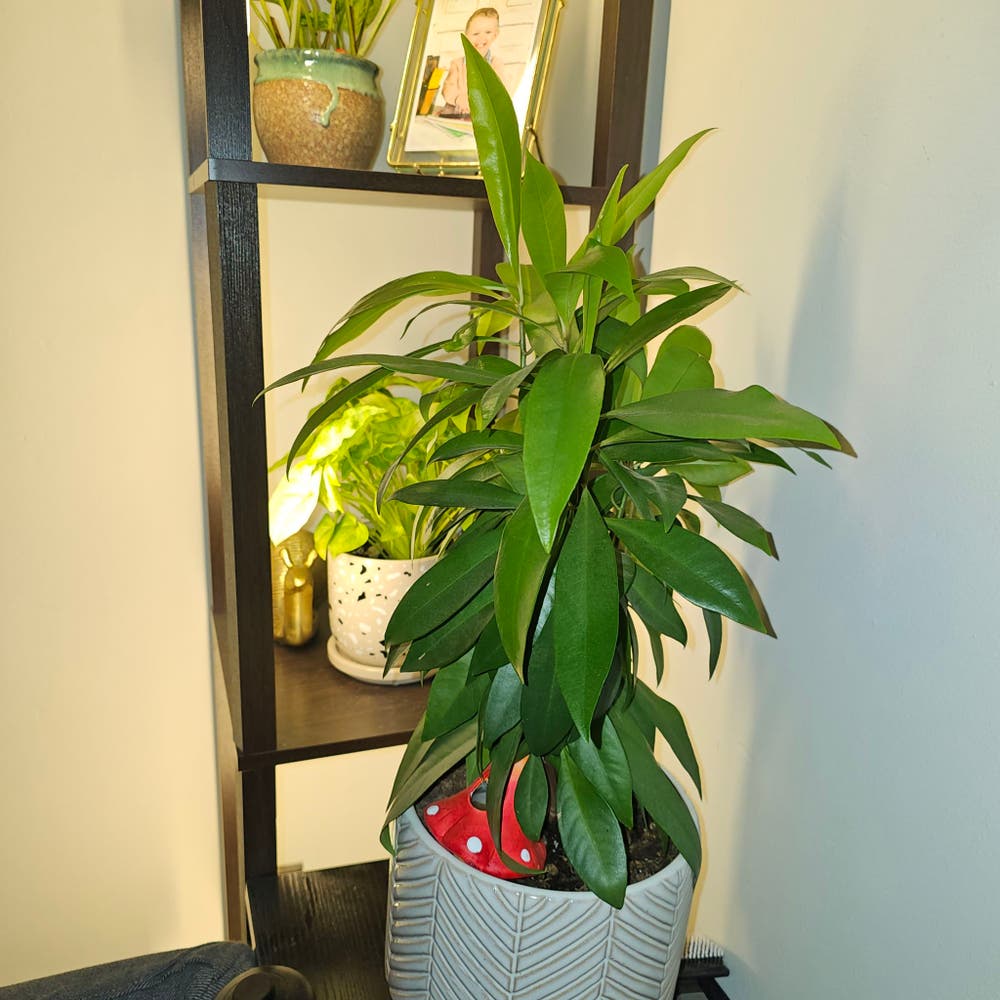
Everything You Need to Know to Grow Tachibana 🍊
Ardisia tachibana
By the Greg Editorial Team
Nov 26, 2024•6 min read
This article was created with the help of AI so we can cover more plants for you. May contain errors. See one? Report it here.
Cultivate a thriving Tachibana garden with essential tips on site selection and soil care! 🌱
- 🌞 Tachibana needs 6-8 hours of sunlight daily for optimal growth.
- 🌱 Use well-drained, slightly acidic soil for healthy Tachibana planting.
- 💧 Water weekly and monitor moisture to prevent overwatering or underwatering issues.
Site Selection and Soil Preparation
🌍 Choosing the Right Location
Selecting the perfect spot for your Tachibana is crucial for its growth. Aim for full sun exposure, ensuring your plant receives at least 6-8 hours of sunlight daily to thrive and produce fruit.
Additionally, consider wind protection. A sheltered area will help prevent damage to branches and fruit, allowing your Tachibana to flourish without unnecessary stress.
🌱 Soil Requirements and Preparation Techniques
The right soil is essential for healthy Tachibana growth. Look for well-drained, slightly acidic soil that is rich in organic matter to provide the best foundation.
To prepare your soil, follow these steps:
- Clear the planting area of weeds and debris to create a clean slate.
- Amend the soil with compost or well-rotted manure to boost fertility.
- Test the soil pH, aiming for a range of 5.5 to 6.5 for optimal growth.
💧 pH Levels and Drainage Considerations
Proper drainage is vital for preventing root rot and promoting healthy root development. Without it, your Tachibana may struggle to thrive.
To improve drainage, consider these techniques:
- Incorporate perlite or sand into your soil mix to enhance aeration.
- If you're dealing with heavy clay soils, creating raised beds can significantly improve drainage and root health.
By focusing on site selection and soil preparation, you're setting your Tachibana up for success. Next, let's explore the best planting techniques to ensure a strong start for your new plants.
Planting Techniques
Best Practices for Planting 🌱
Timing is crucial when planting Tachibana. The ideal time is in spring, right after the last frost, ensuring the young plants have a warm start.
To plant, follow these steps:
- Dig a hole that is twice the width of the root ball and the same depth.
- Position the plant in the hole, making sure the root collar is level with the soil surface.
- Backfill the hole with soil and water thoroughly to eliminate air pockets.
Spacing and Depth Considerations 📏
Proper spacing is essential for healthy growth. For ground planting, maintain a distance of 3-4 meters (10-13 feet) between each plant to allow ample room for mature growth.
If you’re opting for container planting, ensure the pot has at least 30 cm (12 inches) of soil depth. This depth is vital for robust root development.
Container vs. Ground Planting 🪴
Container growing offers unique advantages. It allows for mobility, making it easy to reposition plants for optimal sunlight exposure.
Additionally, container gardening gives you greater control over soil quality and drainage. When selecting a container, choose one that is at least 45 cm (18 inches) in diameter to provide adequate space for the roots to thrive.
With these planting techniques in mind, you’re well on your way to establishing a thriving Tachibana garden. Next, let’s explore the essential aspects of watering and fertilizing to keep your plants healthy and productive.
Watering and Fertilizing
💧 Watering Schedule and Techniques
Watering your Tachibana is crucial for its growth. During dry periods, aim to water weekly, adjusting based on rainfall to keep the soil moist but not waterlogged.
For effective watering, consider using a drip irrigation system. This method delivers water directly to the roots, minimizing moisture on the foliage and reducing the risk of fungal diseases.
🌱 Types of Fertilizers
Choosing the right fertilizer can make a significant difference in your plant's health. Balanced NPK fertilizers, such as those with a ratio of 10-10-10 or 14-14-14, are recommended for optimal growth.
Apply fertilizer every 6-8 weeks during the growing season, which spans from spring to early fall. This schedule helps ensure your Tachibana receives the nutrients it needs to thrive.
🚰 Signs of Overwatering or Underwatering
Monitoring your plant for signs of water stress is essential. Overwatering can lead to yellowing leaves, wilting, and even root rot, while underwatering may cause leaf drop, dry and brittle leaves, and stunted growth.
Being aware of these symptoms allows you to adjust your watering practices promptly. This proactive approach will keep your Tachibana healthy and productive.
As you refine your watering and fertilizing techniques, you'll be better prepared for the next steps in maintaining your Tachibana's health. Let's explore the importance of pruning and maintenance to ensure your plant continues to flourish.
Pruning and Maintenance
Importance of Pruning 🌳
Pruning is essential for tachibana trees as it enhances air circulation and light penetration. This practice not only encourages bushier growth but also significantly increases fruit yield.
Techniques for Effective Pruning ✂️
Timing is crucial; prune your tachibana in late winter or early spring, just before new growth begins. Follow these steps for effective pruning:
- Remove dead or diseased branches to prevent the spread of disease.
- Thin out crowded areas to improve airflow and reduce competition for nutrients.
- Shape the tree to maintain a balanced structure, promoting healthy growth.
Ongoing Care Routine 🧑🌾
Regular inspections for pests and diseases are vital to keep your tachibana healthy.
- Mulching: Apply organic mulch around the base to retain moisture and suppress weeds.
- Seasonal Care: Adjust your watering and fertilizing routine based on seasonal changes to meet the tree's evolving needs.
By staying proactive with pruning and maintenance, you’ll ensure your tachibana thrives and produces abundant fruit. Next, let’s explore common challenges and solutions to keep your tree in top shape.
Common Challenges and Solutions
🐛 Pests and Diseases
Pests can pose significant challenges when growing Tachibana.
- Aphids: These tiny insects can cause curled leaves and leave a sticky residue behind.
- Scale insects: Look for raised bumps on stems and leaves, which indicate their presence.
To combat these pests, consider using insecticidal soap or neem oil. These treatments are effective and environmentally friendly, helping to keep your plants healthy.
🌍 Environmental Challenges
Tachibana trees are sensitive to their environment, making it crucial to monitor conditions closely.
- Temperature sensitivity: Protect your plants from frost and extreme heat to ensure their survival.
- Humidity preferences: Maintain moderate humidity levels; misting during dry spells can help keep your plants thriving.
By being proactive about these environmental factors, you can create a more stable growing environment for your Tachibana.
🛠️ Troubleshooting Growth Issues
Sometimes, even with the best care, growth issues can arise.
- Yellowing leaves: This often signals nutrient deficiencies or overwatering.
- Poor fruit production: Ensure your plants receive adequate sunlight and proper fertilization to encourage fruiting.
- Stunted growth: Assess soil quality and drainage; amending these can lead to healthier plants.
By addressing these common issues promptly, you can maintain the health and productivity of your Tachibana trees.
With these challenges in mind, let's explore the importance of pruning and maintenance to keep your plants flourishing.
⚠️ Safety First
This content is for general information and may contain errors, omissions, or outdated details. It is not medical, veterinary advice, or an endorsement of therapeutic claims.
Always consult a qualified healthcare professional before using any plant as food, medicine, or supplement.
Never eat any plant (or feed one to pets) without confirming its identity with at least two trusted sources.
If you suspect poisoning, call Poison Control (800) 222-1222, the Pet Poison Helpline (800) 213-6680, or your local emergency service immediately.
Spotted an error? Please report it here.
Grow your Tachibana like a pro 🌱 with Greg's personalized watering reminders and expert care tips to ensure a flourishing garden!