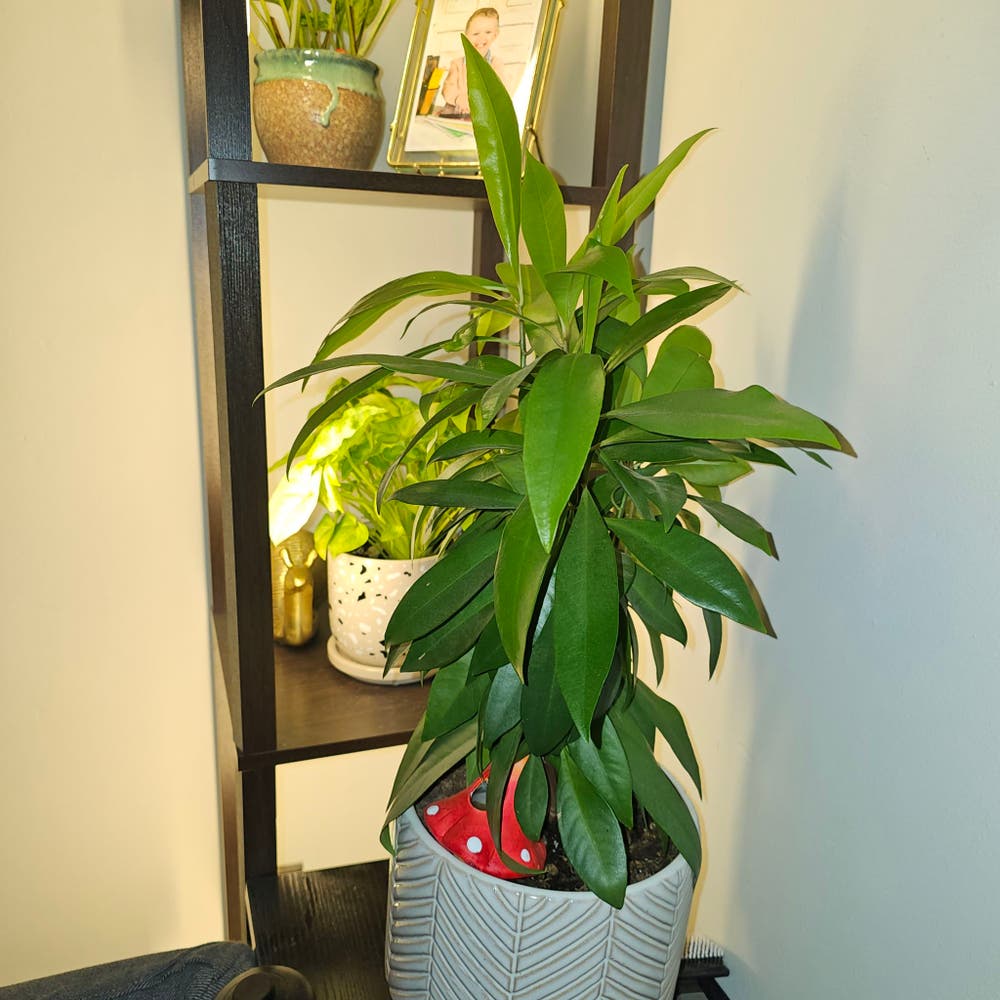
Tachibana Roots 101
Ardisia tachibana
By the Greg Editorial Team
Nov 26, 2024•7 min read
This article was created with the help of AI so we can cover more plants for you. May contain errors. See one? Report it here.
Cultivate thriving plants by mastering root health and care techniques for vibrant growth! 🌱🌍
- 🌱 Tachibana roots enhance nutrient uptake and adapt to various soil conditions.
- 💧 Consistent moisture is vital; avoid overwatering to prevent root rot.
- 🌿 Healthy roots are crucial for successful propagation and plant growth.
Type of Root System
Fibrous Roots 🌱
Fibrous roots are characterized by their thin, branching structure that spreads out from the base of the plant. Unlike taproot systems, which feature a single, dominant root, fibrous roots offer significant advantages in nutrient uptake and soil stabilization.
Specific Characteristics 🌍
One of the standout features of fibrous roots is their adaptability to various soil conditions. They can thrive in different textures and moisture levels, making them versatile for diverse environments.
Additionally, fibrous roots exhibit remarkable resilience to drought. They employ mechanisms that allow them to withstand dry periods, ensuring the plant's survival even in challenging conditions.
Variations among common varieties can slightly alter root characteristics. Understanding these differences can help gardeners choose the best plants for their specific soil and climate conditions.
As we delve deeper into the topic of root systems, it's essential to explore how root depth, spread, and growth patterns further influence plant health and development.
Root Depth, Spread, and Growth Patterns
Typical Root Depth 🌱
Tachibana roots typically reach an average depth of 12 to 24 inches. This depth can vary based on soil conditions and moisture availability, impacting the plant's overall health.
Spread in Different Soil Types 🌍
The type of soil significantly influences root spread. In sandy soils, roots tend to spread wider, often reaching up to 3 feet in diameter, which enhances drainage and nutrient access.
Growth Patterns 📈
Root growth is most active during the spring and summer months. As temperatures drop in fall and winter, roots enter a dormant phase, conserving energy until the next growing season.
Environmental Influences 🌦️
Temperature and moisture levels play crucial roles in root development. Adequate moisture encourages robust growth, while extreme conditions can hinder root expansion and health.
Understanding these aspects of root depth, spread, and growth patterns is essential for fostering healthy Tachibana plants. With this knowledge, you can better support their growth and prepare for the next section on watering, fertilizing, and transplanting.
Watering, Fertilizing, and Transplanting
💧 Watering Needs
Maintaining consistent moisture is crucial for healthy Tachibana roots. However, be cautious of overwatering, as it can lead to root rot.
Signs of overwatering include yellowing leaves and mushy roots. If you notice these symptoms, it’s time to reassess your watering routine.
🌱 Fertilization Techniques
For optimal root growth, use balanced NPK fertilizers. These provide essential nutrients that support robust root systems.
Timing is key when fertilizing. Apply fertilizers during the active growth periods in spring and summer for the best results.
🌳 Transplanting Best Practices
Transplanting at the right time minimizes stress on the plant. Early spring or fall are ideal seasons for this process.
Follow these steps for successful transplanting:
- Prepare the new planting hole, making it twice the width of the root ball.
- Water the plant thoroughly before removal to ease the transition.
- Gently loosen the roots and place the plant in the new hole.
- Backfill with soil and water well to settle the roots.
By following these guidelines, you can ensure your Tachibana thrives in its new environment. Next, let’s explore common root-related issues that may arise during growth.
Common Root-Related Issues
🕵️ Identifying Root Rot
Root rot can be a plant's worst nightmare. Look for symptoms like wilting, yellowing leaves, and mushy roots, which signal that your plant is in distress.
The primary culprits behind root rot are overwatering and poor drainage conditions. If your plant is sitting in soggy soil, it’s a recipe for disaster.
🐛 Solutions for Pest Infestations
Pests can wreak havoc on your plant's root system. Common offenders include nematodes and root aphids, which can lead to significant damage if left unchecked.
To combat these pests, consider using organic pesticides or introducing beneficial nematodes. These methods can help restore balance to your plant's ecosystem.
🛡️ Preventative Measures
Prevention is always better than cure. Ensuring proper drainage is crucial; using well-draining soil mixes can make a world of difference.
Additionally, regular monitoring of your plants is essential. Keep an eye out for signs of stress or disease to catch issues before they escalate.
By staying proactive, you can maintain a healthy root system and promote vibrant plant growth. Next, let’s explore the differences between healthy and unhealthy roots to further enhance your gardening knowledge.
Healthy vs. Unhealthy Roots
🌱 Visual Cues of Healthy Roots
Healthy roots are a gardener's pride. Look for firm, white or light tan roots that exude vitality and freshness.
These roots indicate a thriving root system, often accompanied by robust growth and vibrant foliage above ground. When your plant is flourishing, it’s a clear sign that its roots are doing their job well.
🚫 Signs of Unhealthy Roots
Unhealthy roots tell a different story. Symptoms include dark, mushy roots that signal distress, often accompanied by a foul smell.
These issues lead to stunted growth and can cause an overall decline in plant health and vigor. If you notice these signs, it’s time to take action to revive your plant.
Understanding the difference between healthy and unhealthy roots is crucial for maintaining plant vitality. By keeping an eye on these indicators, you can ensure your plants stay robust and flourishing.
Next, let’s explore rootbound plants and how to recognize and remedy this common issue.
Rootbound Plants
Definition and Causes 🌱
Rootbound plants occur when roots grow in circles around the pot, restricting their growth. This situation often arises from using pots that are too small or neglecting to repot the plant as it matures.
Recognizing Rootbound Conditions 🔍
Identifying a rootbound plant is crucial for its health. Look for signs such as roots poking out of drainage holes and a noticeable slowdown in growth.
Additionally, a pot-bound appearance and smaller leaf size can indicate that the plant is struggling for space.
Remedying Rootbound Situations 🛠️
If you discover your plant is rootbound, don’t worry! Here’s how to remedy the situation:
- Carefully remove the plant from its pot. Gently pull it out to avoid damaging the roots.
- Gently loosen and trim circling roots. This helps encourage new growth and prevents further circling.
- Repot in a larger container with fresh soil. Choose a pot that allows for growth and provides adequate drainage.
- Water thoroughly and monitor for recovery. Keep an eye on your plant as it adjusts to its new home.
By addressing rootbound conditions promptly, you can ensure your plant thrives and continues to grow beautifully. Next, let’s explore the importance of healthy roots in propagation and division.
Propagation and Division
Importance of Root Health 🌱
Healthy roots are crucial for successful propagation. They provide the necessary foundation for vigorous new growth, ensuring that your plants thrive in their new environments.
Techniques for Dividing Without Damaging Roots ✂️
When dividing plants, timing is everything. Aim to do this during the active growing season, typically in spring or early summer, to minimize stress on the plant.
Best Practices for Division
- Choose the Right Time: Spring or early summer is ideal.
- Gentle Handling: Carefully separate the plant into sections without tearing the roots.
Tools Needed
Using clean, sharp shears is essential for cutting roots effectively. This prevents damage and reduces the risk of disease.
Maintaining Root Health During Propagation 🌿
Soil preparation plays a vital role in root health. Use sterile, well-draining mixes to create an optimal environment for new roots to establish.
Watering Techniques
Keep the soil consistently moist but not soggy. This balance helps prevent root rot while ensuring the plant has enough moisture to support growth.
By following these guidelines, you can ensure that your propagation efforts are successful, leading to healthy, vibrant plants. Next, we'll explore how to identify and address common root-related issues that may arise during the growing process.
⚠️ Safety First
This content is for general information and may contain errors, omissions, or outdated details. It is not medical, veterinary advice, or an endorsement of therapeutic claims.
Always consult a qualified healthcare professional before using any plant as food, medicine, or supplement.
Never eat any plant (or feed one to pets) without confirming its identity with at least two trusted sources.
If you suspect poisoning, call Poison Control (800) 222-1222, the Pet Poison Helpline (800) 213-6680, or your local emergency service immediately.
Spotted an error? Please report it here.
Unlock the secrets of Tachibana roots 🌱 with Greg's personalized watering reminders and expert care tips to keep your plants thriving and resilient in any environment!